Giardia in Dogs: Symptoms and Treatment

This is general information, not a diagnosis. The Merck Veterinary Manual dog-owner pages are a reliable place to read more before you talk with your veterinarian.
Giardia is a microscopic parasite that can cause significant health issues in dogs. This article explores the symptoms, diagnosis, and treatment options for Giardia in dogs, helping pet owners understand how to protect their furry companions from this common parasitic infection.
What is Giardia in Dogs?
Giardia is a protozoan parasite that lives in the intestines of infected animals, including dogs. The parasite exists in two forms: the active trophozoite and the cyst. The cyst form is the infectious stage and can survive for extended periods in the environment, making it highly transmissible.
How Do Dogs Get Giardia?
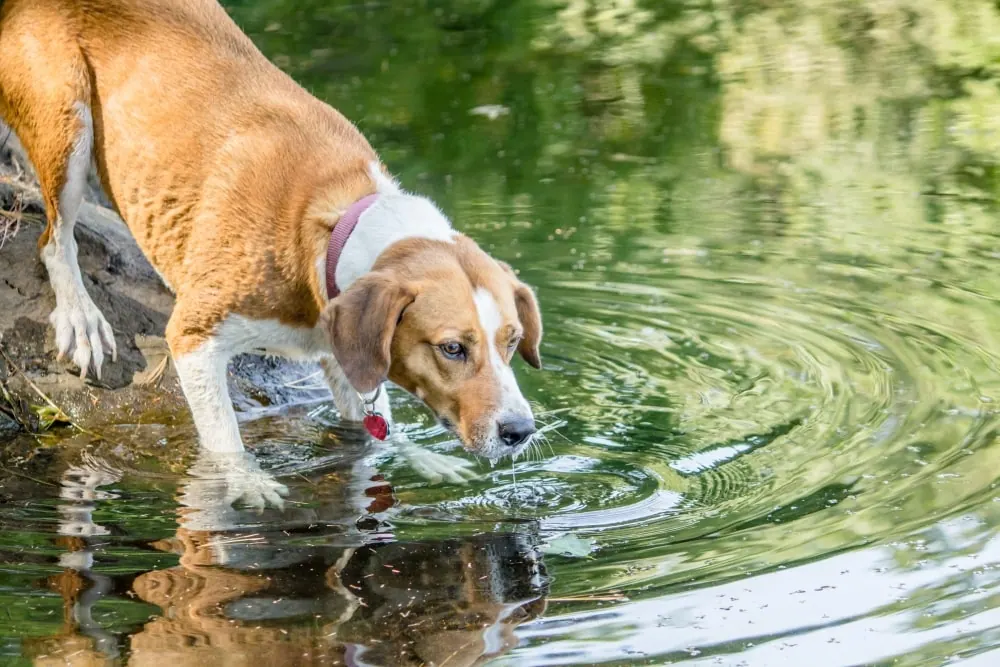
Dogs typically contract Giardia through the ingestion of contaminated water, food, or feces. This can occur when they drink from puddles, lakes, or streams, or when they come into contact with contaminated surfaces. The cysts are resistant to harsh environmental conditions, which makes controlling the spread of the infection challenging.
Symptoms of Giardia in Dogs
The symptoms of Giardia in dogs can vary widely. Some dogs may be asymptomatic carriers, while others may exhibit severe gastrointestinal distress. Common symptoms include:
- Diarrhea: One of the most prevalent signs of Giardia infection is persistent, foul-smelling diarrhea, which may be intermittent or chronic. The stool may appear soft, greasy, or frothy and often contains mucus. Learn more about diarrhea in dogs.
- Weight Loss: Infected dogs may experience weight loss due to malabsorption of nutrients and decreased appetite.
- Vomiting: Some dogs may vomit occasionally, although this is less common than diarrhea.
- Lethargy: Infected dogs might exhibit a lack of energy or enthusiasm for normal activities.
- Dehydration: Due to chronic diarrhea, dogs can become dehydrated, which can lead to further complications if not addressed promptly.
Diagnosing Giardia in Dogs
Diagnosing Giardia can be challenging due to the intermittent shedding of cysts and the similarity of symptoms to other gastrointestinal disorders. Veterinarians typically use one or more of the following methods to diagnose Giardia:
- Fecal Floatation: This method involves examining a stool sample under a microscope to identify Giardia cysts. However, this test may not always detect the parasite due to intermittent shedding.
- ELISA Test: The Enzyme-Linked Immunosorbent Assay (ELISA) test detects Giardia antigens in a stool sample and is more reliable than fecal floatation.
- Direct Smear: A fresh stool sample is examined under a microscope to identify the motile trophozoites. This method is less commonly used due to the difficulty in identifying the active form.
Treatment for Giardia in Dogs
Treating Giardia in dogs involves medication, hygiene practices, and supportive care. The primary goals are to eliminate the parasite and manage symptoms to ensure the dog returns to good health.
- Medication: The most commonly prescribed medications for Giardia are metronidazole and fenbendazole. These antiparasitic drugs are effective in eliminating the parasite and are usually administered for several days. In some cases, a combination of both drugs may be used.
- Hygiene Practices: To prevent reinfection, it is essential to maintain good hygiene. This includes cleaning and disinfecting the dog’s living environment, washing bedding and toys, and practicing good hand hygiene after handling the dog or cleaning up after them.
- Supportive Care: Providing a balanced diet and ensuring the dog stays hydrated are crucial during treatment. In cases of severe dehydration, intravenous fluids may be necessary.
Preventing Giardia in Dogs
Preventing Giardia involves reducing the risk of exposure to contaminated water and environments. Here are some practical tips for prevention:
- Avoid Contaminated Water: Prevent your dog from drinking from puddles, lakes, or streams, especially in areas known to be contaminated.
- Clean Living Areas: Regularly clean and disinfect your dog’s living areas, including kennels, bedding, and toys.
- Practice Good Hygiene: Always wash your hands after handling your dog or cleaning up after them. This reduces the risk of spreading the infection to other pets or humans.
- Routine Vet Visits: Regular veterinary check-ups can help detect and treat Giardia early, preventing more severe health issues.
When to See a Veterinarian
If you suspect your dog has Giardia or if your dog exhibits any of the symptoms mentioned above, it is crucial to seek veterinary care promptly. Early diagnosis and treatment can prevent complications and ensure a quicker recovery. Chronic diarrhea, weight loss, and lethargy are signs that should not be ignored, as they can indicate other serious health issues as well.
Giardia is a common parasitic infection that can cause significant discomfort and health issues in dogs. By understanding the symptoms, seeking prompt veterinary care, and taking preventive measures, you can protect your furry friend from this parasite. Maintaining good hygiene, avoiding contaminated water sources, and regular vet visits are key to keeping your dog healthy and Giardia-free.


