10 Reasons to Raise a Baby Around a Dog
For general pet-health questions, the AVMA pet-owner resources are a reliable starting point, and your veterinarian should guide individual decisions.
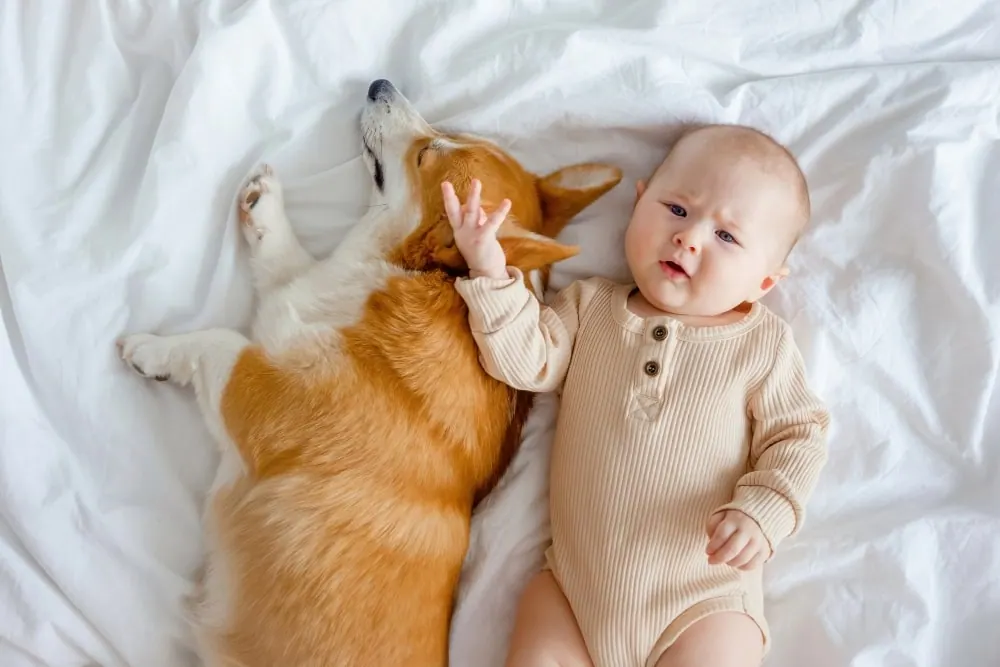
Raising a baby around a dog can be one of the most rewarding decisions a family can make. The relationship between a child and a pet can provide a wide range of benefits that extend well beyond simple companionship. From fostering emotional growth to encouraging physical activity, the presence of a dog in your baby’s early years can play a crucial role in their overall development.
Here are ten compelling reasons why you should consider raising your baby around a dog:
1. Emotional Development
The emotional bond that forms between a child and a dog is built on the foundations of love, trust, and companionship. Dogs are known for their unconditional affection and can provide a comforting, calming presence for babies and young children. This interaction helps to develop a child’s capacity for empathy by teaching them to recognize and respond to the feelings of others. Additionally, having a loyal companion during the early, formative years can help mitigate feelings of loneliness and anxiety, fostering a sense of security that contributes to healthier emotional development.
2. Social Skills
Dogs are great facilitators for social interaction. A child’s early interactions with a dog, such as petting, playing, and even talking to the dog, involve key social behaviors like gentle touching, observing cues, and waiting turns. These interactions can translate into better interpersonal skills with humans. Moreover, the presence of a dog in public settings such as parks can lead to interactions with other dog owners and their children, providing further socialization opportunities for the child.
3. Health Benefits
The hygiene hypothesis suggests that early exposure to certain microbes helps to train the immune system to ward off allergies and asthma. A dog in the house brings a variety of microbes from the outside environment, which can help strengthen a child’s immune system. Furthermore, studies have suggested that children who grow up with dogs have a lower risk of developing certain types of allergies and asthma than those who do not have pets during childhood.
4. Physical Activity
Physical development is crucial in early childhood, and dogs can be great motivators for physical activity. Regular walks, runs, and playtime with a dog can help children improve their overall fitness, coordination, and strength. These activities are not only good for the child’s health but also for their cognitive development, as physical activity has been linked to improvements in attention, memory, and problem-solving skills.
5. Responsibility and Compassion
Caring for a dog can teach a child about responsibility from a young age. Simple tasks such as feeding, brushing, or even participating in the dog’s training sessions with adult supervision can help foster a sense of duty and caring. These experiences teach children about the importance of looking after another living being, which can deepen their empathy and understanding of the feelings and needs of others.
6. Stress Reduction
Interacting with dogs has been shown to reduce stress and anxiety in children. The act of petting a dog can increase levels of oxytocin, a hormone associated with bonding and affection, while decreasing production of cortisol, a stress hormone. This biochemical response can create a soothing effect and help children feel more relaxed and secure.
7. Increased Confidence
Children often feel a sense of achievement and pride from successfully teaching a dog new tricks or taking responsibility for their care. This boosts their self-esteem and confidence. For children who are naturally shy or reticent, a dog can serve as a non-judgmental friend and confident, encouraging more assertive communication and behavior.
8. Learning Opportunities
Dogs can also contribute to cognitive and language development. As children interact with dogs, they often engage in “pretend play” or talk to them as if they are human participants. This type of play aids in developing communication skills and can help in expanding a child’s vocabulary. Additionally, figuring out how to get a dog to follow commands can enhance problem-solving abilities.
9. Entertainment and Fun
Dogs are naturally playful and can bring a lot of joy and entertainment to a household. Their antics can provide laughter and light-heartedness, which are important for a child’s emotional health. The fun aspect of having a dog also encourages a child to be more engaged and joyful, which enriches their daily life and overall well-being.
10. Lifelong Bond
The relationship between a child and a dog can be one of the most significant relationships in a child’s life. This bond can teach invaluable life lessons about love, loss, and friendship. As children grow, the memories and experiences shared with their dog can become foundational aspects of their childhood, influencing their character and emotional landscape well into adulthood.
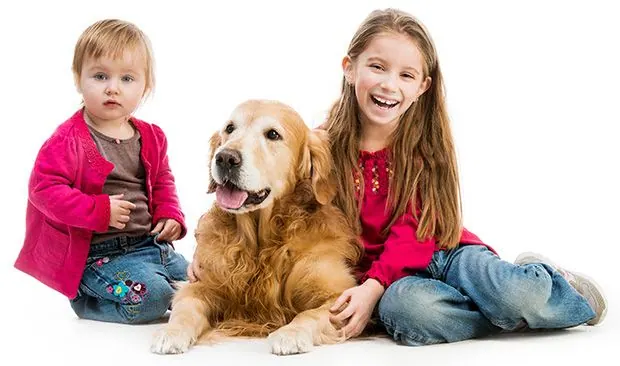
Raising a baby around a dog offers numerous advantages that contribute to a child’s well-rounded development. The companionship of a dog can enrich a child’s life in myriad ways, making this an enriching experience for the entire family. While it’s important to consider the breed and temperament of the dog as well as the age and maturity of the child, with proper management and supervision, the relationship between your child and their dog can become one of the most enriching and joyful aspects of their upbringing.