Asthma in Cats: Understanding, Managing, and Treating Feline Asthma
We earn from qualifying Amazon purchases. It doesn't change what we recommend.
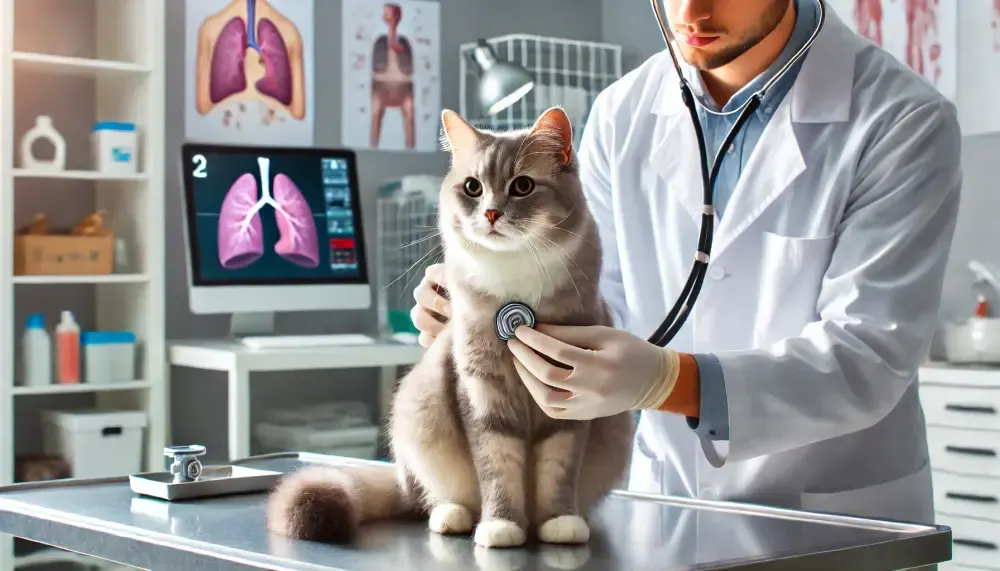
For general feline health context, the Merck Veterinary Manual cat-owner pages are a reliable starting point, and your veterinarian should guide individual decisions.
Asthma in cats, also known as feline asthma, is a chronic inflammatory condition that affects a cat’s airways, leading to episodes of coughing, wheezing, and difficulty breathing. Although it shares similarities with human asthma, the way it presents in cats can vary significantly. Understanding the signs, diagnosis, and treatment of asthma in cats is crucial for managing this condition and ensuring your feline companion lives a comfortable life.
What is Feline Asthma?
Feline asthma is a condition where a cat’s airways become inflamed and constricted due to various triggers, leading to breathing difficulties. The inflammation causes the airways to produce excess mucus, further narrowing the passages. During an asthma attack, a cat may struggle to breathe, and if left untreated, it can become a life-threatening situation.
Asthma in cats is often classified as an allergic respiratory disease, meaning that environmental allergens or irritants can trigger the condition. Common allergens include pollen, dust mites, mold spores, and even cigarette smoke. Some cats may also react to certain foods or chemicals found in household cleaners.
Symptoms of Asthma in Cats
Recognizing the symptoms of asthma in cats is the first step in managing the condition. The symptoms can range from mild to severe and may include:
- Coughing: A persistent, dry cough is one of the most common signs of feline asthma. It may sound like your cat is trying to expel a hairball, but nothing comes up.
- Wheezing: This is a high-pitched whistling sound that occurs when your cat breathes, particularly during exhalation.
- Difficulty Breathing: You may notice your cat breathing rapidly, with their mouth open or their chest heaving.
- Gagging or Vomiting: Some cats with asthma may gag or vomit after a coughing fit.
- Lethargy: Cats with asthma may become less active, avoiding play or exercise due to difficulty breathing.
- Blue Gums or Tongue: In severe cases, a lack of oxygen can cause your cat’s gums or tongue to turn blue, indicating an emergency situation.
It’s important to note that not all cats with asthma will show all of these symptoms. Some may only exhibit one or two, making it essential to be vigilant if you suspect your cat has asthma.
Diagnosing Asthma in Cats
If you notice any of the symptoms mentioned above, it’s crucial to take your cat to a veterinarian for a proper diagnosis. Diagnosing asthma in cats can be challenging because the symptoms can mimic other respiratory conditions, such as bronchitis, pneumonia, or heart disease. Your veterinarian will perform a thorough examination and may recommend the following diagnostic tests:
- X-rays: Chest x-rays can help visualize the lungs and airways, revealing any signs of inflammation, bronchial wall thickening, or mucus accumulation.
- Blood Tests: Blood tests can help rule out other conditions and may indicate an allergic response.
- Bronchoscopy: In some cases, a bronchoscopy may be performed to examine the airways directly and collect samples for analysis.
- Fecal Examination: This test checks for parasites like lungworms, which can cause similar symptoms to asthma.
Once a diagnosis of asthma is confirmed, your veterinarian will discuss the best course of treatment and management for your cat.
Treatment Options for Feline Asthma
While there is no cure for feline asthma, it can be managed with a combination of medications and lifestyle changes. The goal of treatment is to reduce inflammation, prevent asthma attacks, and improve your cat’s overall quality of life.
- Medications:
- Corticosteroids: These anti-inflammatory drugs are the cornerstone of asthma treatment. They help reduce inflammation in the airways, making it easier for your cat to breathe. Corticosteroids can be administered orally, by injection, or through an inhaler.
- Bronchodilators: These medications help open up the airways, making it easier for your cat to breathe during an asthma attack. They are usually administered through an inhaler.
- Antihistamines: In some cases, antihistamines may be prescribed to reduce allergic reactions that trigger asthma symptoms.
- Inhalation Therapy:
- Inhalation therapy is a common method for delivering corticosteroids and bronchodilators directly to the lungs. A special device called an Aerokat® is used to administer the medication through a mask that fits over your cat’s nose and mouth.
- Environmental Management:
- Reduce Allergens: Identifying and reducing allergens in your home is crucial. This may involve using air purifiers, vacuuming frequently, and avoiding the use of strong-smelling cleaning products or smoking around your cat.
- Maintain a Healthy Weight: Overweight cats are at a higher risk of asthma attacks, so maintaining a healthy weight through diet and exercise is important.
- Emergency Care:
- In severe cases, your cat may require emergency care to stabilize their breathing. This may involve oxygen therapy or additional medications to reduce airway constriction.

Managing Feline Asthma Long-Term
Living with a cat that has asthma requires ongoing management and monitoring. Here are some tips to help keep your cat’s asthma under control:
- Monitor Symptoms: Keep a diary of your cat’s symptoms, noting any patterns or triggers. This can help your veterinarian adjust treatment as needed.
- Regular Vet Visits: Regular check-ups are essential for monitoring your cat’s condition and making any necessary adjustments to their treatment plan.
- Medication Adherence: Ensure that your cat receives their medications as prescribed. Missing doses can lead to flare-ups or worsen the condition.
- Stress Reduction: Stress can exacerbate asthma symptoms, so try to keep your cat’s environment as calm and stable as possible.
When to Seek Immediate Veterinary Care
While most asthma symptoms can be managed at home, there are times when immediate veterinary care is necessary. If your cat is experiencing any of the following, seek emergency care right away:
- Breathing with an open mouth or gasping for air
- Collapsing or losing consciousness
- Blue gums or tongue
- Unresponsive or extreme lethargy
These symptoms indicate a severe asthma attack, which can be life-threatening if not treated promptly.
Asthma in cats is a serious condition that requires careful management and attention. With the right treatment plan and environmental adjustments, most cats with asthma can lead a normal, healthy life. If you suspect your cat may have asthma, don’t hesitate to consult with your veterinarian to get a proper diagnosis and start a treatment plan tailored to your feline friend’s needs. By staying vigilant and proactive, you can help your cat breathe easier and enjoy a happy, comfortable life.