Brain Tumor in Dogs
For general pet-health questions, the AVMA pet-owner resources are a reliable starting point, and your veterinarian should guide individual decisions.
A brain tumor in dogs is a rare but serious condition that can affect your pet’s behavior, movement, and overall well-being. These tumors, whether malignant or benign, can disrupt the normal functioning of the brain and lead to various neurological symptoms. Recognizing the early signs, understanding the diagnostic process, and being aware of the treatment options can help ensure that your dog gets the best possible care.
In this article, we will explore what brain tumors are, how they affect dogs, and what steps you can take to manage your pet’s health if they are diagnosed with this condition.
Understanding Brain Tumors in Dogs
A brain tumor is an abnormal growth of cells within or around the brain. In dogs, these tumors can be primary (originating in the brain) or secondary (spreading to the brain from other parts of the body). Primary brain tumors, such as meningiomas, gliomas, and choroid plexus tumors, are more common in dogs. Secondary tumors are often caused by cancer in other organs, such as the lungs, spreading to the brain.
Meningiomas, gliomas, and choroid plexus tumors are common types of brain tumors in dogs. Meningiomas are usually benign and arise from the meninges, the protective layers surrounding the brain and spinal cord, and they are often treatable with surgery. Gliomas, on the other hand, are malignant tumors that originate from the brain’s glial cells, which support and protect neurons. Gliomas are typically more aggressive and challenging to treat. Choroid plexus tumors develop in the brain’s ventricles and can lead to fluid buildup (hydrocephalus); their prognosis varies depending on whether they are benign or malignant.
The causes of brain tumors in dogs are not fully understood. However, genetics, environmental factors, and age can play a role. Certain breeds, such as Boxers, Golden Retrievers, and Boston Terriers, seem to be more susceptible to developing brain tumors. Additionally, brain tumors are more common in older dogs, typically those over the age of seven.
Symptoms of Brain Tumors in Dogs
Brain tumors can cause a wide range of symptoms, depending on the size and location of the tumor in the brain. Some of the most common symptoms include:
- Seizures: Sudden, uncontrolled episodes of shaking, convulsions, or twitching are a hallmark sign of a brain tumor. Seizures can vary in intensity and frequency. Learn about seizures in dogs.
- Changes in behavior: Dogs with brain tumors may display abnormal behavior, such as aggression, confusion, or disorientation. Some dogs may exhibit increased anxiety, while others may become lethargic or uninterested in activities they once enjoyed.
- Vision problems: Dogs with brain tumors may experience partial or complete loss of vision, often accompanied by difficulty in judging distances or bumping into objects.
- Head tilting or circling: A brain tumor can affect the dog’s balance and coordination, leading to a persistent head tilt or repetitive circling motions.
- Weakness or paralysis: Tumors in certain areas of the brain can cause weakness in the limbs or paralysis, affecting one side of the body more than the other.
- Loss of appetite and weight loss: Dogs with brain tumors may experience a lack of interest in food, leading to weight loss and other signs of illness.
- Difficulty walking or standing: Tumors affecting the brainstem or cerebellum can lead to issues with motor control, making it challenging for dogs to walk or stand without stumbling.
If you notice any of these symptoms in your dog, it is essential to seek veterinary care immediately. While these signs may be related to other neurological conditions, a prompt diagnosis can help determine if a brain tumor is the cause.
Diagnosing Brain Tumors in Dogs
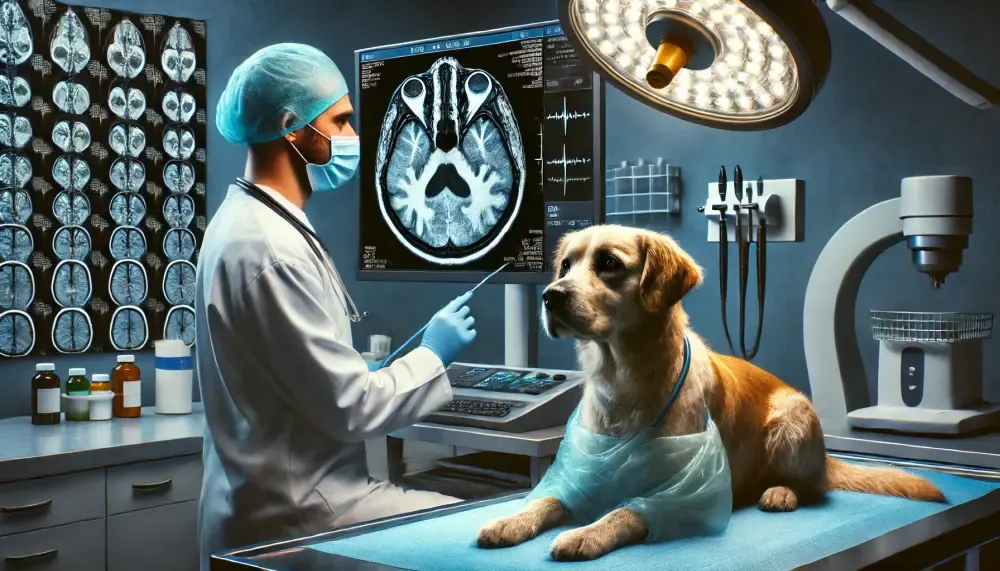
The process of diagnosing a brain tumor in dogs involves a combination of physical examinations, neurological assessments, and advanced imaging techniques. Your veterinarian will begin by taking a detailed history of your dog’s symptoms and conducting a thorough physical and neurological exam.
To confirm the presence of a brain tumor, the following diagnostic tools may be used:
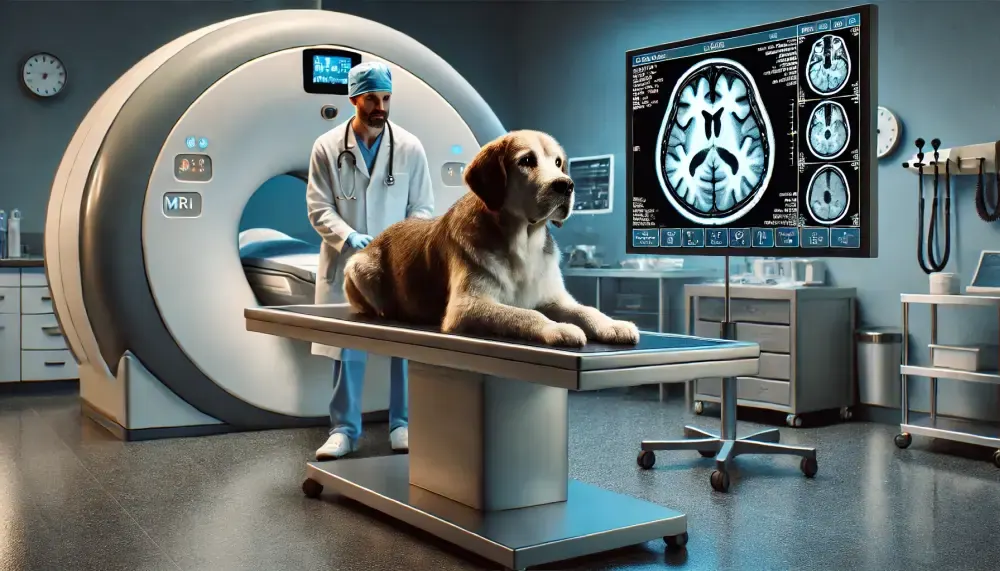
- Magnetic Resonance Imaging (MRI): MRI is the most common and effective imaging technique used to visualize brain tumors in dogs. It provides a detailed image of the brain, allowing veterinarians to locate the tumor, determine its size, and assess its impact on surrounding brain tissue.
- Computed Tomography (CT) Scan: CT scans can also be used to detect brain tumors, though they may not provide as much detail as MRI. CT scans are often used when MRI is unavailable.
- Biopsy: In some cases, a biopsy may be required to obtain a tissue sample from the tumor. This allows veterinarians to determine whether the tumor is benign or malignant and to identify its exact type.
- Blood tests and chest X-rays: These tests help rule out other potential causes of your dog’s symptoms and check for secondary tumors or metastasis.
Treatment Options for Brain Tumors in Dogs
The treatment of brain tumors in dogs depends on several factors, including the type, size, and location of the tumor, as well as the dog’s age and overall health. The most common treatment options are:
- Surgery: Surgical removal of the tumor is often the first line of treatment if the tumor is accessible and can be safely removed without damaging vital brain structures. However, not all tumors can be surgically removed, especially if they are located in difficult-to-reach areas of the brain.
- Radiation therapy: Radiation therapy is often used in cases where surgery is not possible or to shrink any remaining tumor tissue after surgery. This treatment involves targeting the tumor with high-energy radiation to destroy cancerous cells. While effective, radiation therapy may require multiple sessions and can be expensive.
- Chemotherapy: Chemotherapy is less commonly used to treat brain tumors in dogs, as many drugs do not effectively penetrate the blood-brain barrier. However, in certain cases, chemotherapy may be recommended alongside other treatments to slow tumor growth or prevent its spread.
- Palliative care: If the tumor is inoperable or the dog’s quality of life is severely compromised, palliative care may be recommended. This involves managing symptoms to keep the dog as comfortable as possible, typically using medications to control pain, seizures, and other neurological symptoms.
Prognosis and Quality of Life
The prognosis for dogs with brain tumors varies depending on the type of tumor, its location, and the chosen treatment. Dogs that undergo successful surgery or radiation therapy may experience months or even years of improved quality of life. However, the prognosis for dogs with malignant or aggressive tumors is generally poor, with survival times ranging from a few months to a year.
The most important factor in determining a dog’s prognosis is their overall health and how early the tumor is diagnosed. Regular veterinary checkups and prompt attention to any changes in your dog’s behavior or physical condition are crucial for early detection.
A brain tumor in dogs is a challenging diagnosis for any pet owner. Understanding the symptoms, diagnostic options, and treatment plans can help you make informed decisions about your dog’s care. With proper treatment and care, many dogs with brain tumors can enjoy an improved quality of life for as long as possible.
If you suspect your dog may have a brain tumor, consult with your veterinarian to discuss the best course of action and explore all available treatment options.