Can Cats Eat Bananas? Benefits, Risks, and Feeding Tips
If you are unsure whether a food is safe, the ASPCA’s list of people foods to avoid feeding pets is a reliable starting point, and a veterinarian or poison-control professional should be called if a pet already ate something questionable.
For another fruit, see can cats eat blueberries.
As a pet parent, it’s natural to wonder if certain human foods, like bananas, are safe for your feline companion. While bananas are rich in vitamins and minerals that benefit humans, not all fruits and foods are suitable for cats. Let’s explore whether bananas are safe for cats, what health benefits they may offer, potential risks, and tips on safely incorporating them into your cat’s diet.
Are Bananas Safe for Cats?
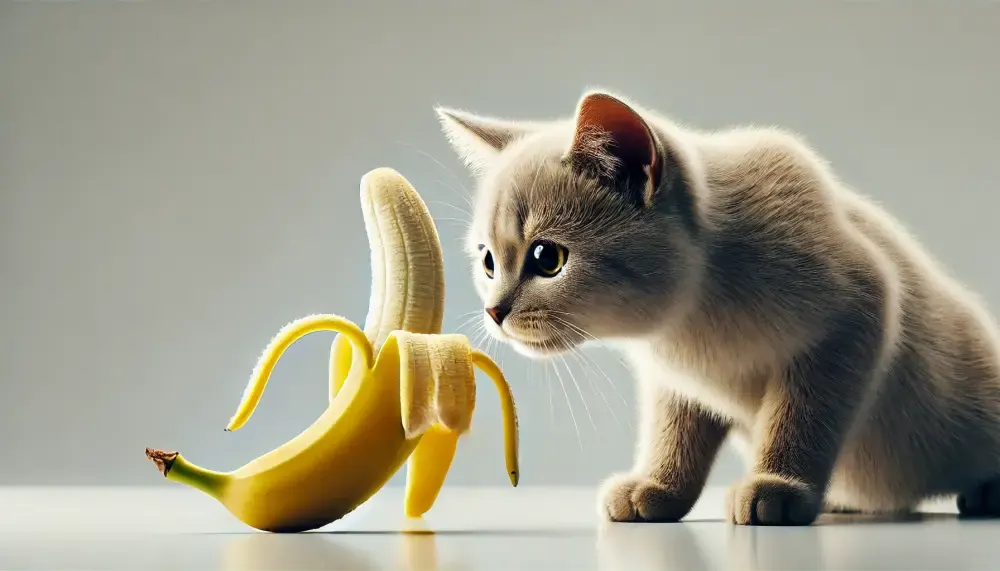
In general, bananas are considered safe for cats in small amounts. They aren’t toxic, which means a small bite of banana won’t harm your cat. However, bananas should only be given as an occasional treat. Cats are obligate carnivores, meaning their bodies are designed to thrive on animal proteins. Unlike humans and some other animals, cats don’t need fruits or vegetables in their diets, and their digestive systems aren’t fully equipped to handle plant-based foods.
Nutritional Benefits of Bananas for Cats
While cats don’t necessarily need bananas in their diets, they can still receive some benefits from the fruit’s nutrients:
- Vitamin C: Bananas contain Vitamin C, which helps boost the immune system. However, cats typically produce their own Vitamin C and don’t need to obtain it from food.
- Potassium: This mineral is essential for muscle function, heart health, and maintaining a healthy balance of fluids in the body. While cats get potassium through their regular diet, a small piece of banana can provide an extra boost.
- Fiber: Bananas are rich in dietary fiber, which can aid in digestion. For cats experiencing mild constipation, a tiny bite of banana could help with regularity.
- Carbohydrates: Bananas are high in carbohydrates, which provide quick energy. However, cats are designed to process protein-based energy, so they don’t benefit from carbs the way humans do.
While bananas can provide these nutrients, remember that cats’ nutritional needs are met primarily through high-protein foods like meat. A bite of banana is unnecessary for their health but can serve as an occasional, safe treat.
Potential Risks of Feeding Bananas to Cats
While bananas aren’t toxic, there are some risks to consider before offering them to your cat:
- High Sugar Content: Bananas contain natural sugars that cats cannot process efficiently. Consuming too much sugar over time can lead to obesity, diabetes, and other health issues in cats. For this reason, bananas should only be given in very small amounts.
- Digestive Upset: Cats’ digestive systems are sensitive to new foods. Introducing too much banana can lead to stomach upset, including diarrhea or vomiting. If you want to feed your cat banana, start with a tiny bite to see how they react.
- Choking Hazard: Large pieces of banana can pose a choking hazard for cats. Always break off a small, manageable piece if you’re offering them a taste.
- Allergic Reactions: While rare, some cats may have allergies or sensitivities to bananas. If you notice any unusual symptoms after feeding a banana, such as itching, swelling, or difficulty breathing, contact your veterinarian immediately.
How to Safely Feed Bananas to Your Cat
If you decide to let your cat try a banana, here are some tips for safe feeding:
- Introduce Slowly: Start by offering a very small piece, about the size of a pea. Observe your cat for any adverse reactions.
- Limit Portions: Only offer bananas as an occasional treat. A small nibble once every few weeks is more than enough.
- Mash or Cut into Tiny Pieces: To prevent choking, mash the banana or cut it into very small pieces. Avoid feeding the peel, as it can be difficult for cats to digest.
- Avoid Sweetened or Processed Bananas: Never offer banana-based snacks, chips, or items with added sugars, as these are unhealthy for cats.
- Offer in Moderation: Think of bananas as a treat, not a meal. Cats require animal-based nutrients that bananas cannot provide, so a banana should never replace their regular cat food.
Can Bananas Be Used for Medicinal Purposes in Cats?
Although not a common recommendation, bananas can occasionally serve as a home remedy for minor digestive issues in cats. Here’s how:
- Constipation Aid: If your cat experiences constipation, a small amount of mashed banana may help stimulate digestion. Start with a very tiny amount, as too much can cause the opposite effect and lead to diarrhea.
- Natural Laxative Properties: The fiber in bananas can work as a gentle laxative, helping cats pass stool more easily. However, always consult your veterinarian before using home remedies, as some cases of constipation require medical intervention.
When to Avoid Giving Bananas to Cats
Certain situations call for keeping bananas away from your cat altogether:
- Underlying Health Conditions: If your cat has diabetes, weight issues, or a digestive disorder, it’s best to avoid feeding them bananas due to the fruit’s sugar content and potential to upset their digestive system.
- Allergies or Sensitivities: As mentioned, some cats may react negatively to bananas. If your cat shows any signs of discomfort or allergic reactions, avoid feeding them bananas in the future.
- Senior Cats or Cats with Dental Issues: Older cats or cats with dental problems may have difficulty chewing bananas. Stick to soft, cat-safe foods that won’t put pressure on their teeth.
Other Fruits That Are Safe for Cats in Moderation
If you’re interested in offering more variety in occasional treats, here are a few other fruits that are generally safe for cats:
- Blueberries: Blueberries are high in antioxidants and are generally well-tolerated in small amounts.
- Strawberries: Another antioxidant-rich option, strawberries can be offered sparingly, but only in small bites.
- Apple (without seeds): Apples are safe, but the seeds contain cyanide, so only offer the flesh in small, seed-free portions.
Remember that these treats are optional and should not be a regular part of your cat’s diet.
Bananas can be a fun, occasional treat for cats, but they don’t provide any essential nutrients that a cat can’t already get from a balanced cat food diet. Cats’ nutritional needs are best met through high-protein animal sources, and their digestive systems are not designed for a lot of plant-based food. Feeding your cat a small amount of banana occasionally is safe, but always monitor for adverse reactions and keep the portion size small.
In short, while bananas are not harmful to cats, they are unnecessary for their diet. When in doubt, consult with your veterinarian to determine the best treats and diet for your cat’s health and happiness.