Constipation in Dogs: Causes, Symptoms, and Treatments
This is general information, not a diagnosis. The Merck Veterinary Manual dog-owner pages are a reliable place to read more before you talk with your veterinarian.
Constipation is a common health issue among dogs, characterized by infrequent or difficult bowel movements. It can cause discomfort and, if not treated, may lead to more serious health problems. Understanding the causes, recognizing the symptoms, and knowing the available treatments is essential for dog owners to ensure their pets remain healthy and comfortable.
Causes of Constipation in Dogs
Constipation in dogs can be caused by various factors, ranging from dietary issues to underlying health conditions. Common causes include:
- Inadequate Fiber Intake: Dogs that do not consume enough fiber may experience constipation. Fiber aids in bowel movement and is essential for digestive health.
- Dehydration: Insufficient water intake can lead to hard, dry stools, making it difficult for dogs to defecate.
- Lack of Exercise: Physical activity helps stimulate bowel movements. Sedentary dogs are more prone to constipation.
- Intestinal Blockages: Foreign objects, tumors, or masses in the intestines can obstruct the passage of stool.
- Medications: Certain medications can lead to constipation as a side effect.
- Aging: Older dogs are more prone to constipation due to decreased intestinal motility and other age-related factors.
Symptoms of Constipation in Dogs
Recognizing the signs of constipation is crucial for timely intervention. Symptoms include:
- Infrequent Bowel Movements: Dogs typically have one to two bowel movements per day. Less frequent bowel movements may indicate constipation.
- Straining to Defecate: Dogs may strain or appear uncomfortable while trying to defecate, often without passing stool.
- Hard, Dry Stools: When stools are passed, they may be hard and dry, indicating dehydration or insufficient fiber intake.
- Lethargy: Dogs suffering from constipation may show less interest in activities and appear lethargic.
- Loss of Appetite: Constipation can cause discomfort, leading to a decreased appetite.
Treatments for Constipation in Dogs
Treatment for constipation varies based on the underlying cause but generally includes:
- Dietary Changes: Increasing fiber intake through specially formulated dog foods or supplements can help alleviate constipation. Adding canned pumpkin or wheat bran to your dog’s diet may also provide relief.
- Increased Hydration: Ensuring your dog has constant access to fresh water can prevent dehydration and aid in digestion.
- Exercise: Regular physical activity stimulates the digestive system and helps prevent constipation.
- Medications and Supplements: Laxatives or stool softeners prescribed by a veterinarian can help relieve constipation. However, these should not be used without professional guidance.
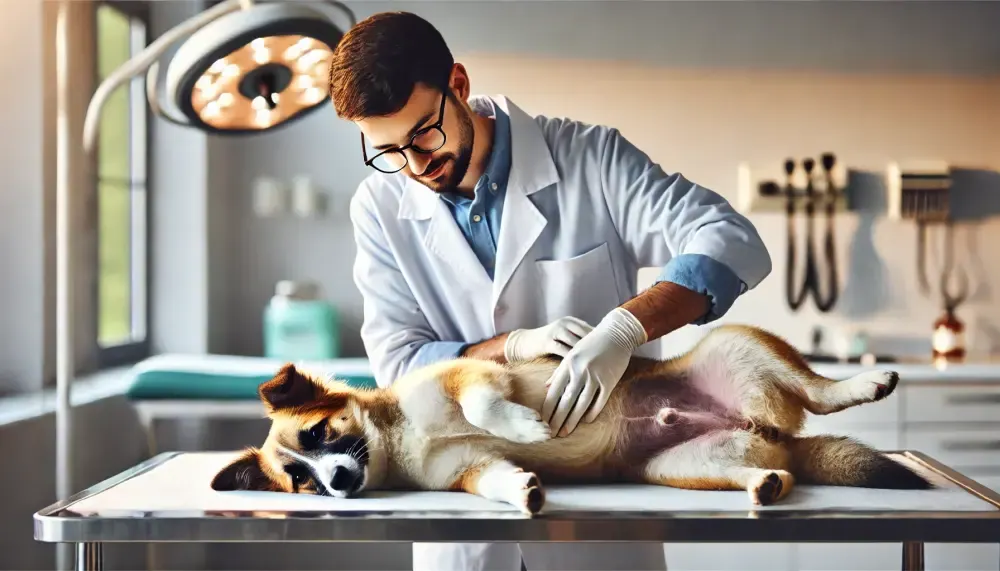
- Manual Removal of Stool: In severe cases, a veterinarian may need to manually remove impacted stool under sedation or anesthesia.
- Treating Underlying Conditions: If constipation is caused by an underlying health issue, such as a blockage or a metabolic disorder, treating that condition is necessary to relieve constipation.

Preventing Constipation in Dogs
Prevention is the best approach to managing constipation. Strategies include:
- Proper Diet: Feed your dog a balanced diet rich in fiber. Consult with a veterinarian to choose the best food for your dog’s age, size, and health condition.
- Adequate Water Intake: Always provide access to clean, fresh water to keep your dog hydrated.
- Regular Exercise: Daily physical activity is crucial for maintaining good digestive health.
- Routine Veterinary Checks: Regular check-ups can help identify and address any health issues that may lead to constipation.
When to See a Vet
While occasional constipation can be managed at home, persistent or severe cases require veterinary attention. If your dog has not had a bowel movement in more than two days, is vomiting, shows signs of distress, or if you suspect a blockage, consult your veterinarian immediately.
Constipation in dogs is a treatable condition, but recognizing the signs and understanding the underlying causes is crucial. By ensuring a proper diet, adequate hydration, regular exercise, and timely veterinary care, dog owners can help prevent constipation and maintain their pet’s digestive health. If you notice any changes in your dog’s bowel habits, it’s important to act promptly to avoid complications and ensure your furry friend stays healthy and happy.
This comprehensive guide to constipation in dogs aims to empower pet owners with the knowledge needed to identify, treat, and prevent this common health issue, ensuring a high quality of life for their canine companions.