Puppy vs. Adult Dog Food: Life Stage Matters, and the Timing Depends on Size
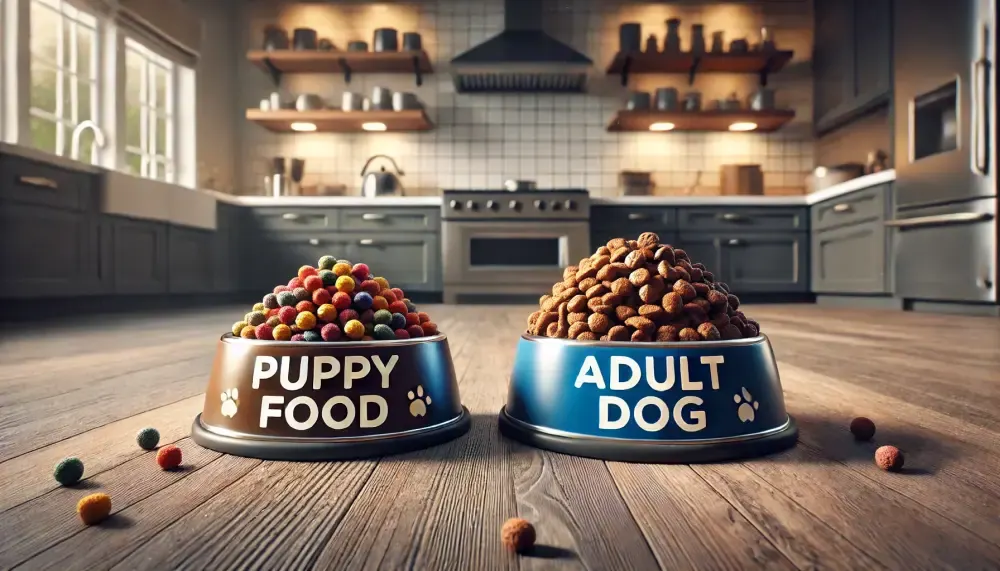
Puppy food and adult dog food are not interchangeable by taste or price. Growth formulas are designed for the higher nutrient needs of puppies, and large-breed puppy foods are a more specific category than a generic adult bag. An adult food is usually appropriate after the dog has finished most of its growth, which happens at different ages depending on size. Switching too early, or feeding a rich adult food “to make a puppy bigger,” can be a poor plan, especially for large breeds. Follow the life-stage statement on the bag and your veterinarian’s timing.
Look for a complete-and-balanced statement as explained in the FDA guidance on complete and balanced pet food and AAFCO’s consumer guide to understanding pet food. The WSAVA Global Nutrition Guidelines are a useful higher-level reference when you are choosing a food.
For a related food question, see Premium vs. Basic Dog Food: Marketing Is Not a Quality Grade.
See best dog food for puppies for growth diets and top dog food brands for complete adult foods. When you do transition, do it gradually unless your veterinarian says otherwise. For large-breed timing, see when to transition large-breed puppies.
As a pet parent, understanding the nutritional needs of your furry friend is crucial. The dietary requirements of puppies and adult dogs differ significantly, and feeding them appropriately can lead to healthier growth and longevity. Knowing the difference between puppy and adult dog food ensures that your dog receives the right balance of nutrients at every stage of life.
In this article, we’ll explore the primary distinctions between these two types of dog food, how they cater to different developmental stages, and why it matters.
Puppy vs. Adult Dog Food: Key Differences Explained
1. Nutritional Needs of Puppies vs. Adult Dogs
Puppies, especially during their first year, are in a critical period of rapid growth. Their bodies and brains are developing, and their energy requirements are far greater than those of adult dogs. To support this, the best puppy food is formulated with higher levels of essential nutrients like protein, fat, and certain vitamins.
- Protein: Puppies require more protein to build strong muscles and tissues. Puppy food typically contains around 22-32% protein, compared to 18-22% for adult dog food.
- Fat: Fat provides concentrated energy and supports the development of the brain and nervous system. Puppy food contains a higher fat content, helping them maintain their energy levels throughout their active and growing stage.
- Calcium and Phosphorus: These minerals are crucial for proper bone growth. The balance in puppy food is carefully calculated to avoid developmental issues like bone deformities, particularly in large breeds.
Adult dogs, on the other hand, require a diet that maintains their weight and energy levels without promoting excess fat gain. Their nutritional needs are more focused on sustaining overall health rather than growth.
2. Kibble Size and Texture
Another key difference between puppy and adult dog food lies in the kibble size and texture. Puppy food is made with smaller, softer kibbles, making it easier for puppies to chew and digest. Puppies have smaller jaws and developing teeth, so the food needs to be easy for them to break down.
In contrast, adult dog food comes in larger kibble sizes that suit the stronger jaws and fully developed teeth of adult dogs. These larger kibbles also encourage better chewing habits, which can aid in dental health by reducing tartar buildup.
3. Caloric Density and Feeding Portions
Puppy food is more calorie-dense to meet the high energy requirements of young dogs. Growing puppies burn a lot of calories through play, exploration, and development, so their food must provide sufficient energy to support their active lifestyle. For this reason, even though puppies eat smaller meals, their food is packed with nutrients and calories.
Adult dogs have lower caloric needs compared to puppies, and overfeeding them with puppy food can lead to obesity and other health problems. Adult dog food contains fewer calories per serving to match their decreased activity levels. Portion control becomes essential to ensure your dog maintains a healthy weight as they age.
4. Formulation Differences for Developmental Stages
Puppy food is specifically formulated to support not just physical growth but also brain development and immune system strengthening. Many puppy foods contain added DHA (Docosahexaenoic Acid), an omega-3 fatty acid that is crucial for the development of cognitive function and vision. Puppies also need a higher intake of antioxidants and vitamins to boost their developing immune systems.
Adult dogs don’t need the same level of developmental support, so adult dog food is more focused on maintaining general health. It often includes ingredients to support joint health, digestion, and overall longevity. Adult dog food is typically enriched with glucosamine and chondroitin, which are important for joint health and are especially beneficial for larger breeds that are prone to joint issues.
5. Life Stage-Specific Ingredients
Different life stages call for different nutritional components. Puppy food is designed with ingredients that promote rapid growth, such as higher levels of protein, fat, and minerals like calcium. It also contains more omega fatty acids that aid in brain development and provide healthy skin and coat.
In contrast, adult dog food prioritizes the maintenance of good health. While it still contains vital nutrients, the focus shifts toward weight control, joint health, and digestive support. Formulas for adult dogs often include prebiotics and fiber to aid digestion and maintain healthy gut bacteria.
6. Why You Shouldn’t Feed Puppy Food to Adult Dogs
Feeding puppy food to an adult dog is not recommended. The higher calorie content in puppy food can lead to rapid weight gain and obesity in adult dogs, which increases their risk for diseases like diabetes, heart conditions, and joint problems. Additionally, the higher levels of certain nutrients like calcium in puppy food may not be appropriate for an adult dog’s metabolism and could cause long-term health issues, such as kidney strain.
7. Transitioning from Puppy to Adult Dog Food
The transition from puppy food to adult dog food typically happens around the time your dog reaches 12 to 18 months of age. For smaller breeds, this switch might occur a little earlier, while for larger breeds, it could be later. It’s essential to transition gradually to avoid digestive upset. Start by mixing small amounts of adult dog food with the puppy food, gradually increasing the proportion over a week or two.
Keep an eye on your dog’s weight, energy levels, and stool quality during this time. Any significant changes could indicate that the transition is happening too quickly, and you may need to slow down the process.
Key Differences Between Puppy and Adult Dog Food
| Category | Puppy Food | Adult Dog Food |
|---|---|---|
| Protein Content | Higher (22-32%) | Lower (18-22%) |
| Fat Content | Higher for energy needs | Lower to prevent weight gain |
| Calcium & Phosphorus | Higher for bone growth | Balanced for maintenance |
| Kibble Size | Smaller, softer kibble | Larger kibble for dental health |
| Caloric Density | More calorie-dense | Lower calorie content |
| Special Ingredients | DHA, Omega-3 for brain development | Glucosamine for joint health |
Understanding the difference between puppy and adult dog food ensures that your dog receives the right nutrition at every stage of their life. Puppies need food that supports their rapid growth, while adult dogs need a diet that maintains their health and energy without encouraging weight gain. By choosing the appropriate food for your dog’s life stage, you can help them live a longer, healthier, and happier life.