Distemper in Cats: Understanding, Prevention, and Treatment
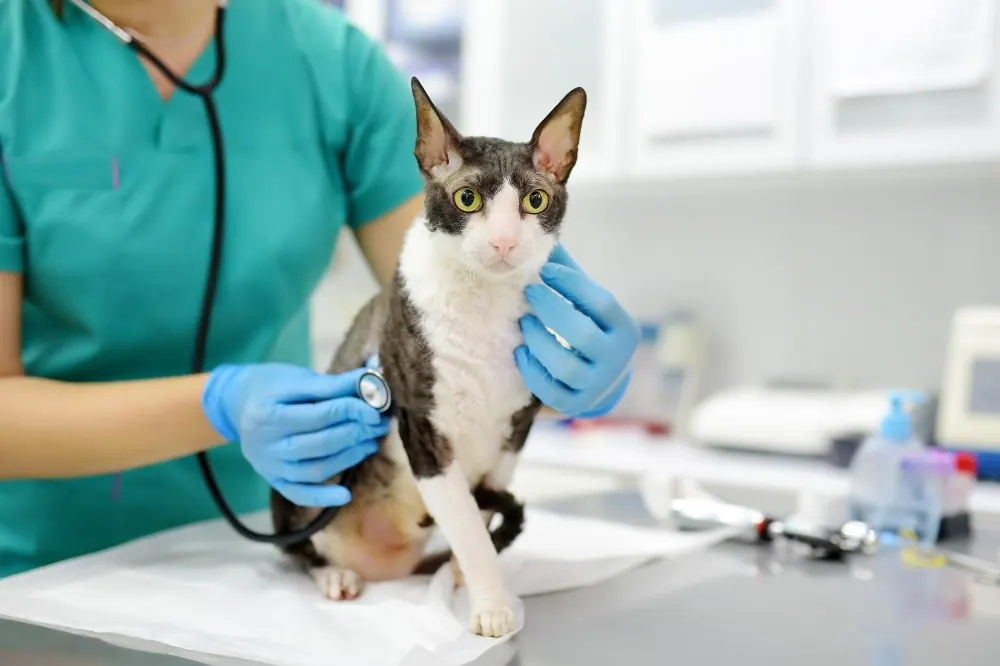
For general feline health context, the Merck Veterinary Manual cat-owner pages are a reliable starting point, and your veterinarian should guide individual decisions.
Distemper in cats, also known as feline panleukopenia, is a highly contagious and potentially fatal viral disease that can affect cats of all ages, though it is most commonly seen in kittens, unvaccinated cats, and those with compromised immune systems. Understanding the signs, prevention methods, and treatment options is crucial for cat owners to protect their feline companions from this devastating illness.
What is Feline Distemper?
Feline distemper, or feline panleukopenia, is caused by the feline parvovirus. This virus is closely related to the canine parvovirus but is specific to cats. It targets rapidly dividing cells, particularly in the intestines, bone marrow, and lymphoid tissues, leading to severe health issues.
The virus is highly resilient and can survive in the environment for extended periods, making it easy for cats to contract the disease through direct contact with infected cats, contaminated objects, or even through human contact after handling an infected cat.
Symptoms of Feline Distemper in Cats
The symptoms of feline distemper can vary depending on the severity of the infection, but they often appear suddenly and can progress rapidly. Common signs to watch for include:
- Fever: One of the first symptoms is a high fever, which can reach up to 104-107°F (40-41°C).
- Lethargy: Infected cats often become very weak and tired, showing little interest in their surroundings.
- Loss of Appetite: A noticeable decrease in appetite is common, leading to weight loss.
- Vomiting and Diarrhea: Cats may experience severe vomiting and diarrhea, often with a foul odor and sometimes containing blood.
- Dehydration: Due to vomiting and diarrhea, cats can quickly become dehydrated, which can be life-threatening if not addressed.
- Abdominal Pain: Cats may show signs of discomfort or pain when their abdomen is touched.
- Nasal Discharge and Sneezing: Respiratory symptoms may also be present, including sneezing and discharge from the nose and eyes.
- Sudden Death: In some cases, especially in young kittens, the disease can progress so rapidly that death occurs suddenly with little warning.
Diagnosis of Feline Distemper in Cats
If you suspect your cat may have distemper, it is critical to seek veterinary care immediately. The veterinarian will conduct a thorough physical examination and may recommend several diagnostic tests, including:
- Blood Tests: A complete blood count (CBC) can reveal a significant decrease in white blood cells, which is a hallmark of feline panleukopenia.
- Fecal Tests: A fecal sample may be tested for the presence of the virus.
- PCR (Polymerase Chain Reaction) Testing: This test detects the DNA of the virus in a sample of the cat’s blood or feces, confirming the presence of the virus.
Early diagnosis is essential for successful treatment, as the disease can progress rapidly.
Treatment Options for Feline Distemper in Cats
There is no specific cure for feline distemper, and treatment primarily focuses on supportive care to help the cat’s body fight off the virus. The primary goals of treatment are to keep the cat hydrated, manage symptoms, and prevent secondary infections. Treatment options may include:
- Fluid Therapy: To combat dehydration, intravenous (IV) fluids are often administered to maintain hydration and electrolyte balance.
- Nutritional Support: If the cat is not eating, nutritional support such as a feeding tube or appetite stimulants may be necessary.
- Antibiotics: While antibiotics cannot treat the virus, they are often prescribed to prevent or treat secondary bacterial infections that can occur due to the weakened immune system.
- Anti-nausea Medication: Medications to control vomiting and nausea can help keep the cat more comfortable and allow for better nutrient absorption.
- Pain Management: Pain relievers may be prescribed to alleviate abdominal discomfort.
Prevention of Feline Distemper
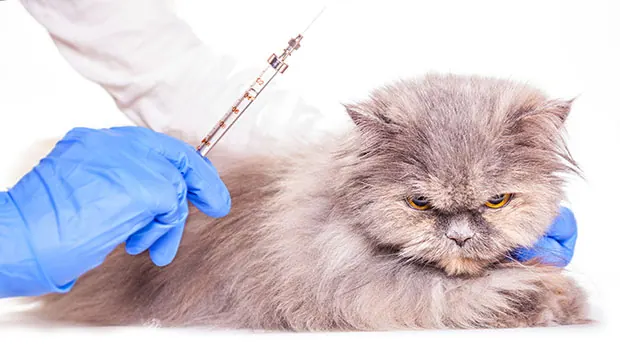
Preventing feline distemper is far easier and more effective than treating it. Vaccination is the most important step in protecting your cat from this disease. The feline distemper vaccine is a core vaccine, meaning it is recommended for all cats, regardless of their lifestyle. Kittens typically receive their first distemper vaccine at 6-8 weeks of age, followed by booster shots every 3-4 weeks until they are 16-20 weeks old. Adult cats should receive regular boosters according to their veterinarian’s recommendations.
In addition to vaccination, other preventive measures include:
- Isolation of Infected Cats: If a cat in your household is diagnosed with distemper, isolate them from other cats to prevent the spread of the virus.
- Sanitation: Thoroughly clean and disinfect any areas where an infected cat has been, as the virus can survive on surfaces for months. Use a bleach solution (1 part bleach to 32 parts water) to disinfect food bowls, litter boxes, and other items.
- Limit Exposure: Keep your cat indoors or supervise them when outside to minimize contact with potentially infected cats or environments.
The Importance of Early Vaccination and Regular Veterinary Care
Given the high mortality rate associated with feline distemper, especially in young kittens, early vaccination and regular veterinary care are vital. Kittens are particularly vulnerable because their immune systems are not fully developed, making them less able to fight off the virus. By vaccinating your kitten early and following the recommended vaccination schedule, you can significantly reduce their risk of contracting distemper.
Additionally, regular veterinary check-ups are essential for maintaining your cat’s overall health and catching any potential issues early. Your veterinarian can also provide guidance on the appropriate vaccination schedule and booster shots to ensure your cat remains protected throughout their life.
What to Do if Your Cat Has Been Exposed to Feline Distemper
If you know or suspect that your cat has been exposed to feline distemper, it’s crucial to act quickly. Contact your veterinarian immediately for advice. If your cat is unvaccinated or overdue for vaccines, they may recommend administering a vaccine as soon as possible to boost their immunity.
Keep a close eye on your cat for any signs of illness, and isolate them from other cats in the household to prevent the potential spread of the virus. Early intervention can be life-saving, so do not delay seeking veterinary care.
Feline distemper is a serious and life-threatening disease that requires prompt attention. By understanding the symptoms, seeking early diagnosis, and providing supportive care, cat owners can improve the chances of recovery for affected cats. However, the most effective way to protect your cat from distemper is through regular vaccination and preventive measures. Ensuring your cat receives their vaccines on schedule and maintaining good hygiene practices can help keep them safe from this devastating illness.
Remember, your veterinarian is your best resource for information and guidance on preventing and treating feline distemper. Regular veterinary visits and open communication with your vet are key to ensuring your cat remains healthy and protected.