Do Cats Love Their Owners? How Attachment Usually Looks
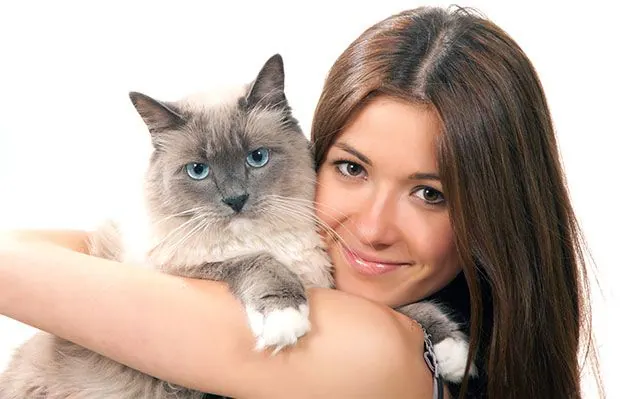
Many cats form a real attachment to their people, even if they show it more quietly than a dog. Slow blinks, sitting nearby, scent rubbing, following you from room to room, or exposing a belly (which is not always an invitation to touch) can all be affiliative signs. That does not mean every cat wants laps or hugs, and it does not mean a distant cat feels nothing. Individual temperament, early socialization, and stress in the home all shape how affection looks.
For general feline health context, the Merck Veterinary Manual cat-owner pages are a reliable starting point, and your veterinarian should guide individual decisions.
Attachment is real, but “emotional support animal” is a specific legal idea; we discuss that in can cats be emotional support animals.
For a related behavior question, see Do Animals Feel Love?.
You can strengthen the relationship with predictable feeding, play with best cat toys, and an occasional best lickable cat treats treat, without forcing contact a cat is walking away from. A sudden drop in social behavior, especially with appetite or litter-box changes, is a veterinary issue, not proof that “cats don’t love you.”
Cats, with their enigmatic personalities and often aloof nature, have long sparked debates among pet lovers about the depth of their affection for their owners. Unlike dogs, known for their overt expressions of love and loyalty, cats have a subtler way of showing their feelings. This article delves into the heart of the cat-owner relationship, exploring whether our feline friends truly love us and how they express it.
The Science of Feline Affection
To understand if cats love their owners, it’s crucial to examine the science behind their behavior. Studies have shown that cats form social bonds with humans. A notable research by the Oregon State University found that cats display attachment behaviors towards their owners similar to those seen in dogs and children. These behaviors include seeking comfort from their owners and showing distress when separated.
Cats also communicate affection through their body language. A cat that feels comfortable and loving towards its owner will often display behaviors like purring, kneading, and gentle head-butting. These actions are not just random; they are deeply ingrained in the cat’s natural behavior and signify trust and affection.
Understanding Cat Behavior
To further unravel the mystery of feline affection, we need to understand their unique way of communicating. Cats are not pack animals like dogs; they are more solitary in nature. Therefore, their expressions of love are less about pack bonding and more about individual affection.
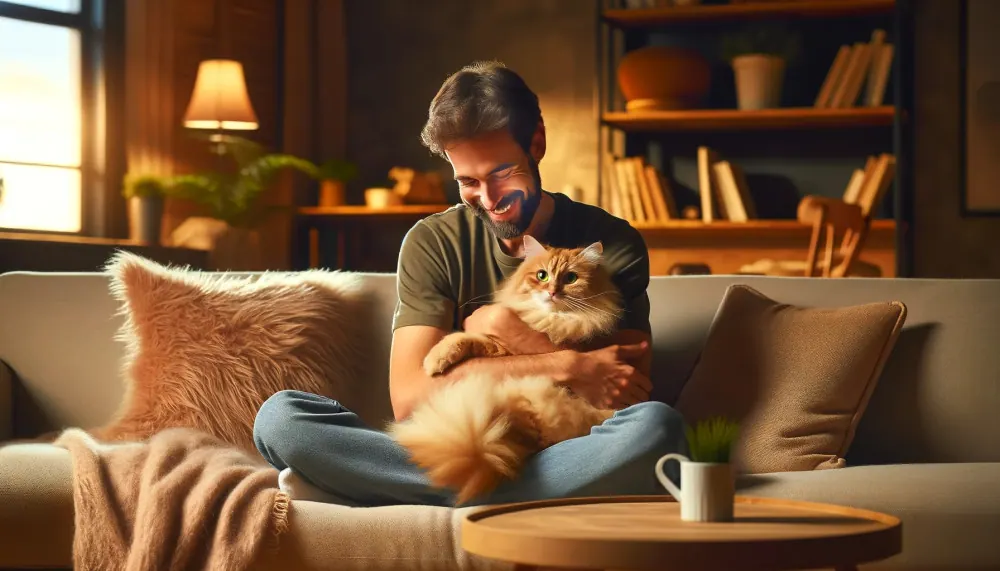
Cats Show Love in Various Ways, Including:
- Purring: One of the most well-known signs of a cat’s affection is purring. While cats purr for different reasons, such as comfort during distress or pain, a cat purring while curled up in your lap is often a clear sign of contentment and love. This soothing vibration is not just a sign of their own comfort, but it’s also believed to be a way of communicating their affectionate state to their owners.
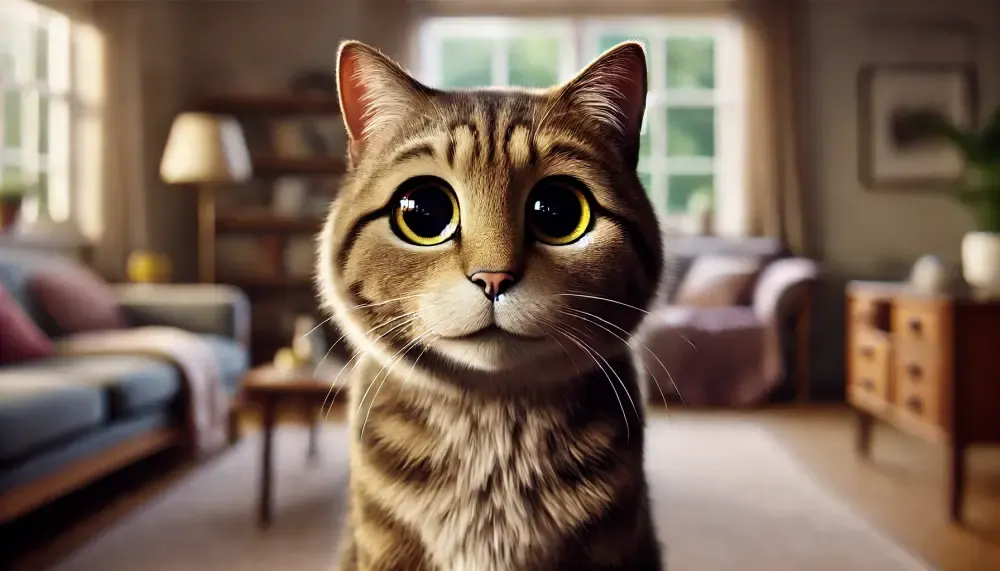
- Slow Blinking: Cats use slow blinking as a form of communication with their trusted humans. Often referred to as “cat kisses,” this behavior involves a cat looking at their owner and slowly closing and opening their eyes. This gesture is a sign of trust and affection, indicating they feel safe and content in your presence.
- Following and Leaning: A cat that follows you around the house or leans against you is displaying trust and affection. This behavior shows that they want to be near you and enjoy your company. Cats may also rub against your legs or sit on your lap, which is not only a sign of affection but also a way of marking their territory with their scent, indicating a strong bond.
- Bringing Gifts: Though it might be unsettling at times, when a cat brings you ‘gifts’ like toys, or in some cases, small prey, it’s a sign of affection. This behavior stems from their instinct as hunters and their desire to share their ‘catch’ with you, much like they would do in a familial bond in the wild.
- Head-Butting and Nuzzling: When a cat head-butts or nuzzles against you, they are not only showing affection but also marking you with their scent. This is a way for them to claim you as their own, a sign that they feel deeply comfortable and secure with you.
- Kneading: Cats knead with their paws when they are feeling most relaxed and content. This behavior, which starts as a kitten when nursing from their mother, is a definitive expression of comfort and affection. When a cat kneads its owner, it’s a sign that they associate their human with the same comfort and security they felt as a kitten with their mother.
- Sleeping on or Near You: Cats are most vulnerable when they are sleeping. Therefore, choosing to sleep on or near you is a significant indicator of trust and affection. It shows that they feel safe in your presence and consider you a protective ally.
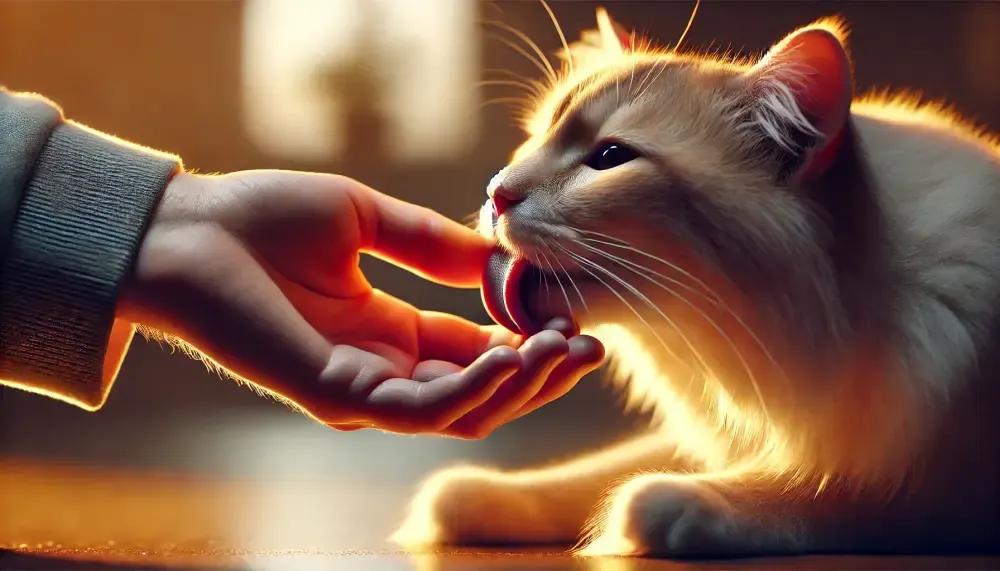
- Grooming You: If your cat licks your hair or ears, they are grooming you as they would a beloved family member. This behavior is a sign of great affection and trust, showing that they consider you part of their in-group.
- Chirping and Chattering: Sometimes, cats make a unique chirping or chattering sound when interacting with their owners. This sound is often associated with a cat’s excitement or affection and is a way for them to communicate their happy state.
- Eye Contact with a Soft Expression: Cats typically reserve prolonged eye contact for those they trust. A relaxed facial expression with gentle eye contact is a sign of trust and affection from your cat.
Each of these behaviors is a piece of the puzzle in understanding how cats show love. Recognizing and appreciating these subtle signs can deepen the bond between cats and their owners, helping to foster a loving and trusting relationship.
Debunking the Myth of Aloofness
The stereotype of cats as aloof and independent often leads to misconceptions about their capacity for love. In reality, cats can form deep, affectionate bonds with their owners. Their independent nature should not be mistaken for a lack of affection. Instead, it shows that when a cat chooses to display love, it’s a genuine and deliberate choice.
The Impact of Socialization
A cat’s ability to show love is also influenced by their early experiences with humans. Kittens that have been socialized with humans from a young age are more likely to develop strong bonds with their owners. On the other hand, cats that have had limited human interaction in their early life might be more reserved.
The Role of the Owner
The bond between a cat and its owner is a two-way street. The way an owner interacts with their cat can greatly affect the cat’s behavior and feelings. Owners who are gentle, attentive, and understanding of their cat’s needs and boundaries are more likely to develop a stronger bond with their pet. Cats are sensitive to human emotions and behaviors, and they respond to kindness and respect.
In conclusion, cats do love their owners, but they show it in ways that are unique to their species. Understanding and respecting these differences is key to recognizing the signs of feline affection. Cats may not wear their hearts on their sleeves like some pets, but the love they offer is no less genuine. It’s a quiet, steady kind of love that speaks volumes to those who take the time to listen.