Facial Dysmorphia and Chromosomal Abnormalities in Cats
For a related health topic, see Renal Failure in Cats. That article is also not a substitute for a veterinary exam.
For general feline health context, the Merck Veterinary Manual cat-owner pages are a reliable starting point, and your veterinarian should guide individual decisions.
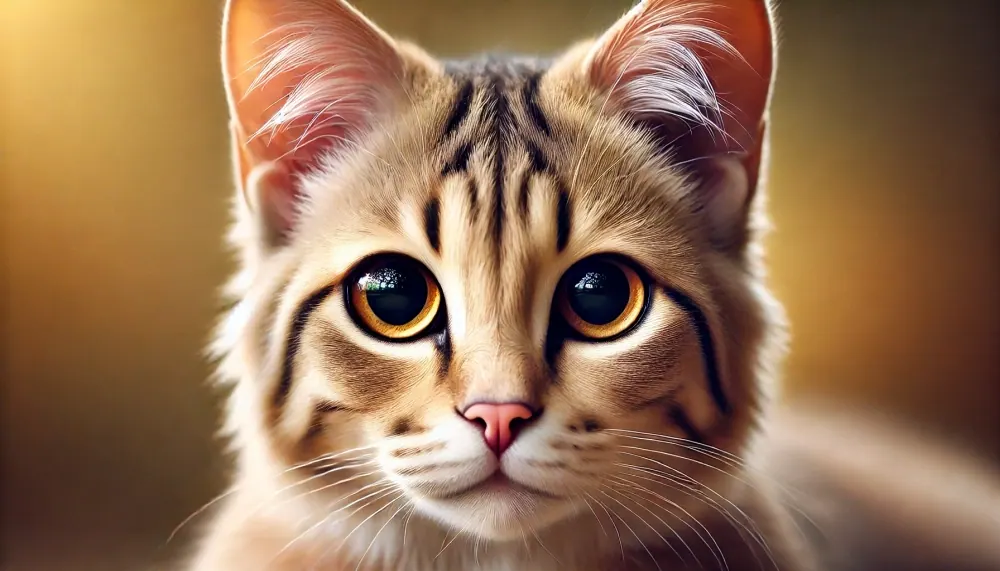
Facial dysmorphia in cats refers to atypical or unusual facial features that result from genetic mutations or chromosomal abnormalities. While not always harmful, these distinctive features often raise questions among cat owners and enthusiasts, leading to curiosity about the genetic origins and implications for feline health. Some cats with facial dysmorphia display unique traits such as a flatter nose, wide-set eyes, or prominent cheeks, while others might exhibit more pronounced characteristics that can impact their quality of life.
Many cases of feline facial dysmorphia arise from natural genetic variation within specific breeds. Cats such as Persians and Scottish Folds, for example, are selectively bred for certain facial structures, some of which exhibit mild forms of dysmorphia. However, in other instances, facial dysmorphia may signal underlying chromosomal abnormalities, which can impact the cat’s overall development and health.
Causes of Chromosomal Abnormalities in Cats
Chromosomal abnormalities in cats occur when there are irregularities in the chromosomes that carry their genetic information. Normally, a cat has 38 chromosomes in 19 pairs. Any deviation from this pattern can lead to a range of genetic outcomes, from minor physical changes to significant developmental challenges. Causes of chromosomal abnormalities may include:
- Inherited Genetic Mutations: Certain breeds, such as the Manx, which is known for its lack of a tail, carry mutations passed down from previous generations.
- Environmental Factors: Exposure to environmental toxins during gestation may increase the likelihood of chromosomal abnormalities in kittens.
- Spontaneous Mutations: Occasionally, spontaneous mutations arise without any apparent cause. These can lead to unique traits, such as polydactyly (extra toes) or other physical differences.
While some chromosomal abnormalities result in cosmetic changes, others can cause medical complications or affect a cat’s lifespan and overall health.
Common Chromosomal Abnormalities in Cats
Several chromosomal abnormalities have been documented in cats, with varying impacts on their appearance and health. Some of the most commonly observed abnormalities include:
- Trisomy and Monosomy: Similar to Down syndrome in humans, some cats may have trisomy, an extra copy of a chromosome. While this is rare in cats, those affected often display unusual facial features, cognitive differences, and other physical challenges. Monosomy, the absence of a chromosome, can also lead to facial dysmorphia and developmental issues.
- Polydactyly (Extra Toes): Polydactyly is a genetic trait that often leads to an unusual number of toes, typically resulting from a specific mutation on chromosome 13. While it affects the limbs rather than the face, it is one of the most visible forms of genetic mutation in cats and does not usually impact their health adversely.
- Persian Cat Dysmorphia (Brachycephaly): Persian cats have been bred for a flatter face and nose, a condition known as brachycephaly. Though this trait is desirable for aesthetic reasons, it can lead to respiratory issues, dental malocclusions, and eye drainage problems, especially if the cat’s nasal passages are restricted.
- Scottish Fold Ear and Facial Traits: Cats with the Scottish Fold mutation possess a gene that affects cartilage formation, resulting in folded ears. This gene also impacts other cartilage structures, sometimes leading to a unique facial shape. However, cats with this gene can also experience joint issues or osteochondrodysplasia, a condition that causes painful skeletal deformities.
- Manx Syndrome: The genetic mutation that leads to taillessness in Manx cats can also impact the spine and hindquarters. In severe cases, Manx Syndrome may cause incontinence, digestive issues, or even paralysis, making it crucial to monitor these cats closely and provide specialized care.
Health Considerations and Care for Cats with Dysmorphia and Genetic Conditions
Cats with facial dysmorphia or chromosomal abnormalities may require specific health considerations to maintain a good quality of life. Here are a few factors that can help in their care:
- Regular Vet Visits: Cats with chromosomal abnormalities may face health challenges that require proactive veterinary care. Routine checkups can help monitor their condition, identify any emerging issues early, and establish an appropriate care plan.
- Special Diet and Supplements: For cats with certain genetic disorders, like Manx Syndrome or brachycephaly, specialized diets can ease symptoms. Soft food might be recommended for cats with dental malocclusions, while joint supplements may help cats prone to skeletal issues.
- Environmental Adaptations: Cats with physical or cognitive disabilities may benefit from a safe, adapted environment. Ramps, accessible litter boxes, and secure perches can enhance their comfort and quality of life. For cats with vision or mobility limitations, a consistent layout and accessible resources reduce stress.
- Enrichment and Stimulation: Cognitive and physical stimulation is important for all cats, especially those with chromosomal abnormalities that impact behavior or learning. Interactive toys, puzzle feeders, and regular play sessions provide both physical and mental engagement.
- Monitoring for Secondary Conditions: Cats with chromosomal abnormalities or facial dysmorphia are sometimes more prone to secondary health conditions, such as respiratory infections in brachycephalic breeds. Awareness of these risks allows owners to take preventive measures, like using a humidifier to ease breathing or opting for a harness instead of a collar.
Breeding and Ethical Considerations
Selective breeding practices have led to the unique physical traits that characterize many popular cat breeds. However, these practices also raise ethical questions regarding animal welfare. Breeds like the Persian and Scottish Fold have gained popularity for their distinctive features, but at the cost of potential health complications. Responsible breeding practices focus on the well-being of the cat rather than aesthetic appeal, and breeders who prioritize health screenings and genetic diversity contribute to the overall welfare of these cats.
Cat owners and breeders should understand the impact of genetic traits on the animal’s health and welfare. Advocating for health over appearance can help reduce the prevalence of genetic disorders that result from selective breeding, creating a healthier, more resilient feline population.
Facial dysmorphia and chromosomal abnormalities in cats highlight the complexity and diversity of feline genetics. While many cats with unique physical features live full, happy lives, some may face health challenges that require specialized care and understanding. With advances in genetic research and a commitment to ethical breeding practices, it is possible to balance the fascination with distinctive feline appearances and the importance of health and quality of life. As awareness of these conditions grows, cat lovers and breeders alike can make informed decisions that prioritize the well-being of every cat, regardless of its genetic makeup.