Feline Dwarfism: A Medical Condition, Not a Cute Trend
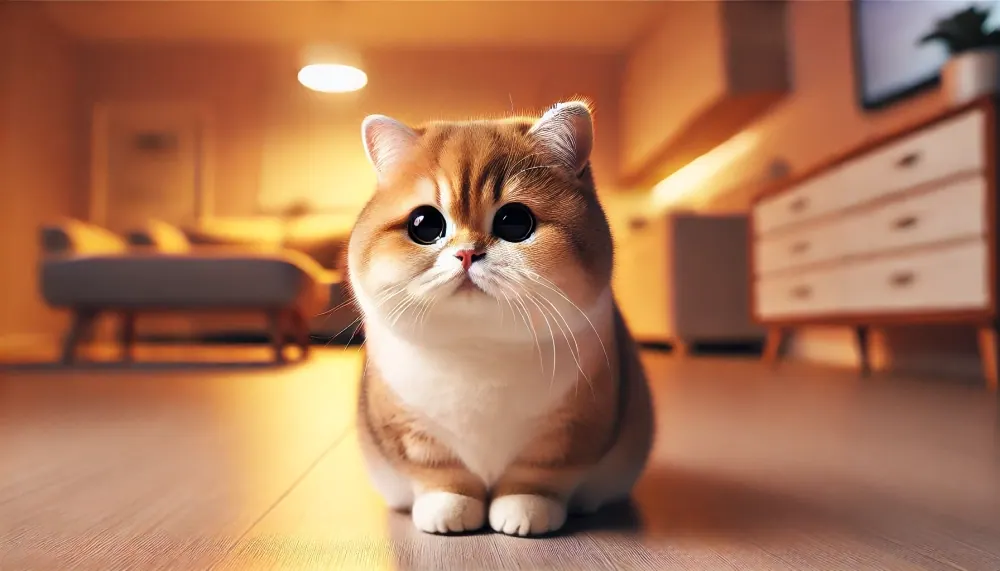
Feline dwarfism is a medical description, not a cute trend. Some cats are born with forms of osteochondrodysplasia or other developmental conditions that shorten the limbs or change the skull. Those conditions can bring pain, joint and spine problems, dental issues, and trouble grooming or using the litter box. A short-legged look is not automatically the same diagnosis as true dwarfism, and only a veterinarian can sort out the cause.
For general feline health context, the Merck Veterinary Manual cat-owner pages are a reliable starting point, and your veterinarian should guide individual decisions.
For a related health topic, see Hypoallergenic Cat Breeds: The Perfect Feline Companions for Allergy Sufferers. That article is also not a substitute for a veterinary exam.
If you live with a small-stature or special-needs cat, the job is comfort and veterinary follow-up, not novelty photos. Keep food easy to reach, including best canned cat food if that is easier to chew, and offer gentle play with best cat toys rather than jumping challenges. Do not seek out breeders who market extreme short legs as a designer look.
Feline dwarfism is a fascinating yet complex condition that leads to shorter limbs, smaller stature, and distinct physical characteristics in affected cats. While certain dwarf cat breeds, such as the Munchkin, have gained popularity due to their unique appearance, dwarfism in cats is much more than a simple trait. It involves genetic mutations and sometimes underlying health challenges that require specialized care and attention.
In this article, we’ll explore the causes, types, and common characteristics of feline dwarfism, as well as tips for ensuring a happy, healthy life for your dwarf cat.
What Is Feline Dwarfism?
Feline dwarfism is a rare genetic condition that affects a cat’s growth and development, primarily causing shorter-than-average legs and, in some cases, a smaller body overall. The condition is the result of genetic mutations that affect bone growth and cartilage development. Unlike typical cats that grow into proportional adulthood, dwarf cats often have mismatched limb lengths or unusual facial features due to these mutations.
The most common type of feline dwarfism is achondroplasia, a genetic disorder that restricts the growth of certain bones, especially in the limbs. This condition can vary in severity, and while some dwarf cats lead relatively normal lives, others may experience health issues requiring ongoing veterinary care.
Types of Dwarfism in Cats
There are three primary types of feline dwarfism: osteochondrodysplasia, pituitary dwarfism, and selective dwarfism. Each type affects cats differently and comes with its unique set of characteristics and care needs.
1. Osteochondrodysplasia
Osteochondrodysplasia is the most recognized type of feline dwarfism, often found in cats like the Munchkin breed. This type of dwarfism affects cartilage and bone development, resulting in short legs and, in some cases, a curved spine. While many cats with osteochondrodysplasia live happy lives, they are at risk for joint issues, arthritis, and mobility problems.
2. Pituitary Dwarfism
Pituitary dwarfism occurs when the pituitary gland fails to produce enough growth hormone, leading to stunted growth in cats. This type of dwarfism can cause a cat to remain kitten-sized throughout life, with underdeveloped muscles and organs. Pituitary dwarfism may also lead to other health complications, such as thyroid and kidney problems, and these cats often require more intensive veterinary monitoring.
3. Selective Dwarfism (Breed-Based Dwarfism)
Certain dwarf cat breeds, like Munchkin and Napoleon cats, have been selectively bred for their short legs and small stature. These breeds were developed to enhance their unique appearance, but selective dwarfism can sometimes come with genetic predispositions to health issues. While not all dwarf breeds suffer from these challenges, owners should be aware of potential issues related to their cat’s unusual build.
Characteristics of Cats with Dwarfism
Dwarf cats have distinct physical characteristics that set them apart from other felines. Here are some of the most common features seen in cats with dwarfism:
- Short legs: This is the most notable feature, especially in cats with osteochondrodysplasia.
- Round face and large eyes: Dwarf cats often have a unique facial appearance, with a broader face and larger, rounder eyes.
- Curved spine: Some dwarf cats may have a slight curve in their spine, leading to a swaying gait.
- Smaller size overall: Depending on the type of dwarfism, these cats may remain smaller than average throughout their lives.
- Health sensitivities: Dwarf cats are more prone to joint pain, arthritis, and other mobility-related health issues due to their skeletal structure.
Common Health Concerns for Dwarf Cats
Feline dwarfism is not just an aesthetic trait; it often comes with health challenges that can affect a cat’s quality of life. Here are a few common health concerns for dwarf cats:
- Joint and Mobility Issues: Short-legged cats are more susceptible to arthritis, joint pain, and spinal issues, which can limit their mobility and cause discomfort as they age.
- Obesity Risks: Due to their smaller and stockier build, dwarf cats are more prone to obesity, which can worsen joint issues and overall health.
- Respiratory Problems: Some dwarf cats may experience respiratory difficulties due to their facial structure, particularly if they have a flatter face.
- Organ Function Complications: Cats with pituitary dwarfism may have underdeveloped organs, which can lead to issues with the heart, kidneys, and thyroid.
Veterinary care for dwarf cats should focus on regular health check-ups to monitor for these conditions, along with appropriate weight management and physical therapy to help with joint mobility.
Caring for a Dwarf Cat
Owning a dwarf cat comes with unique responsibilities. While these cats are typically affectionate, playful, and make loving companions, they require a little extra care to ensure their health and comfort.
1. Veterinary Check-Ups
Routine veterinary visits are essential for dwarf cats. Since they are more prone to health complications, having a veterinarian monitor their weight, joint health, and organ function is crucial for their well-being.
2. Weight Management
Obesity can be especially problematic for dwarf cats, as it puts additional strain on their already sensitive joints. Maintaining a healthy weight through portion control and appropriate diet is essential. Consult with your vet to determine the best feeding schedule and food type for your cat’s needs.
3. Joint Support
Providing joint supplements, such as glucosamine and chondroitin, may help maintain joint health and alleviate pain associated with arthritis or other mobility issues. Some owners also consider acupuncture or gentle physical therapy exercises to aid mobility.
4. Environmental Adjustments
Creating a dwarf-cat-friendly home environment can significantly enhance their quality of life. Consider adding ramps or steps to help them reach elevated surfaces, like sofas or beds, without putting stress on their joints. Avoid overly tall cat trees, as they may be difficult for a dwarf cat to navigate.
5. Gentle Exercise
Encouraging low-impact play and gentle exercise helps dwarf cats stay active without overstressing their joints. Avoid activities that involve jumping from high places, and instead opt for activities that allow them to move at their own pace, such as wand toys or interactive puzzles.
Popular Dwarf Cat Breeds
Some cat breeds are famous for their dwarf-like appearance, although not all have true dwarfism. Here are a few popular dwarf or small-statured cat breeds:
- Munchkin: Known for its short legs, the Munchkin is the most famous dwarf cat breed and is generally friendly and playful.
- Napoleon (Minuet): A cross between a Munchkin and a Persian, this breed has short legs and a round face, with a sweet temperament.
- Bambino: A hairless breed with short legs, the Bambino is a cross between a Munchkin and a Sphynx, combining unique looks with affectionate behavior.
These breeds are loved for their appearance and endearing personalities, but potential owners should understand the health needs associated with dwarfism before committing.
Caring for a dwarf cat can be a rewarding experience, as these cats often have unique personalities that match their distinctive appearance. Understanding the specific needs of a dwarf cat, from regular vet check-ups to creating a supportive home environment, is essential for their happiness and longevity. With the right care, dwarf cats can live fulfilling lives and become cherished companions for their owners.
By staying informed about their unique requirements and maintaining a proactive approach to their health, you can give your dwarf cat the best possible life.