Flea Allergy Dermatitis in Dogs
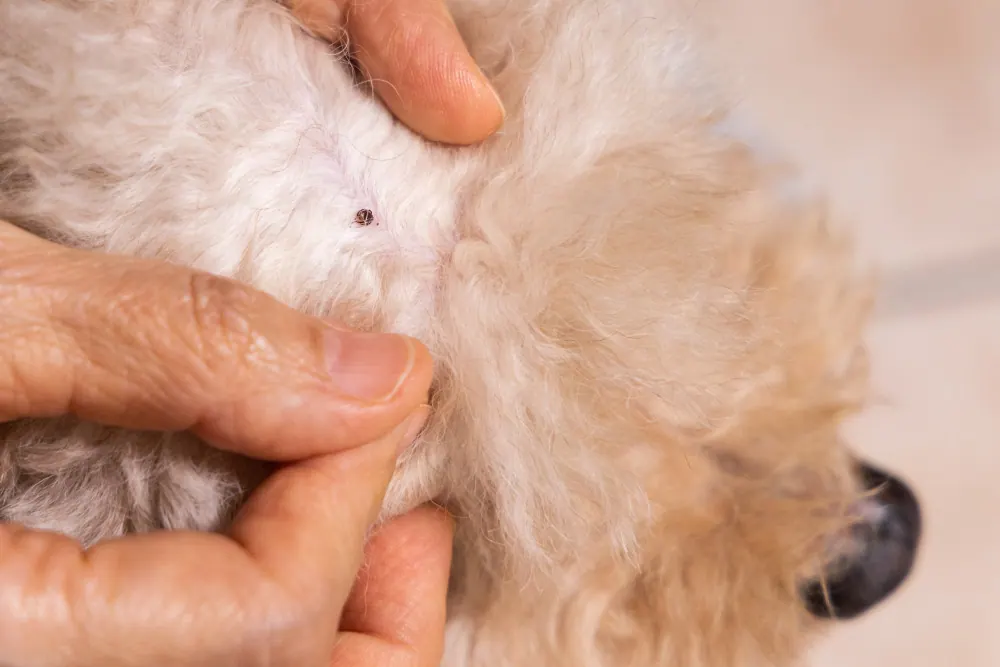
Flea Allergy Dermatitis (FAD) is a common and irritating skin condition affecting dogs worldwide. It’s not just the presence of fleas that causes discomfort in our canine companions, but their allergic reaction to flea saliva that leads to this distressing condition. FAD can significantly impact a dog’s quality of life, leading to incessant scratching, skin infections, and more. This article provides a comprehensive look at FAD, offering insights into its symptoms, diagnosis, treatment, and prevention to help pet owners navigate this challenging condition.
As an Amazon Associate, we earn from qualifying purchases.
What is Flea Allergy Dermatitis?
FAD is the most common allergic skin disease in dogs, triggered by an allergic reaction to flea bites. When a flea bites a dog, it injects saliva into the dog’s skin. For dogs with FAD, this saliva causes an intense allergic reaction, leading to severe itching and discomfort. It’s a hypersensitivity reaction, meaning even a small number of fleas can cause significant problems.
Symptoms of Flea Allergy Dermatitis in Dogs
The hallmark symptom of FAD is intense itching and scratching. Dogs may bite, lick, or scratch their skin incessantly, particularly at the base of the tail, underbelly, and thighs. Other symptoms include:
In chronic cases, the skin may thicken and darken due to persistent scratching and irritation.

Diagnosis of Flea Allergy Dermatitis
Veterinarians diagnose FAD based on clinical signs, history of flea exposure, and the elimination of other causes of dermatitis. Flea control measures may be recommended as part of the diagnostic process. In some cases, intradermal allergy testing or serological tests for flea antigens can confirm the diagnosis.
Treatment for Flea Allergy Dermatitis
Treatment focuses on two main areas: controlling fleas and alleviating symptoms. Effective flea control is paramount and involves treating the dog, other pets in the household, and the environment. Various products, including topical treatments, oral medications, and collars, can eliminate fleas and prevent re-infestation.
To relieve itching and inflammation, veterinarians may prescribe corticosteroids or antihistamines. Omega-3 fatty acid supplements can also support skin health. In cases of secondary skin infections, antibiotics or antifungal medications may be necessary.
See top-rated flea control for dogs on Amazon
This is general information, not a diagnosis. The Merck Veterinary Manual dog-owner pages are a reliable place to read more before you talk with your veterinarian.
Preventing Flea Allergy Dermatitis
Prevention is key to managing FAD. Regular use of vet-recommended flea control products year-round can significantly reduce the risk of flea infestation and subsequent allergic reactions. Additionally, maintaining a clean environment by vacuuming frequently and washing pet bedding can help eliminate flea populations.
Lifestyle and Home Care Tips
Pet owners can take several steps to support their dog’s recovery and prevent future outbreaks, including:
- Regular grooming to monitor skin condition
- Using hypoallergenic or oatmeal-based shampoos to soothe irritated skin
- Implementing a balanced diet to support skin health
- Reducing stress, which can exacerbate skin conditions
When to See a Veterinarian
If you suspect your dog has FAD, or if your pet is experiencing severe itching and discomfort, it’s crucial to consult a veterinarian. Early intervention can prevent complications and improve your dog’s quality of life.
Flea Allergy Dermatitis is a challenging condition for both dogs and their owners. However, with proper diagnosis, treatment, and preventive measures, it’s possible to manage FAD effectively. By staying vigilant about flea control and attentive to your dog’s skin health, you can help ensure your furry friend remains happy, comfortable, and flea-free.