Heart Murmur in Cats: Understanding, Diagnosis, and Care
For general feline health context, the Merck Veterinary Manual cat-owner pages are a reliable starting point, and your veterinarian should guide individual decisions.
When it comes to our feline companions, ensuring their health and well-being is a top priority. Among the various health concerns that can affect cats, heart murmurs are a common issue that many pet owners may encounter. While the term “heart murmur” might sound alarming, understanding what it means and how to address it can help you provide the best care for your cat.
What is a Heart Murmur?
A heart murmur in cats is an abnormal sound heard during a heartbeat. Normally, the heart produces a distinct “lub-dub” sound as the valves open and close, allowing blood to flow through the chambers. A heart murmur, however, is an extra or unusual sound that occurs due to turbulent blood flow within the heart. This can be caused by a variety of factors, ranging from benign to more serious conditions.
Heart murmurs are not a disease in themselves but rather a symptom of an underlying issue. The severity and implications of a heart murmur can vary, making it essential for pet owners to understand the potential causes and seek appropriate veterinary care.
Causes of Heart Murmurs in Cats
Heart murmurs can result from several different factors. These can be broadly categorized into congenital, acquired, and functional causes:
- Congenital Causes: Some cats are born with structural abnormalities in their hearts, such as a hole between chambers (ventricular septal defect) or malformations of the valves. These congenital defects can lead to heart murmurs being detected in kittens or young cats.
- Acquired Causes: As cats age, they may develop conditions that lead to heart murmurs. Common acquired causes include hypertrophic cardiomyopathy (HCM), a condition where the heart muscle becomes abnormally thickened, leading to impaired heart function. Other acquired causes can include heart valve disease, hyperthyroidism, and high blood pressure.
- Functional Causes: Not all heart murmurs indicate a structural problem. Some murmurs are functional, meaning they occur in an otherwise healthy heart. These murmurs can result from factors like stress, excitement, anemia, or fever, which cause temporary changes in blood flow.
Symptoms of Heart Murmurs in Cats
In many cases, heart murmurs may not cause any noticeable symptoms, especially if they are mild or functional. However, if a heart murmur is associated with an underlying heart condition, you may observe signs such as:
- Lethargy: Cats with heart murmurs may show reduced energy levels and tire more easily.
- Breathing difficulties: Labored or rapid breathing can be a sign of heart-related issues.
- Coughing: Persistent coughing, especially during rest, can indicate heart problems.
- Fainting or collapse: In severe cases, a cat may faint or collapse due to reduced blood flow.
- Weight loss: Unexplained weight loss can be a symptom of underlying heart disease.
If you notice any of these symptoms in your cat, it is crucial to seek veterinary attention promptly.
Diagnosing Heart Murmurs in Cats
Diagnosing a heart murmur in cats typically involves a combination of a physical examination and diagnostic tests. Here’s how your veterinarian may approach the diagnosis:
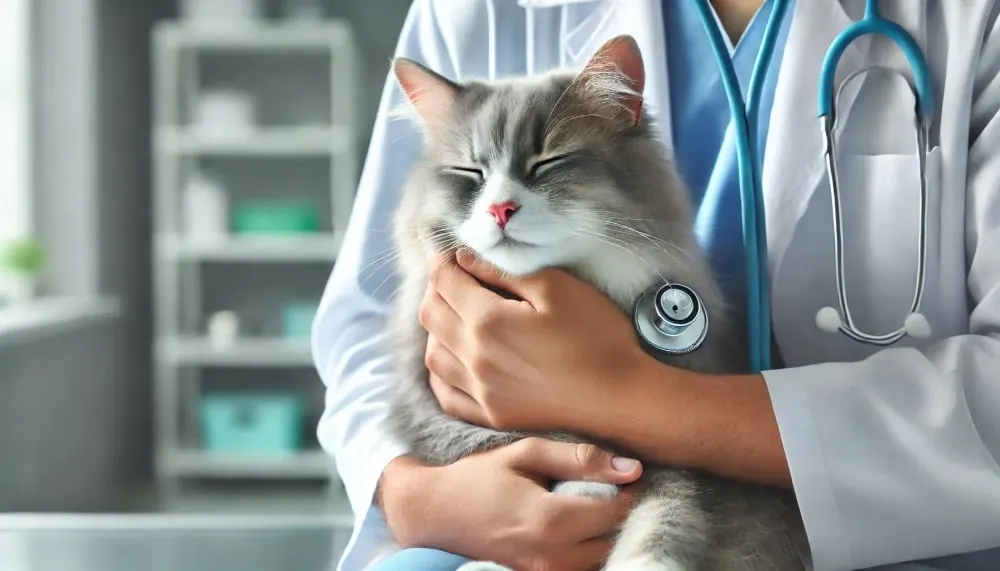
- Auscultation: The veterinarian will listen to your cat’s heart using a stethoscope. The location, timing, and intensity of the murmur will provide clues about its cause.
- Echocardiogram: An echocardiogram is an ultrasound of the heart that allows the veterinarian to visualize the heart’s structure and function. This test is particularly useful in identifying congenital defects, cardiomyopathy, and other structural abnormalities.
- X-rays: Chest X-rays may be taken to assess the size and shape of the heart and to check for signs of fluid accumulation in the lungs, which can indicate heart failure.
- Blood Tests: Blood tests can help identify underlying conditions such as hyperthyroidism or anemia, which can contribute to the development of heart murmurs.
- Electrocardiogram (ECG): An ECG records the electrical activity of the heart and can detect irregular heart rhythms that may be associated with murmurs.
Treatment Options for Cats with Heart Murmurs
The treatment for a heart murmur in cats depends on the underlying cause and the severity of the condition. In some cases, no treatment may be necessary if the murmur is mild and not associated with any health problems. However, if the murmur is linked to a specific condition, your veterinarian may recommend one or more of the following:
- Medications: Depending on the diagnosis, your cat may require medications to manage heart disease. Common medications include beta-blockers, ACE inhibitors, and diuretics, which help improve heart function and reduce fluid buildup.
- Dietary Changes: For cats with heart conditions, a low-sodium diet may be recommended to reduce the strain on the heart. Additionally, supplements such as taurine, L-carnitine, and omega-3 fatty acids may support heart health.
- Monitoring and Regular Check-ups: Cats with heart murmurs should be closely monitored with regular veterinary visits. Follow-up echocardiograms and other tests may be needed to track the progression of the condition.
- Surgery: In rare cases, surgery may be necessary to correct congenital heart defects or to repair damaged valves. This option is typically considered for severe cases where other treatments are ineffective.
Living with a Cat Diagnosed with a Heart Murmur
Hearing that your cat has a heart murmur can be concerning, but it’s important to remember that many cats with murmurs live long, healthy lives. The key is to work closely with your veterinarian to manage the condition and provide the best possible care for your feline friend.
- Stay Informed: Educate yourself about your cat’s specific condition and treatment options. Understanding the diagnosis can help you make informed decisions about your cat’s care.
- Regular Veterinary Visits: Keep up with scheduled veterinary appointments to monitor your cat’s heart health and adjust treatment plans as needed.
- Watch for Symptoms: Be vigilant for any changes in your cat’s behavior or health, and report any concerns to your veterinarian immediately.
- Provide a Stress-Free Environment: Minimizing stress can help manage heart conditions, so create a calm and comfortable environment for your cat.
A heart murmur in cats is a sign that requires attention but is not always a cause for alarm. With proper diagnosis, treatment, and ongoing care, many cats with heart murmurs can continue to enjoy a high quality of life. As a pet owner, your role in providing love, care, and attention is invaluable in ensuring your cat’s well-being.