Herbs Safe for Cats: Natural Remedies for Your Feline Friend
Related reading: Do Cats Fart? Understanding Feline Flatulence.
For general feline health context, the Merck Veterinary Manual cat-owner pages are a reliable starting point, and your veterinarian should guide individual decisions.
Cats are curious creatures who love to explore their surroundings, including plants and herbs you may have in your home or garden. However, not all herbs are safe for cats, and some may even pose a risk to their health. Knowing which herbs are safe can help you create a healthy and enriching environment for your feline friend. In this article, we’ll explore a variety of herbs that are not only safe but can also provide beneficial effects for your cat.
Catnip
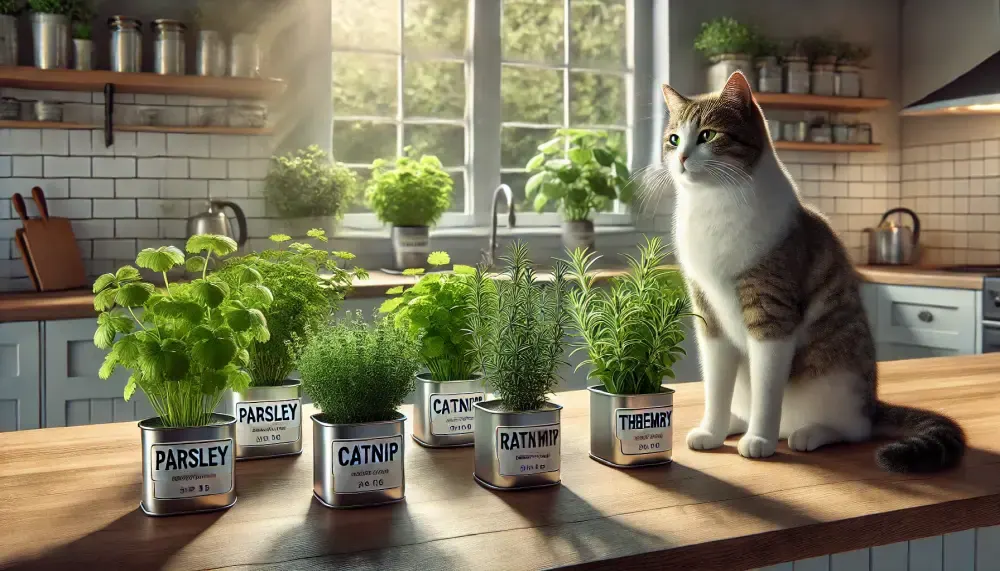
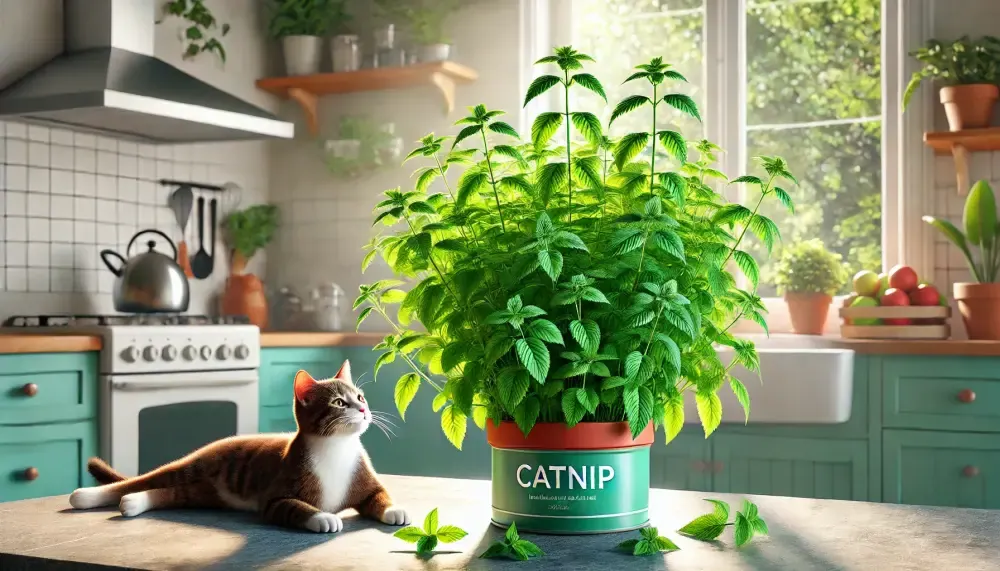
Catnip (Nepeta cataria) is perhaps the most well-known herb associated with cats. It contains a compound called nepetalactone, which triggers a euphoric response in many cats. Most cats will roll around, purr, and become very playful after coming into contact with catnip, though some may experience a calming effect instead.
Catnip is perfectly safe for cats to ingest or sniff, and the effects are temporary. It can be offered as a treat in dried form or fresh from the plant. However, too much catnip may lead to mild digestive upset, so moderation is key.
Parsley
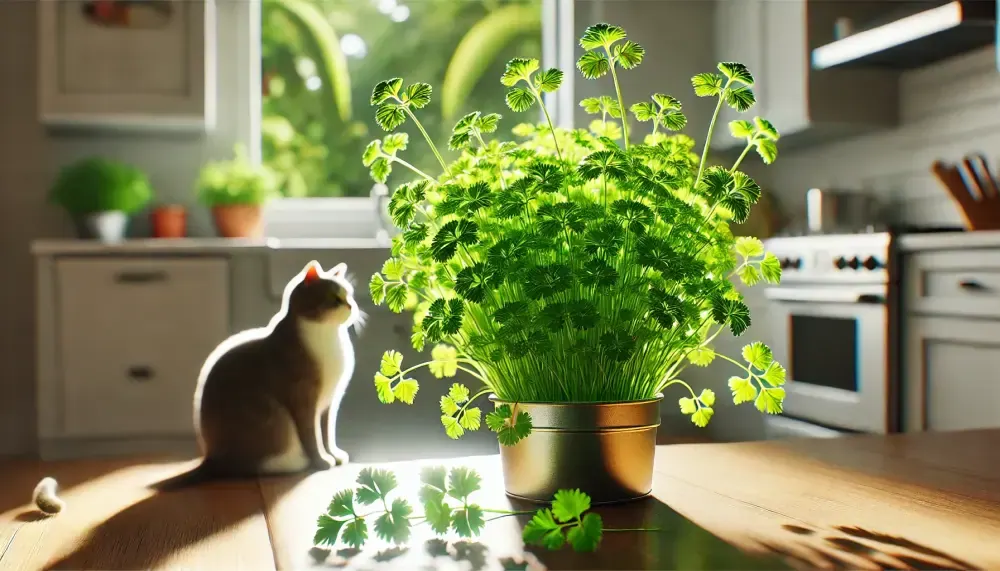
Parsley (Petroselinum crispum) is another herb that is safe for cats in small amounts. It contains essential vitamins and minerals such as vitamin C, A, and K, as well as iron and potassium. Parsley can support urinary tract health and is a natural breath freshener.
When offering parsley to your cat, it’s best to stick to fresh or dried leaves. Avoid large quantities or the curly-leafed variety, which can cause digestive discomfort if consumed in excess.
Rosemary
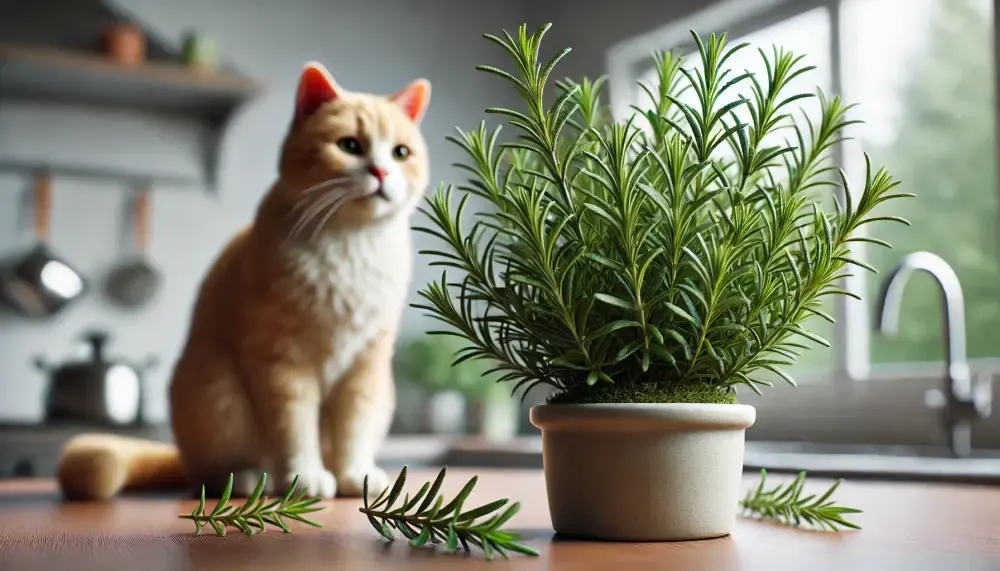
Rosemary (Rosmarinus officinalis) is a fragrant herb that is generally safe for cats. It contains antioxidants and anti-inflammatory properties that may support your cat’s immune system. Some pet owners even use rosemary in their cats’ bedding or around their home to naturally repel fleas, as its strong aroma can deter pests.
While rosemary is safe for cats, it should be offered sparingly, and it’s best to avoid the essential oil form, which can be too potent for felines.
Thyme
Thyme (Thymus vulgaris) is another cat-safe herb that boasts antiseptic and antifungal properties. It can be used to support digestive health and has calming effects when ingested in small amounts. Like rosemary, thyme is also effective at repelling fleas due to its strong scent.
Fresh thyme leaves are safe for cats to nibble on, but avoid concentrated thyme oil, as it can be overwhelming and cause irritation.

Valerian Root
Valerian root (Valeriana officinalis) is a lesser-known herb that can act as a stimulant for cats, much like catnip. Some cats react to valerian root with increased activity, playfulness, and energy. This makes it a good alternative to catnip for cats that may not be affected by nepetalactone.
Valerian root is safe for cats in small quantities, though it’s important to ensure it is given in its dried form and not as a concentrated supplement.

Chamomile
Chamomile (Matricaria chamomilla) is often used for its calming effects in humans, but it can also be beneficial for cats. This herb can help ease anxiety and soothe upset stomachs when used in small amounts. Chamomile tea is a common way to introduce the herb to your cat, either by offering a few sips or soaking it into their bedding for a calming aroma.
However, not all types of chamomile are safe. German chamomile is considered safe for cats, while Roman chamomile should be avoided as it can be toxic to felines.

Dandelion
Dandelion (Taraxacum officinale) is not just a pesky weed—it’s a nutritious herb that is safe for cats. Dandelion leaves contain vitamins A, C, and K, as well as calcium and iron. It can support liver health and digestion in cats and also acts as a gentle diuretic.
You can offer your cat fresh dandelion greens or brew them into a tea to promote urinary health. Just be sure the dandelions are free from pesticides or herbicides before giving them to your pet.

Lemongrass
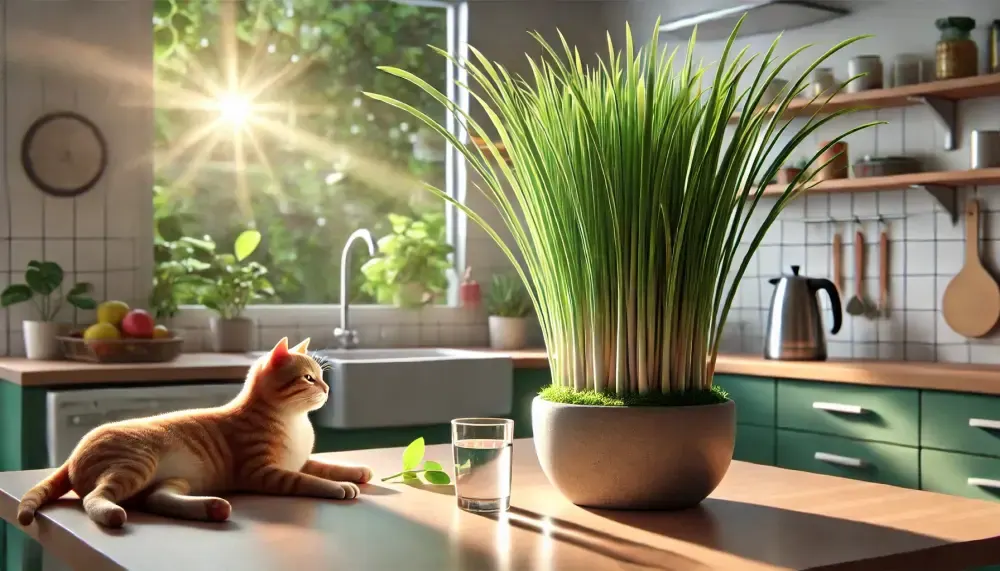
Lemongrass (Cymbopogon) is an aromatic herb that many cats enjoy nibbling on. It’s safe for cats in small amounts and can provide a refreshing scent in your home. However, be cautious with excessive consumption, as too much lemongrass can cause gastrointestinal upset in cats.
Fresh lemongrass is generally fine for your feline to chew, but avoid any concentrated lemongrass oils or sprays, which can be overwhelming and potentially harmful.
Mint
While not all mint varieties are safe for cats, peppermint (Mentha piperita) and spearmint (Mentha spicata) are considered generally safe when consumed in very small amounts. Mint can act as a mild stimulant and can also help with nausea or upset stomachs in some cats.
However, it’s important to remember that large quantities of mint, especially peppermint, can cause gastrointestinal distress or even more serious issues like liver damage. Always monitor your cat’s intake and avoid using mint essential oils around them.
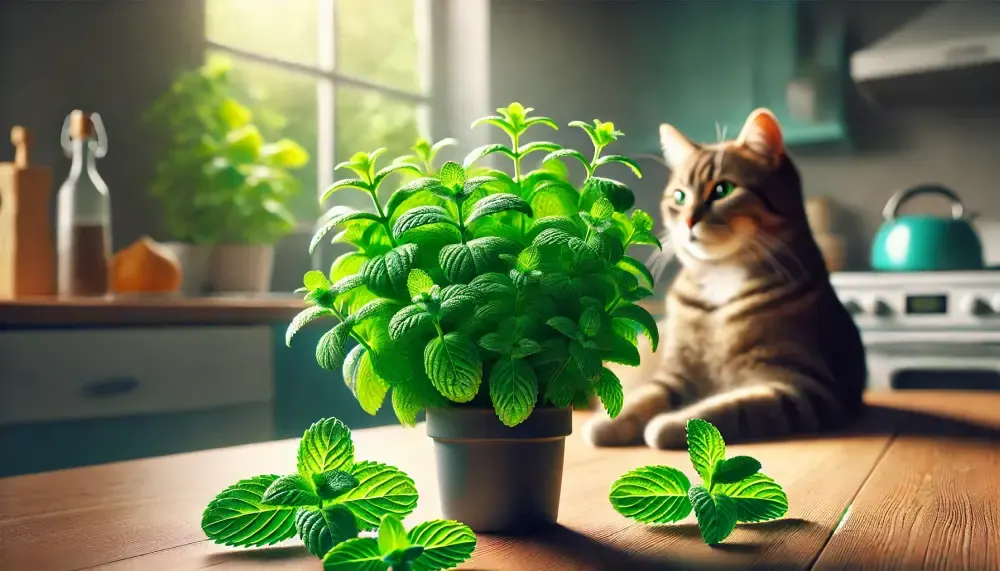
Many common herbs are safe and even beneficial for cats when used in moderation. Herbs like catnip, parsley, and rosemary can provide your feline friend with health benefits and enrich their daily life. However, it’s crucial to avoid overuse and be cautious with herb-based essential oils, as they can be too concentrated for cats.
By choosing the right herbs and offering them in safe quantities, you can enhance your cat’s environment and well-being with natural remedies. Always consult your vet before introducing new herbs into your cat’s diet to ensure they are appropriate for your specific pet.