Hip Dysplasia in Dogs: Causes, Symptoms, Treatment, and Prevention
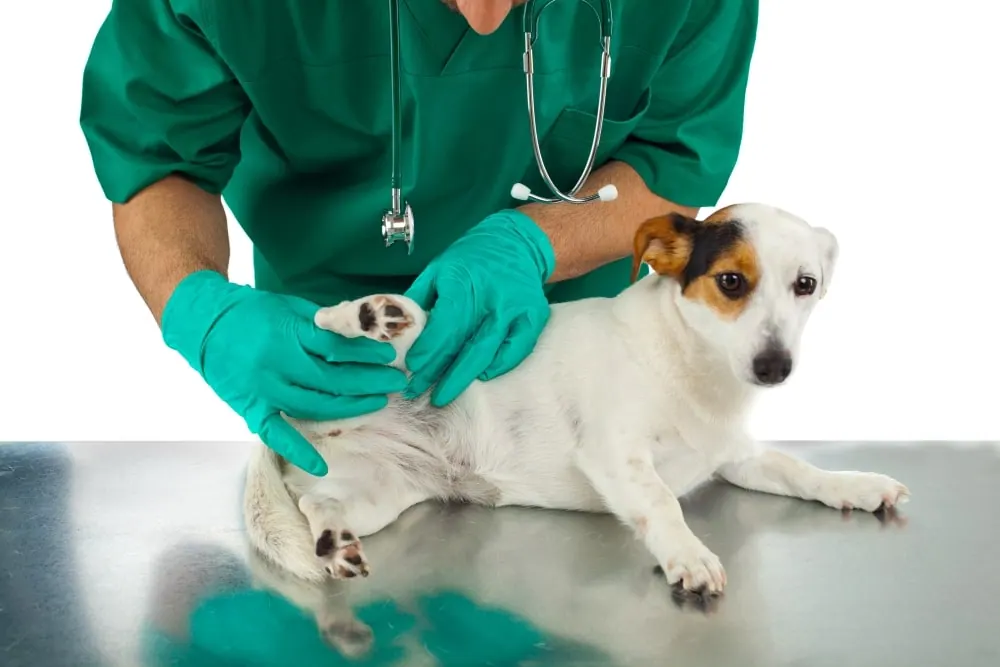
Hip dysplasia is a common and painful condition affecting many dogs, particularly larger breeds. It can significantly impact a dog’s quality of life, leading to chronic pain and mobility issues. Understanding the causes, recognizing the symptoms, exploring treatment options, and learning preventive measures can help dog owners manage and mitigate the effects of this condition.
As an Amazon Associate, we earn from qualifying purchases.
What is Hip Dysplasia?
Hip dysplasia is a genetic disorder that occurs when the hip joint fails to develop properly. The hip joint is a ball-and-socket joint, where the ball (femoral head) should fit snugly into the socket (acetabulum). In dogs with hip dysplasia, this fit is abnormal, leading to joint laxity and instability. Over time, this improper fit can cause the joint to deteriorate, resulting in arthritis and significant pain.
Causes of Hip Dysplasia in Dogs
Several factors contribute to the development of hip dysplasia in dogs, including:
- Genetics: The primary cause of hip dysplasia is genetic. If one or both parents have hip dysplasia, their offspring are more likely to develop the condition.
- Size and Breed: Larger breeds, such as German Shepherds, Labrador Retrievers, Golden Retrievers, and Great Danes, are more prone to hip dysplasia. However, it can occur in any breed, including mixed breeds.
- Growth Rate: Rapid growth during puppyhood can increase the risk of hip dysplasia. Puppies that grow too quickly may experience abnormal joint development.
- Nutrition: Poor nutrition, especially diets high in calories and improper calcium-phosphorus balance, can contribute to the development of hip dysplasia.
- Exercise: Both excessive exercise and lack of exercise during a dog’s developmental stages can impact joint health and contribute to hip dysplasia.
Symptoms of Hip Dysplasia in Dogs
The symptoms of hip dysplasia can vary in severity and may appear at different stages of a dog’s life. Common signs include:
- Difficulty Rising: Dogs with hip dysplasia often struggle to stand up, particularly after resting.
- Lameness: Intermittent or constant limping in one or both hind legs is a common symptom.
- Decreased Activity: Dogs may become less active and reluctant to play, run, or jump.
- Pain: Visible signs of pain, such as whining, yelping, or sensitivity when the hip area is touched.
- Stiffness: Stiffness in the hind legs, especially after exercise or in the morning.
- Swaying Gait: An abnormal, swaying walk or bunny hopping when running.
- Muscle Loss: Loss of muscle mass in the thighs due to disuse.
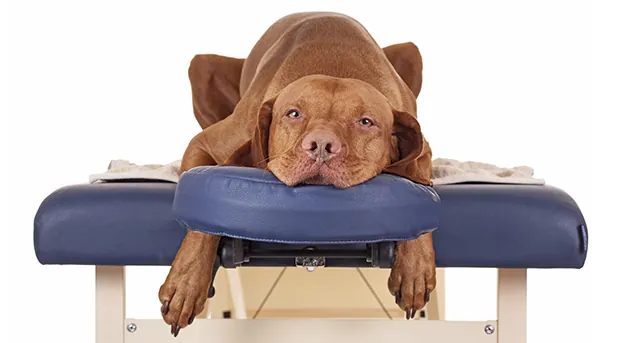
Diagnosing Hip Dysplasia in Dogs
If you suspect your dog has hip dysplasia, it is essential to consult a veterinarian. The diagnosis typically involves:
- Physical Examination: The vet will perform a thorough physical exam, checking for signs of pain, stiffness, and abnormal gait.
- X-Rays: Radiographs are crucial for confirming the diagnosis and assessing the severity of the condition. X-rays can reveal joint laxity, arthritic changes, and the degree of hip joint malformation.
- Palpation: The vet may manipulate the hip joint to assess its stability and range of motion.
- Medical History: Providing the vet with your dog’s medical history, including any symptoms and their onset, can aid in the diagnosis.
Treatment Options for Hip Dysplasia
The treatment for hip dysplasia depends on the severity of the condition and the age and overall health of the dog. Treatment options include:
- Medications: Nonsteroidal anti-inflammatory drugs (NSAIDs) can help reduce pain and inflammation. Other pain relief medications and supplements like glucosamine and chondroitin may also be prescribed.
- Weight Management: Maintaining a healthy weight is crucial for dogs with hip dysplasia. Excess weight can exacerbate the condition and increase pain.
- Exercise and Physical Therapy: Controlled exercise, such as swimming and gentle walks, can help maintain muscle strength and joint flexibility. Physical therapy, including hydrotherapy and laser therapy, can also be beneficial.
- Surgery: In severe cases, surgical intervention may be necessary. Common surgical options include:
- Triple Pelvic Osteotomy (TPO): A procedure performed on young dogs with minimal arthritis, aiming to improve joint stability.
- Femoral Head Ostectomy (FHO): Removal of the femoral head to alleviate pain and improve mobility.
- Total Hip Replacement (THR): Replacing the damaged hip joint with an artificial one, providing significant pain relief and improved function.
Preventing Hip Dysplasia
While genetic predisposition cannot be changed, there are measures you can take to reduce the risk of hip dysplasia in your dog:
- Choose Reputable Breeders: If you’re getting a puppy, choose a breeder who screens their breeding dogs for hip dysplasia and other genetic conditions.
- Maintain a Healthy Weight: Ensure your dog maintains a healthy weight through a balanced diet and regular exercise.
- Proper Nutrition: Feed your dog a high-quality diet appropriate for their age, size, and breed. Avoid overfeeding and ensure a proper balance of nutrients.
- Controlled Exercise: Provide regular, moderate exercise to promote muscle development and joint health without overexerting the dog.
- Regular Vet Check-ups: Routine veterinary visits can help catch early signs of hip dysplasia and other health issues.
See top-rated dog joint supplement on Amazon
This is general information, not a diagnosis. The Merck Veterinary Manual dog-owner pages are a reliable place to read more before you talk with your veterinarian.
For a related health topic, see Brucellosis in Dogs: Understanding, Prevention, and Treatment. That article is also not a substitute for a veterinary exam.
Living with Hip Dysplasia
Living with a dog diagnosed with hip dysplasia requires ongoing management and care. Here are some tips to help your dog live a comfortable life:
- Provide a Comfortable Bed: Ensure your dog has a soft, supportive bed to reduce pressure on their joints.
- Use Ramps and Steps: Minimize jumping by providing ramps or steps for your dog to access furniture or vehicles.
- Massage and Warm Compresses: Gentle massages and warm compresses can help alleviate pain and stiffness.
- Monitor Activity Levels: Adjust your dog’s activity levels based on their comfort and pain levels. Avoid high-impact activities that can worsen the condition.
- Joint Supplements: Consider adding joint supplements to your dog’s diet to support joint health and reduce inflammation.
Hip dysplasia is a challenging condition for both dogs and their owners. However, with proper understanding, early diagnosis, and effective management, dogs with hip dysplasia can lead fulfilling and active lives. By recognizing the symptoms, seeking veterinary care, and implementing preventive measures, you can help your dog maintain their quality of life and minimize the impact of this common canine condition.