Interceptor vs Interceptor Plus: Heartworm Prevention Compared
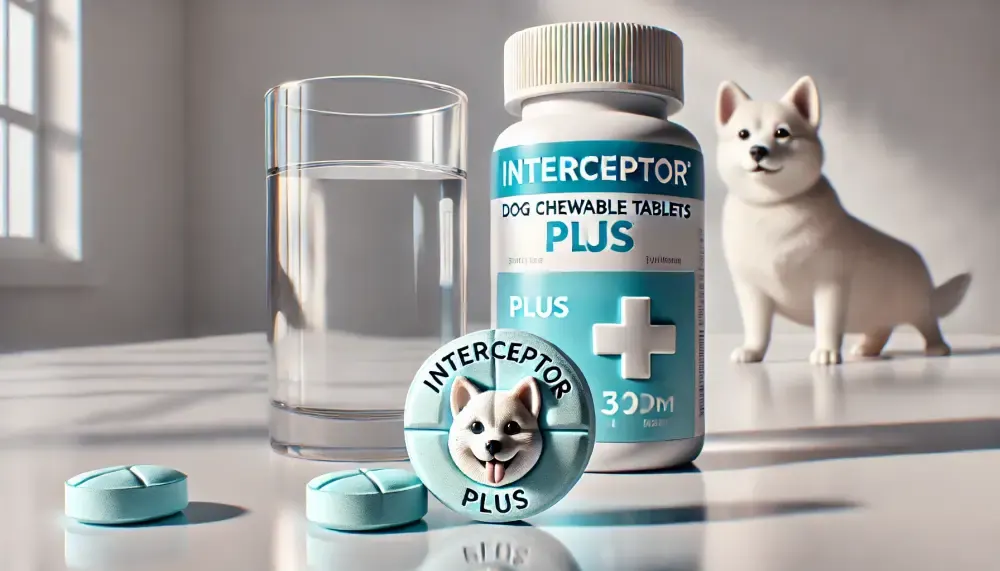
In one line: both are monthly prescription heartworm preventives that also act as dewormers for hookworm, roundworm, and whipworm; Interceptor Plus adds praziquantel for tapeworms.
Interceptor and Interceptor Plus are prescription monthly chewable medicines for dogs, made by Elanco. Both are used to prevent heartworm disease and to treat or control certain intestinal worms. The difference that matters is that Interceptor Plus adds praziquantel, which extends coverage to tapeworms. Neither product is something to start, stop, or dose from an internet article. Your veterinarian should confirm that heartworm prevention is appropriate, that your dog is tested as recommended, and that you are using the correct product and weight band.
This is general information, not a diagnosis. The Merck Veterinary Manual dog-owner pages are a reliable place to read more before you talk with your veterinarian.
When to give heartworm prevention is a veterinary question and can depend on where you live; see what months dogs need heartworm pills.
This is a comparison of publicly described differences, not veterinary advice, and not a recommendation to buy prescription medication online without a valid relationship with a veterinarian. If your dog is already on a preventive, keep that appointment schedule.
Is Interceptor a heartworm medicine, a dewormer, or both?
Both. Interceptor is labeled to prevent heartworm disease and to treat and control adult hookworm, roundworm, and whipworm infections. That is why people search for Interceptor heartworm prevention and Interceptor as a dewormer for dogs. Interceptor Plus covers those same parasites and adds tapeworm treatment with praziquantel. Neither product replaces fecal testing, flea control, or your veterinarian’s advice.
What is Interceptor?
Interceptor (milbemycin oxime) is a monthly chewable used to prevent heartworm disease and to treat and control adult hookworm, roundworm, and whipworm infections in dogs, according to the product’s labeled uses. It does not include a tapeworm medication. Like other heartworm preventives, it is prescribed after your veterinarian has considered testing and your dog’s health history.
What is Interceptor Plus?
Interceptor Plus combines milbemycin oxime with praziquantel. It is also a monthly chewable heartworm preventive, and the added praziquantel is aimed at tapeworm coverage in addition to the intestinal worms Interceptor already addresses. It is a different product, not a “stronger Interceptor” you can substitute on your own.
Key differences
- Ingredients: Interceptor is milbemycin oxime alone. Interceptor Plus is milbemycin oxime plus praziquantel.
- Tapeworms: Plus is the product in this pair that is labeled for tapeworms. If tapeworm coverage is the reason you are comparing them, that is the conversation to have with your veterinarian — including how the dog might have been exposed (for example, fleas or hunting).
- Heartworm and common intestinal worms: Both are monthly preventives in the same family for heartworm and for several other worms. Your vet will still tell you what is needed in your region and for your dog.
- Form: Both are flavored chewables given by mouth once a month. Flavor and acceptance vary by dog.
- Who should not take them: Safety, minimum age and weight, and use in breeding, pregnant, or toy-breed dogs are label and veterinary questions. Some herding-breed dogs can be sensitive to drugs in this class. Do not guess from a forum post.
Effectiveness, testing, and missed doses
Heartworm preventives work when they are given on schedule and when your veterinarian’s testing plan is followed. A missed month is a reason to call the clinic, not to double up on your own. These products prevent heartworm disease; they are not a casual “deworm whenever” plan for every parasite, and they do not replace fecal testing or flea control when those are needed.
Cost and how to obtain them
Prices vary by clinic, pharmacy, and dog weight. Interceptor Plus is often more expensive because it includes an additional drug. The more important issue is a legitimate prescription and a product that has been stored and dispensed properly. We do not link to marketplace sellers for prescription parasite medicines on this page.
Talk to your veterinarian
Bring up your dog’s age, weight, chew habits, travel, flea history, and any past reactions to preventives. Ask which parasites are actually a concern where you live, and whether a different monthly or longer-acting product would be a better fit. If your dog is already doing well on a prescribed preventive, switching “to get more coverage” without advice is not a plan.