Is it Possible to Train a Cat?
For a related behavior question, see How to Train Your Cat to Use The Toilet.
For general feline health context, the Merck Veterinary Manual cat-owner pages are a reliable starting point, and your veterinarian should guide individual decisions.
When most people think about training pets, dogs are usually the first animals that come to mind. They are known for their ability to learn commands, perform tricks, and exhibit obedient behavior. But what about cats? Is it possible to train a cat, or are they too independent and aloof to follow instructions? This article explores the possibilities of cat training, the techniques involved, and the benefits it can bring to both you and your feline friend.
Understanding Feline Behavior
Before exploring training techniques, it’s important to understand a bit about feline behavior. Cats are naturally curious, intelligent, and independent creatures. Unlike dogs, they haven’t been domesticated for tasks like herding or guarding. Instead, they have been valued for their companionship and hunting abilities.
Cats are also known for their strong-willed nature. They do what they want when they want, which can make training seem like a daunting task. However, with patience and the right approach, you can successfully train your cat.
Can You Train a Cat?
The short answer is yes, you can train a cat. However, the process is different from training a dog. Cats respond better to positive reinforcement and gentle persuasion rather than punishment or force. They need motivation, usually in the form of treats, affection, or playtime.
Training a cat requires understanding their motivations and working with their natural instincts. For example, using their love of play or food can be an effective way to encourage desired behaviors.
Basic Cat Training Techniques
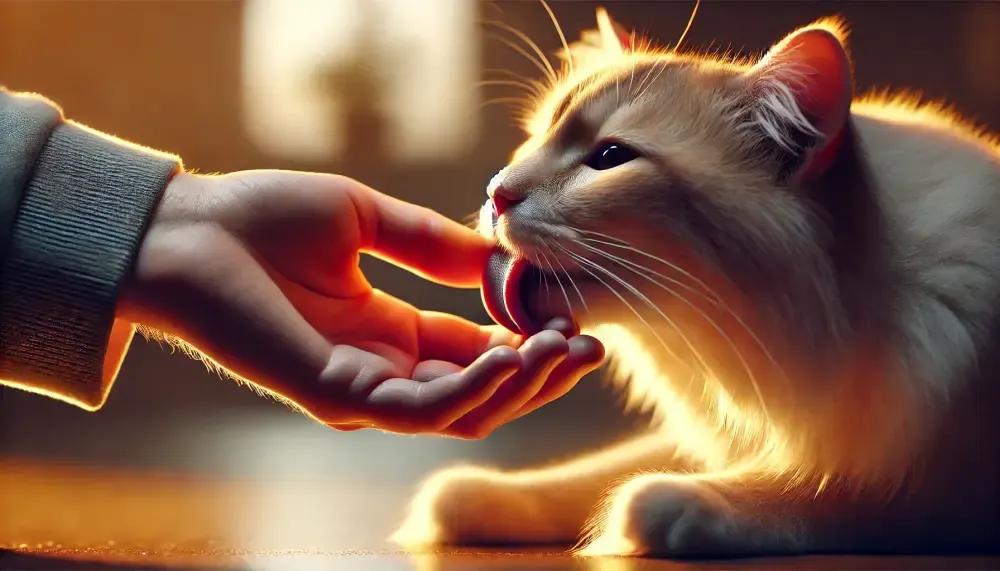
- Positive Reinforcement: Positive reinforcement is the cornerstone of cat training. This technique involves rewarding your cat for performing desired behaviors. Rewards can include treats, petting, or playtime. The key is to immediately reward the behavior you want to reinforce so that your cat makes the connection.
- Clicker Training: Clicker training is a popular method used in both dog and cat training. It involves using a small device that makes a clicking sound to mark the exact moment your cat performs the desired behavior. This sound is then followed by a reward. Over time, your cat will associate the click with a positive outcome, making it easier to train specific behaviors.
- Lure Training: Lure training involves using a treat or toy to guide your cat into performing a specific action. For example, you can use a treat to lure your cat into a sitting position, then reward them once they sit. This method is particularly effective for teaching basic commands like “sit” or “come.”
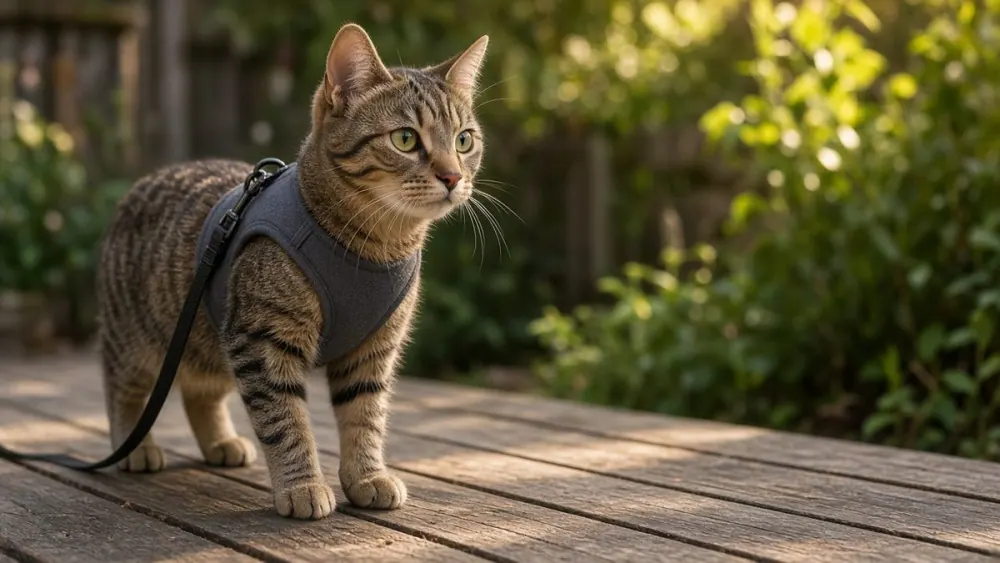
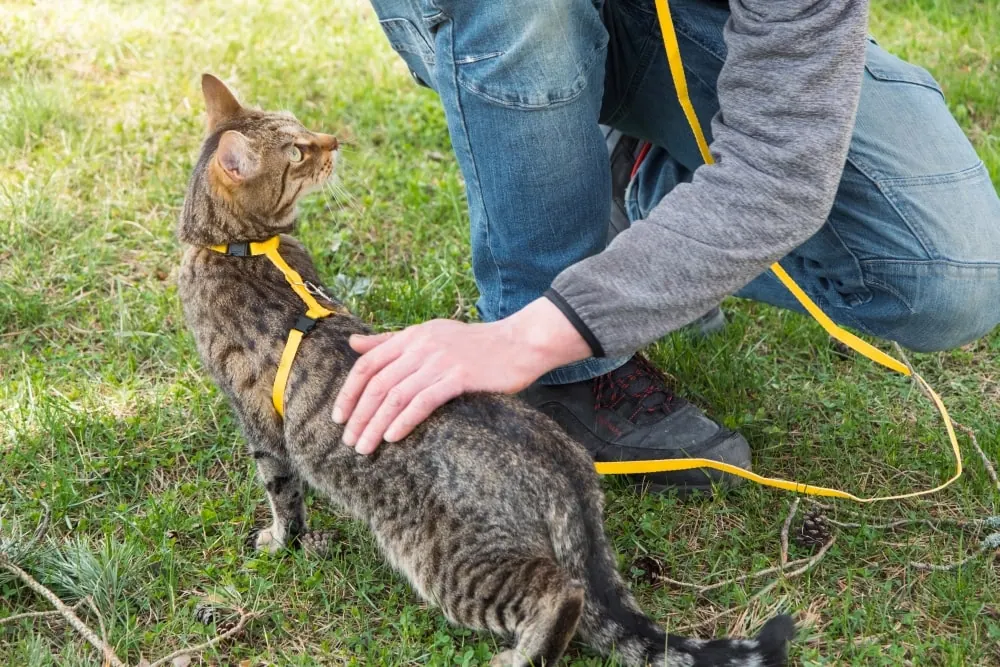
- Target Training: In target training, you teach your cat to touch a specific object, like a stick or your hand, with their nose or paw. This technique can be used to guide your cat through various tricks and behaviors, such as jumping through hoops or walking on a leash.
Training Commands and Tricks
Sit
- Hold a treat close to your cat’s nose.
- Move the treat slowly back over their head.
- As your cat’s head follows the treat, their bottom will naturally lower into a sitting position.
- As soon as they sit, click the clicker (if using one) and give them the treat.
- Repeat until your cat consistently sits on command.
https://www.youtube.com/watch?v=iy7isWuJN\_0&pp=ygUVdHJhaW5pbmcgYSBjYXQgdG8gc2l0
Come
- Start in a quiet, distraction-free environment.
- Call your cat’s name followed by the command “come.”
- Hold out a treat or toy as an incentive.
- When your cat approaches, reward them with the treat or toy.
- Gradually increase the distance and add distractions as your cat becomes more reliable with the command.
https://www.youtube.com/watch?v=bdjEKMsKZ-M&pp=ygUWdHJhaW5pbmcgYSBjYXQgdG8gY29tZQ%3D%3D
High Five
- Hold a treat in your hand and wait for your cat to show interest.
- When your cat raises a paw to reach for the treat, use the command “high five.”
- Reward your cat immediately when they touch your hand with their paw.
- Practice regularly until your cat offers a high five on command.
https://www.youtube.com/watch?v=FxHpBhdBqso&pp=ygUgdHJhaW5pbmcgYSBjYXQgdG8gZ2l2ZSBIaWdoIEZpdmU%3D
Benefits of Training Your Cat
Training your cat has numerous benefits, both for you and your feline companion:
- Mental Stimulation: Training provides mental enrichment for your cat, keeping their mind active and engaged. This can help prevent boredom and associated behavioral issues.
- Strengthened Bond: Training sessions can strengthen the bond between you and your cat. Positive interactions during training build trust and improve your relationship.
- Improved Behavior: Training can help address and prevent undesirable behaviors, such as scratching furniture or aggression. By redirecting your cat’s energy into positive activities, you can create a more harmonious household.
- Enhanced Safety: Teaching commands like “come” or “stay” can enhance your cat’s safety, especially if they are allowed outdoors or need to be quickly removed from a dangerous situation.
Challenges and Tips
Training a cat can be challenging, and it’s important to keep a few key tips in mind:
- Be Patient: Patience is crucial when training a cat. They may not learn as quickly as dogs, and each cat is unique in their responsiveness to training.
- Keep Sessions Short: Cats have short attention spans, so keep training sessions brief, around 5-10 minutes, to prevent frustration for both you and your cat.
- Use High-Value Rewards: Use treats or rewards that your cat finds highly motivating. This could be a special type of treat or a favorite toy.
- Consistency is Key: Consistency is important in training. Use the same commands and reward behaviors promptly to reinforce learning.
- Respect Their Independence: Understand that cats are naturally independent, and forcing them to train can backfire. Make training a fun and positive experience for your cat.
While training a cat may seem like a daunting task, it is entirely possible with the right approach and plenty of patience. By using positive reinforcement, clicker training, and understanding your cat’s motivations, you can teach your feline friend a variety of commands and tricks. The benefits of training extend beyond improved behavior, strengthening the bond between you and your cat and providing mental stimulation. Remember to keep training sessions short, use high-value rewards, and be patient. With time and effort, you’ll find that training your cat is not only possible but also a rewarding experience for both of you.