Laser Declawing in Cats: Benefits, Risks, and Alternatives
We earn from qualifying Amazon purchases. It doesn't change what we recommend.
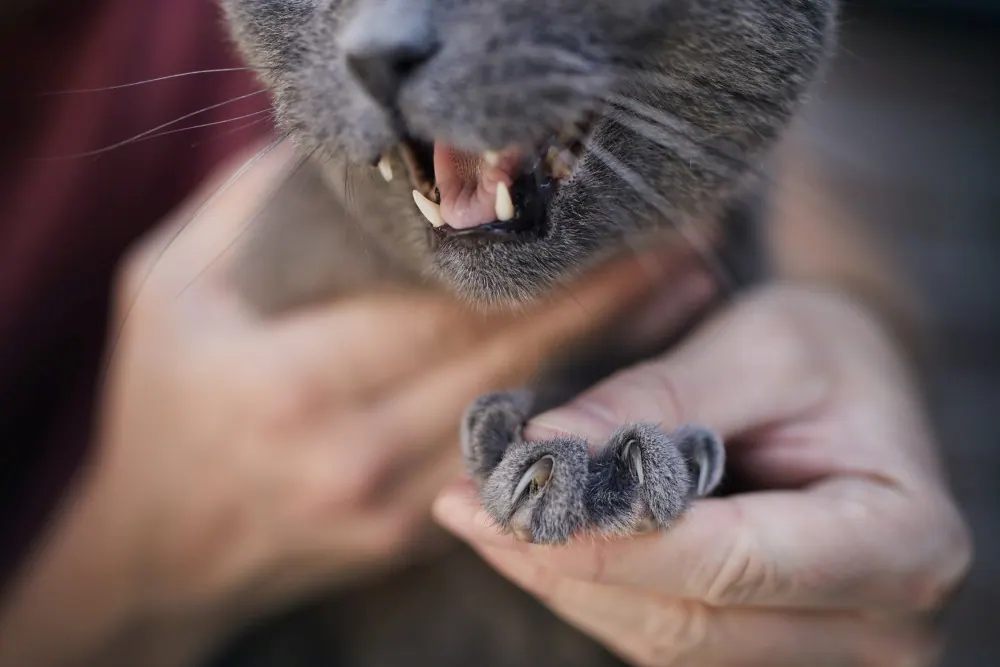
For general feline health context, the Merck Veterinary Manual cat-owner pages are a reliable starting point, and your veterinarian should guide individual decisions.
Laser declawing represents a significant advancement in veterinary surgical procedures, specifically designed for managing the claws of domestic cats. This modern technique has increasingly become a topic of discussion among pet owners and veterinary professionals alike, due to its potential benefits over traditional declawing methods. However, it’s essential to approach the subject with a comprehensive understanding of both its advantages and ethical considerations.
Benefits of Laser Declawing
Laser declawing offers several notable benefits over traditional surgical declawing methods, which typically involve the use of a scalpel or guillotine clipper. These benefits are primarily centered around the well-being of the animal and the efficiency of the procedure.
Reduced Pain and Discomfort
One of the most significant advantages of laser declawing is the reduction in pain and discomfort experienced by the cat. The laser seals nerve endings as it cuts, which minimizes the pain immediately following the surgery. This aspect is crucial for animal welfare, as it ensures a more humane approach to a procedure that is often controversial.
Quicker Recovery Times
Cats that undergo laser declawing typically enjoy quicker recovery times compared to traditional methods. The laser’s ability to cauterize blood vessels as it goes reduces the risk of bleeding and infection, leading to a smoother and faster healing process. This benefit not only aids in the cat’s comfort but also reduces the stress on pet owners and minimizes the duration of post-operative care required.
Less Risk of Complications
The precision of laser technology reduces the likelihood of post-surgical complications. Traditional declawing methods can sometimes lead to long-term issues such as lameness, claw regrowth, and behavioral changes due to pain. The laser method, with its ability to make more accurate and less invasive incisions, lowers the risk of these complications, promoting better long-term outcomes for the cat’s health and mobility.
Reduced Bleeding
The cauterizing effect of the laser minimizes bleeding during the procedure. This not only makes the surgery safer and cleaner but also allows the veterinarian to operate with greater visibility and precision. Reduced bleeding contributes to the overall safety of the procedure, ensuring that risks are kept to a minimum.
No Need for Bandages
In many cases, cats that undergo laser declawing do not require bandages post-surgery. This is due to the reduced bleeding and the nature of the laser’s interaction with tissue. Not having to wear bandages can be more comfortable for the cat, allowing it to resume normal activities more quickly and reducing the risk of infection associated with bandage changes and wound management.
Stress Reduction for Pets and Owners
The combination of reduced pain, quicker recovery, and fewer complications naturally leads to a reduction in stress for both the pet and its owner. Knowing that their cat is undergoing a procedure that minimizes suffering and promotes a swift return to normalcy can ease an owner’s concerns about the decision to declaw.
Ethical Considerations and Alternatives
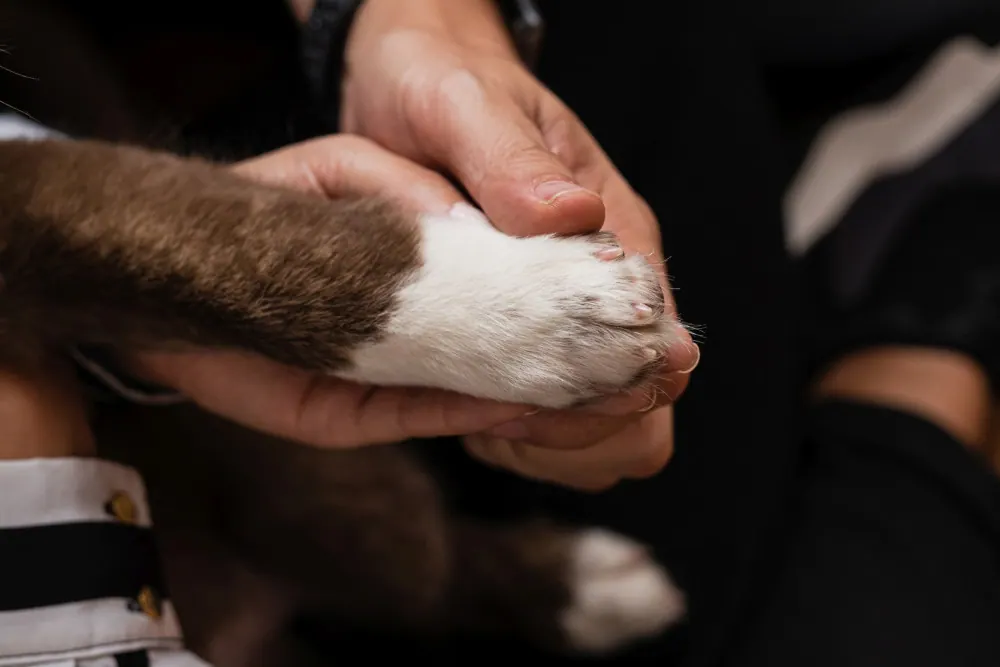
While the benefits of laser declawing are clear, it’s essential to address the ethical considerations surrounding the practice of declawing in general. Critics argue that declawing, regardless of the method used, is an unnecessary mutilation that can affect a cat’s natural behaviors and physical well-being. It’s crucial for pet owners to consider alternatives, such as regular nail trimming, the use of nail caps, and providing adequate scratching posts, before opting for declawing. These alternatives can prevent unwanted scratching behavior without the need for surgery.
Summary
Laser declawing offers a range of benefits that improve upon traditional declawing methods, including reduced pain, quicker recovery times, and fewer complications. However, the decision to declaw a cat using any method should not be taken lightly. Pet owners should thoroughly discuss all options with their veterinarian, considering the well-being and quality of life of their feline friend above all. Laser declawing represents a significant advancement in veterinary technology, but it is only one of many considerations in the complex discussion of feline claw management.