Lyme Disease in Dogs

Lyme disease, a tick-borne illness caused by the bacteria Borrelia burgdorferi, is a concern for humans and dogs alike. In dogs, Lyme disease can lead to serious health issues, including joint pain, kidney problems, and even fatal complications if left untreated. As a responsible pet owner, understanding Lyme disease’s signs, treatment options, and preventive measures is crucial for safeguarding your dog’s health. This comprehensive article explores the intricacies of Lyme disease in dogs, offering insights into its symptoms, diagnosis, treatment, and preventive strategies to help keep your canine companion healthy and happy.
As an Amazon Associate, we earn from qualifying purchases.
Understanding Lyme Disease in Dogs
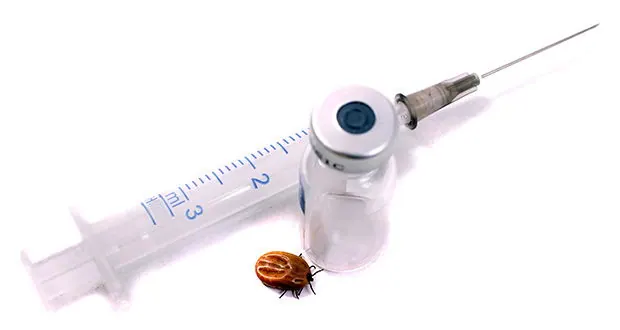
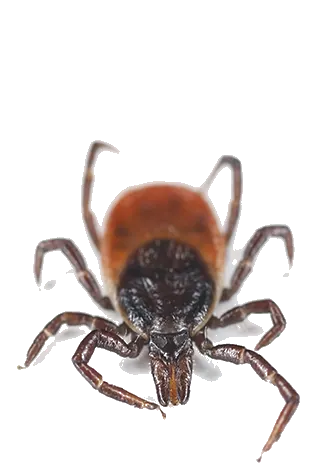
Lyme disease is transmitted to dogs through the bite of an infected black-legged tick, commonly known as the deer tick. These ticks are minuscule, making them challenging to spot, and they must be attached to the dog for at least 24-48 hours to transmit the disease. Not all dogs that are bitten by an infected tick will develop Lyme disease, as the dog’s immune system plays a significant role in determining the outcome.
Symptoms of Lyme Disease in Dogs
The symptoms of Lyme disease in dogs can be elusive and may not appear until several months after the tick bite. Common signs include:
- Fever
- Lethargy
- Joint swelling and pain
- Lameness that may shift from one leg to another
- Loss of appetite
- Swollen lymph nodes
In severe cases, Lyme disease can cause kidney problems, heart disorders, and neurological issues. If you notice any of these symptoms in your dog, especially if they have been in a tick-prone area, it is crucial to consult your veterinarian immediately.
Diagnosing Lyme Disease in Dogs
Diagnosing Lyme disease involves a combination of physical examination, the dog’s history of possible tick exposure, and specific diagnostic tests. The most common tests include the enzyme-linked immunosorbent assay (ELISA) and the Western blot test, which detect antibodies against Borrelia burgdorferi in the dog’s blood. However, a positive test does not necessarily mean the dog is currently suffering from Lyme disease, as antibodies can persist long after the infection has been cleared or in cases where the dog has been exposed but not affected by the disease.
Treatment of Lyme Disease in Dogs
The primary treatment for Lyme disease in dogs is antibiotics, usually doxycycline, administered for at least four weeks. Some dogs may require longer treatment periods, especially if the disease has progressed significantly. In addition to antibiotics, your vet may recommend pain relief medications to alleviate joint pain and inflammation. It’s imperative to follow the treatment plan as prescribed by your vet and to complete the full course of antibiotics even if your dog seems to be improving before the medication is finished.

Preventing Lyme Disease in Dogs
Prevention is the best approach to protect your dog from Lyme disease. Here are some effective strategies:
- Tick Prevention: Use vet-recommended tick prevention products year-round, such as topical treatments, oral medications, or tick collars.
- Vaccination: There are vaccines available for Lyme disease. Discuss with your veterinarian whether vaccination is appropriate for your dog based on their risk of exposure.
- Regular Tick Checks: After walks or time spent in grassy or wooded areas, check your dog thoroughly for ticks. Pay special attention to the head, neck, ears, and feet.
- Environment Management: Keep your yard trimmed and free from tall grasses and brush where ticks are likely to hide. Consider using pet-safe pesticides to reduce tick populations in your yard.
See top-rated tick prevention on Amazon
This is general information, not a diagnosis. The Merck Veterinary Manual dog-owner pages are a reliable place to read more before you talk with your veterinarian.
Summary
Lyme disease in dogs is a serious health concern that requires awareness and proactive management. By recognizing the symptoms, seeking timely veterinary care, and employing preventive measures, you can significantly reduce your dog’s risk of contracting this disease. Remember, the best defense against Lyme disease is a good offense—prioritize tick prevention, regular veterinary check-ups, and maintain a vigilant eye for any signs of illness in your beloved pet. Together, you can enjoy many healthy and happy years free from the worries of Lyme disease.