Pyoderma in Dogs – Symptoms, Treatment, and Prevention
We earn from qualifying Amazon purchases. It doesn't change what we recommend.
This is general information, not a diagnosis. The Merck Veterinary Manual dog-owner pages are a reliable place to read more before you talk with your veterinarian.
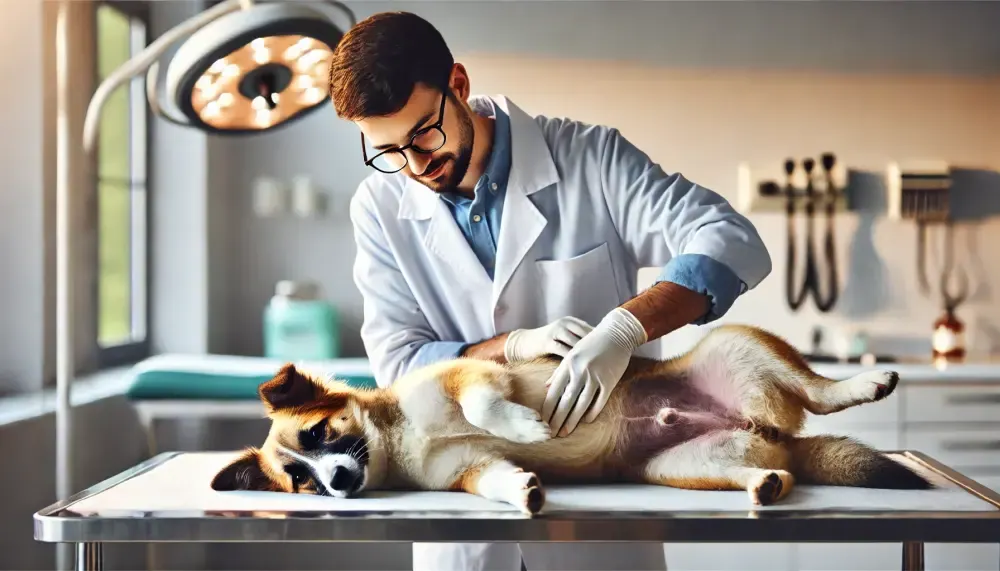
Pyoderma is a term that describes a bacterial skin infection in dogs that is both common and treatable. Characterized by pus-filled blisters, redness, itchiness, and sometimes hair loss, pyoderma can cause significant discomfort for affected dogs. This condition can be superficial, affecting only the top layers of the skin, or deep, which affects deeper layers. Understanding the nuances of pyoderma, including its causes, symptoms, treatments, and prevention strategies, is essential for pet owners to ensure their furry friends maintain healthy, happy lives.
Causes of Pyoderma in Dogs
The primary cause of pyoderma in dogs is a bacterial infection, with Staphylococcus pseudintermedius being the most common culprit. However, pyoderma is rarely a primary disease; it often arises secondary to other underlying conditions that compromise the skin’s natural defenses. These conditions include:
- Allergies (food, flea, environmental)
- Endocrine disorders (hypothyroidism, Cushing’s disease)
- Parasitic infestations (mites, fleas)
- Poor nutrition
- Immunodeficiency disorders
Recognizing and addressing these underlying issues is crucial in managing and preventing pyoderma in dogs.
Symptoms of Pyoderma in Dogs
The symptoms of pyoderma can vary depending on the severity and depth of the infection. Common signs include:
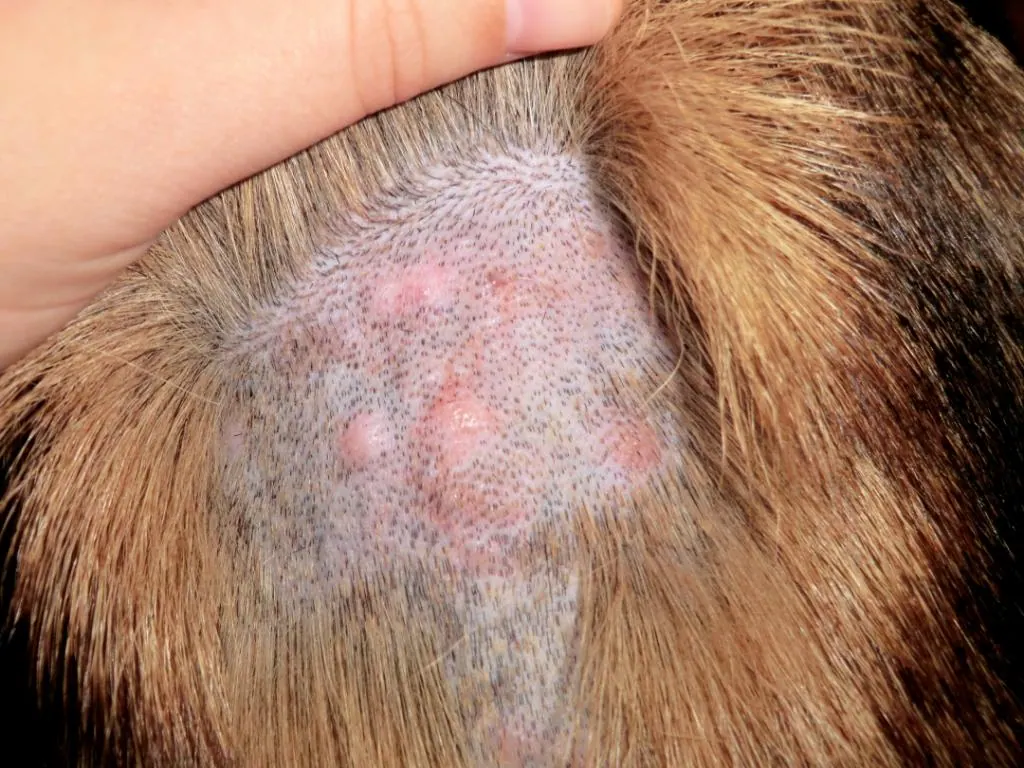
- Pustules or pus-filled blisters
- Red, inflamed skin
- Itchiness, leading to excessive scratching or licking
- Crusting and scaling
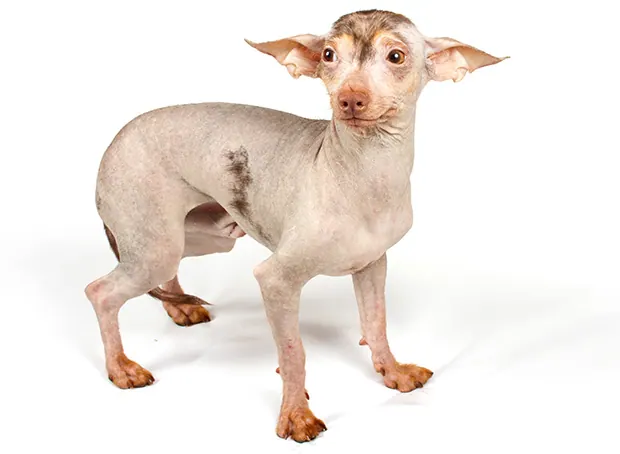
- Hair loss
- Odor emanating from the skin
In cases of deep pyoderma, dogs may also exhibit signs of systemic illness such as fever, lethargy, and loss of appetite.
Diagnosis of Pyoderma in Dogs
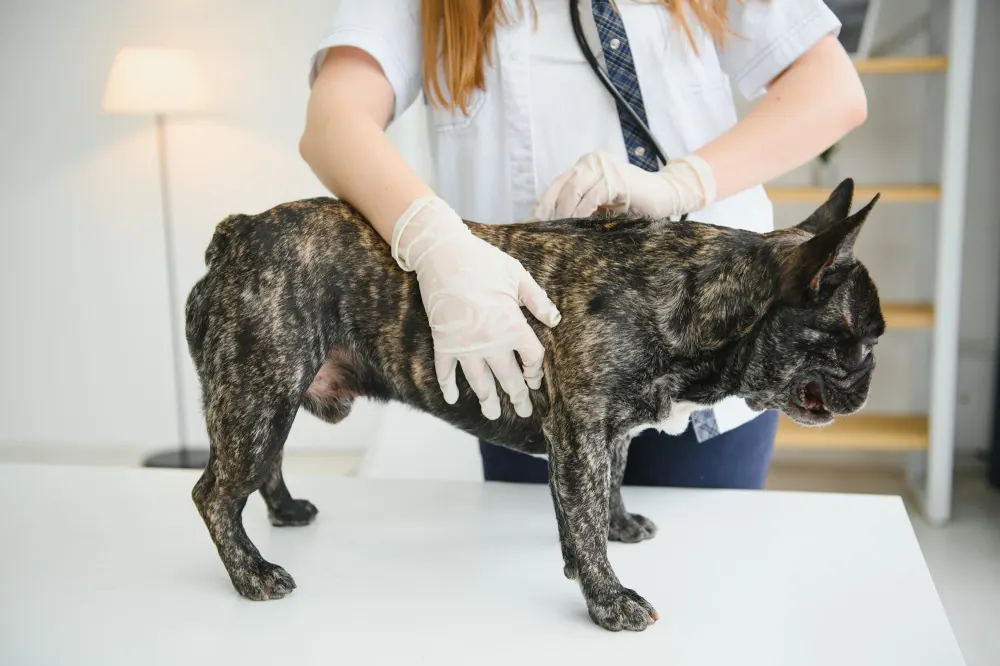
Diagnosis of pyoderma typically involves a thorough physical examination by a veterinarian. The vet may also recommend certain diagnostic tests, including:
- Skin cytology to identify bacteria and determine if there’s a yeast component
- Culture and sensitivity tests to identify the specific bacteria involved and their antibiotic sensitivities
- Blood tests to rule out or diagnose underlying conditions that may predispose the dog to pyoderma
Treatment Options for Pyoderma in Dogs
The treatment of pyoderma in dogs typically involves a multifaceted approach that addresses both the bacterial infection and any underlying conditions contributing to the skin’s vulnerability. The mainstay treatments include:
Antibiotics
Antibiotics are the cornerstone of pyoderma treatment. The choice of antibiotic may be guided by culture and sensitivity results to ensure effectiveness against the specific bacteria causing the infection. Treatment duration is usually several weeks and should continue for at least one week beyond the resolution of visible symptoms to ensure the infection is thoroughly eradicated.
Topical Treatments
In addition to systemic antibiotics, topical treatments play a crucial role, especially in cases of superficial pyoderma. These may include medicated shampoos, ointments, and sprays that contain antibacterial and antifungal agents. Regular bathing with medicated shampoos can help remove scabs and debris, promoting healing.
Addressing Underlying Causes
Identifying and managing any underlying issues is vital to prevent recurrence. This may involve switching to a hypoallergenic diet for food allergies, improving flea control measures, or managing hormonal imbalances.
Immune Modulation
In some cases, especially where there is an underlying immunodeficiency, veterinarians may recommend treatments that help modulate the immune system to better fight off infections.
Pain and Itch Relief
Medications or supplements that relieve itching and discomfort can help prevent further skin damage caused by scratching or biting. These can include antihistamines, omega-3 fatty acid supplements, and corticosteroids for severe cases.
Prevention of Pyoderma in Dogs
Preventing pyoderma involves maintaining healthy skin and promptly addressing any conditions that could predispose a dog to skin infections. Key preventive measures include:
- Regular grooming and bathing with mild shampoos to keep the skin clean and remove potential irritants.
- Ensuring a balanced diet rich in essential nutrients to support skin health.
- Prompt treatment of parasites, allergies, and hormonal imbalances.
- Regular veterinary check-ups to catch and treat any underlying health issues early.
Conclusion
Pyoderma in dogs is a manageable condition with timely and appropriate care. Understanding its causes, recognizing its symptoms, and implementing effective treatment and preventive measures can help keep your dog’s skin healthy and infection-free. If you suspect your dog has pyoderma, consult a veterinarian for a proper diagnosis and treatment plan tailored to your pet’s specific needs. By working closely with your vet, you can ensure your dog lives a comfortable and happy life despite the challenges of skin infections.