Ringworm in Cats: A Contagious Fungus That Needs a Vet
Ringworm in cats is a fungal infection of the skin, hair, or nails, not a worm. It is contagious to other pets and to people, especially children and anyone with a weaker immune system. A circular bald patch is a clue, not a diagnosis: other skin problems can look similar, and some cats carry the fungus with only subtle signs. Diagnosis and treatment belong with a veterinarian. Do not start leftover human antifungal creams, essential oils, or bleach baths as a home protocol.
For general feline health context, the Merck Veterinary Manual cat-owner pages are a reliable starting point, and your veterinarian should guide individual decisions.
While you wait for a plan, limit close contact, wash your hands, and ask the clinic how to handle bedding and grooming tools. A comfortable cat still needs its usual complete diet; see best canned cat food if appetite is off, and call the vet back if the skin worsens or people in the house develop a rash.
Ringworm, despite its name, is not caused by a worm but by a fungal infection affecting the skin, hair, and nails of cats. This common and highly contagious condition can lead to significant discomfort for your feline companion and can spread rapidly to other pets and humans. Understanding the symptoms, causes, and treatment options for ringworm in cats is crucial for effective management and prevention.
Symptoms of Ringworm in Cats
Recognizing the symptoms of ringworm in cats is the first step toward effective treatment. The signs can vary depending on the severity of the infection, but common indicators include:
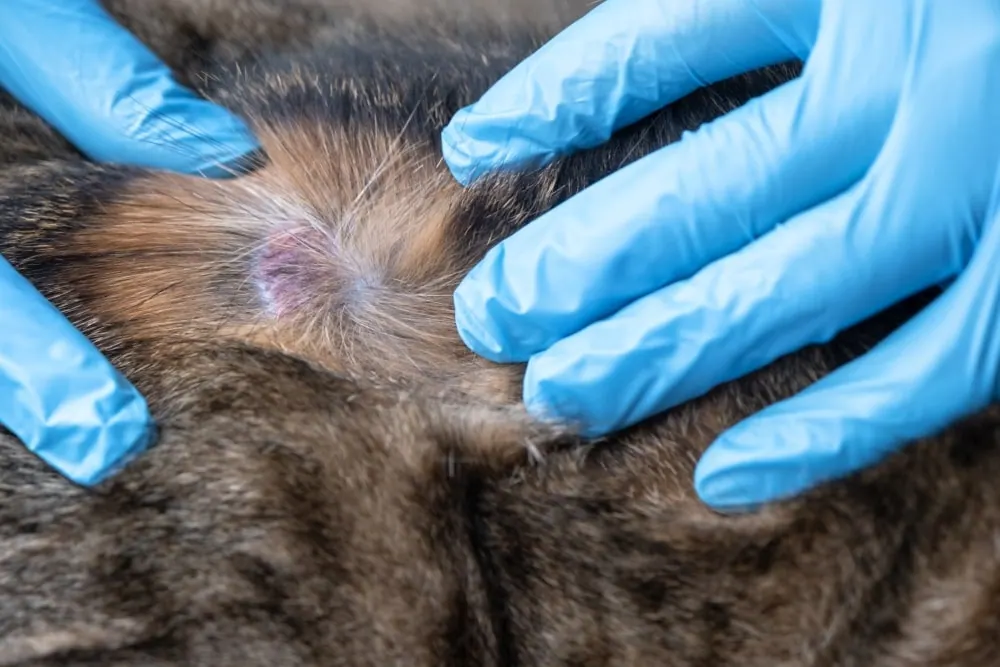
- Circular Patches of Hair Loss: One of the hallmark signs of ringworm is the appearance of circular, bald patches on a cat’s skin. These areas often appear red, scaly, and inflamed.
- Itching and Irritation: Cats with ringworm may frequently scratch or lick the affected areas, leading to further irritation and potential secondary infections.
- Brittle or Broken Hairs: Infected hairs become weak and brittle, often breaking off easily. This can contribute to the patchy hair loss associated with ringworm.
- Scaly or Crusty Skin: The skin around the infected area may become scaly or develop a crusty texture. This is a direct result of the fungal infection and can lead to further skin damage if left untreated.
- Reddened or Darkened Skin: In some cases, the skin may become red or darkened, particularly in the center of the infected area.
Causes of Ringworm in Cats
Ringworm is caused by a group of fungi known as dermatophytes. The most common species affecting cats are Microsporum canis, Microsporum gypseum, and Trichophyton mentagrophytes. These fungi thrive in warm, humid environments and can spread through direct contact with an infected animal or contaminated objects such as bedding, grooming tools, or furniture.
Several factors can increase a cat’s risk of contracting ringworm, including:
- Age: Kittens and young cats are more susceptible to ringworm due to their developing immune systems. Older cats with weakened immune systems are also at higher risk.
- Environment: Cats living in crowded or unsanitary conditions, such as shelters or catteries, are more likely to contract and spread ringworm.
- Stress: Stress can weaken a cat’s immune system, making it more vulnerable to infections. Factors such as recent surgery, illness, or changes in the home environment can contribute to increased stress levels.
- Underlying Health Issues: Cats with underlying health problems, particularly those that compromise the immune system, are more prone to developing ringworm.
Diagnosing Ringworm in Cats
If you suspect your cat has ringworm, it’s essential to seek veterinary care for an accurate diagnosis. Several methods can be used to diagnose ringworm, including:
- Wood’s Lamp Examination: A Wood’s lamp emits ultraviolet light, which can cause some species of dermatophytes to fluoresce, making them easier to identify.
- Microscopic Examination: A sample of hair or skin scraping can be examined under a microscope to identify fungal spores or hyphae.
- Fungal Culture: A more definitive method involves culturing a sample of hair or skin to identify the specific type of fungus causing the infection. This method can take several weeks to yield results.
Treatment of Ringworm in Cats
Treating ringworm in cats requires a multi-faceted approach to eliminate the infection and prevent its spread. Treatment options include:
- Topical Antifungal Medications: Medicated shampoos, creams, or ointments containing antifungal agents can be applied directly to the affected areas. These products help to kill the fungus and soothe irritated skin.
- Oral Antifungal Medications: In more severe cases, oral antifungal drugs such as itraconazole or terbinafine may be prescribed. These medications help to eliminate the infection from within the body.
- Environmental Decontamination: Because ringworm spores can survive in the environment for months, it’s crucial to thoroughly clean and disinfect the home. Regular vacuuming, washing bedding, and using a diluted bleach solution on surfaces can help to reduce the risk of reinfection.
- Isolation: Infected cats should be isolated from other pets and humans, particularly those with weakened immune systems, to prevent the spread of the infection.
Preventing Ringworm in Cats
Preventing ringworm involves taking steps to reduce your cat’s exposure to the fungi that cause the infection. Effective prevention strategies include:
- Maintaining a Clean Environment: Regularly cleaning and disinfecting your home, particularly areas where your cat spends a lot of time, can help to reduce the presence of ringworm spores.
- Regular Grooming: Regular grooming helps to remove loose hairs and debris that can harbor fungal spores. Using clean grooming tools and regularly washing your cat’s bedding can also help to prevent infection.
- Minimizing Stress: Reducing stress levels through environmental enrichment and maintaining a stable routine can help to keep your cat’s immune system strong.
- Regular Health Checks: Routine veterinary check-ups can help to identify and address any health issues before they become serious, reducing the risk of ringworm and other infections.
Ringworm in cats is a common but manageable condition. By understanding the symptoms, causes, and treatment options, you can take proactive steps to protect your feline friend from this uncomfortable and contagious infection. If you suspect your cat has ringworm, seeking prompt veterinary care is essential for effective treatment and prevention. With the right care and precautions, you can ensure your cat stays healthy and ringworm-free. By addressing ringworm promptly and effectively, you can safeguard not only your cat’s health but also the well-being of other pets and family members. Staying informed and vigilant is key to managing and preventing this troublesome infection.