Sneezing and Excessive Sneezing in Cats
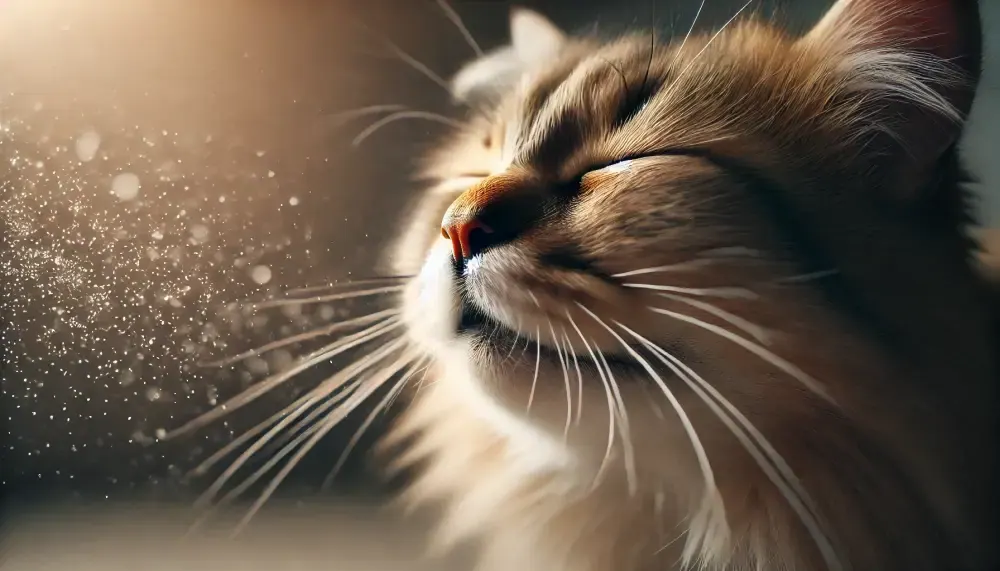
Cats, with their graceful movements and elegant presence, often capture our hearts with their behaviors. One such behavior that might catch your attention is sneezing. While an occasional sneeze is common and generally harmless, excessive sneezing in cats can be a sign of an underlying health issue that requires attention. This article delves into the reasons behind sneezing in cats, what could cause it, and when it’s time to consult a veterinarian.
As an Amazon Associate, we earn from qualifying purchases.
Why Do Cats Sneeze?
Sneezing is a reflexive action caused by the irritation of the nasal passages. Just like in humans, a sneeze is a way for a cat’s body to expel irritants from its nasal cavity. While a single sneeze might be triggered by something as simple as dust or a tickle in the nose, frequent sneezing may suggest a more significant issue.
Common Causes of Sneezing in Cats:
-
Environmental Irritants:
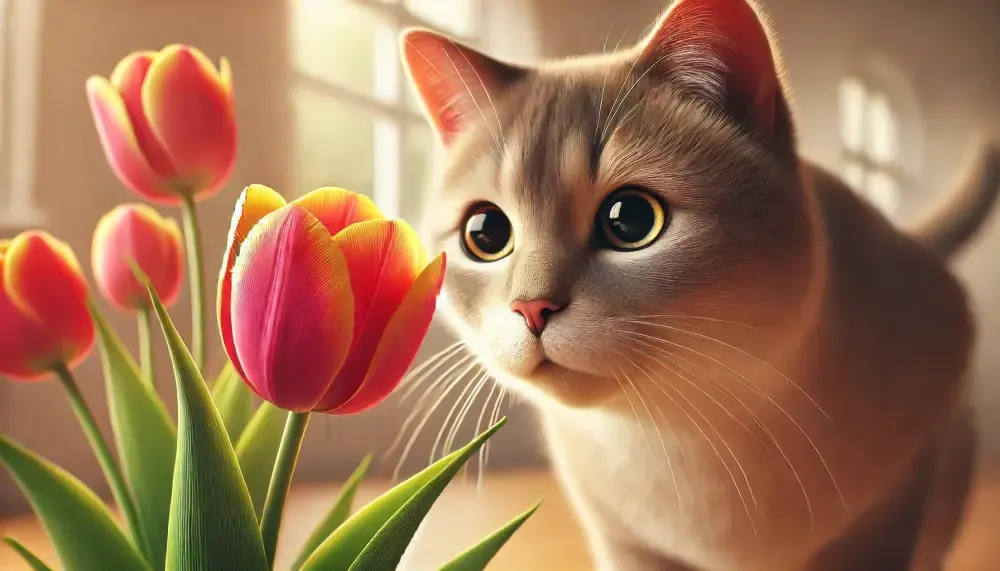
- Dust, pollen, smoke, perfumes, and cleaning chemicals can irritate a cat’s nasal passages, leading to sneezing. If your cat has suddenly started sneezing, consider if there have been any changes in their environment, such as new cleaning products or blooming plants.
-
Foreign Bodies:
- Sometimes, a small object like a blade of grass or a piece of food might get lodged in a cat’s nasal passage, causing irritation and sneezing. This is usually accompanied by pawing at the nose or excessive nasal discharge.
-
Respiratory Infections:
- Viral, bacterial, or fungal infections are common causes of sneezing in cats. Feline herpesvirus (FHV) and feline calicivirus (FCV) are two of the most prevalent viral infections that can cause sneezing. These infections often come with additional symptoms such as watery eyes, nasal discharge, and fever.
-
Allergies:
- Just like humans, cats can have allergies. Common allergens include pollen, mold, dust mites, and certain foods. Allergic reactions can cause a range of symptoms, including sneezing, itching, and skin irritation.
-
Dental Problems:
- Dental issues such as tooth abscesses can lead to sneezing, especially if the infection spreads to the nasal passages. If your cat is sneezing and showing signs of dental pain (like reluctance to eat or bad breath), a dental check-up might be in order.
-
Nasal Tumors:
- Although less common, nasal tumors can be a cause of chronic sneezing in older cats. These may also cause nasal discharge, often tinged with blood.
When is Sneezing a Concern?
An occasional sneeze here and there is typically nothing to worry about. However, if your cat is sneezing frequently or displaying other symptoms, it might be time to investigate further.
Signs that Require Veterinary Attention:
- Persistent Sneezing: If your cat is sneezing multiple times a day for several days, it’s essential to determine the cause.
- Nasal Discharge: Clear, yellow, green, or bloody discharge from the nose can indicate an infection or other health issue.
- Eye Discharge: Watery, red, or swollen eyes, particularly if accompanied by sneezing, might indicate an upper respiratory infection.
- Loss of Appetite: If your cat is also eating less or seems uninterested in food, this could suggest a more severe health problem.
- Lethargy: Cats that are less active than usual or seem overly tired may be experiencing illness.
- Breathing Difficulty: Wheezing, labored breathing, or open-mouth breathing are all red flags and warrant immediate veterinary attention.
Diagnosing the Cause of Sneezing in Cats
If your cat’s sneezing is persistent or accompanied by other concerning symptoms, a visit to the veterinarian is necessary. The vet will likely perform a physical examination and may suggest additional tests such as:
- Blood Tests: To check for infections or underlying health issues.
- Nasal Swabs: To identify specific bacteria or viruses.
- X-rays or CT Scans: To examine the nasal passages and sinuses more closely, particularly if tumors or foreign bodies are suspected.
- Allergy Testing: If allergies are suspected, your vet might recommend allergy testing to determine the specific allergens affecting your cat.
Treatment Options
The treatment for a sneezing cat will depend on the underlying cause. Here are some common treatments based on the diagnosis:
- Environmental Management: If sneezing is caused by irritants like dust or smoke, removing or reducing exposure to these triggers is the best approach. Consider using air purifiers and avoiding strong scents or harsh cleaning chemicals.
- Medications: For infections, your vet might prescribe antibiotics, antivirals, or antifungal medications. In the case of allergies, antihistamines or corticosteroids might be recommended to reduce symptoms.
- Surgery: In rare cases where tumors or severe dental problems are the cause, surgery might be necessary to resolve the issue.
- Home Care: Ensure your cat has a clean, warm, and stress-free environment. Keep their nasal passages clear by gently wiping away any discharge with a damp cloth.
Check price on Amazon: MOOKA Air Purifier for Home Bedroom up to 1200 Ft², H13 HEPA Filter, White
For general feline health context, the Merck Veterinary Manual cat-owner pages are a reliable starting point, and your veterinarian should guide individual decisions.
Preventing Sneezing in Cats
While it’s not always possible to prevent every cause of sneezing, there are steps you can take to reduce the risk:
- Regular Vet Check-ups: Regular health check-ups can catch potential issues early, before they become serious.
- Vaccinations: Ensure your cat is up to date on vaccinations, particularly for common respiratory viruses like FHV and FCV.
- Healthy Environment: Maintain a clean living space, free from excessive dust, smoke, and other irritants. Use pet-safe cleaning products and avoid smoking around your cat.
- Dental Care: Regular dental check-ups and cleanings can prevent oral health issues that might lead to sneezing.
Sneezing in cats can be caused by a variety of factors, ranging from minor irritations to more serious health concerns. While an occasional sneeze is generally harmless, excessive or persistent sneezing should not be ignored. By understanding the potential causes and seeking timely veterinary care, you can ensure your feline friend remains healthy and comfortable.
Remember, always consult with a veterinarian if you’re unsure about your cat’s symptoms or health. Your quick action can make all the difference in their well-being.