Soloxine for Dogs: Understanding Its Benefits and Uses
Related reading: Tramadol for Dogs: Uses, Dosage, Side Effects, and Safety.
For general pet-health questions, the AVMA pet-owner resources are a reliable starting point, and your veterinarian should guide individual decisions.
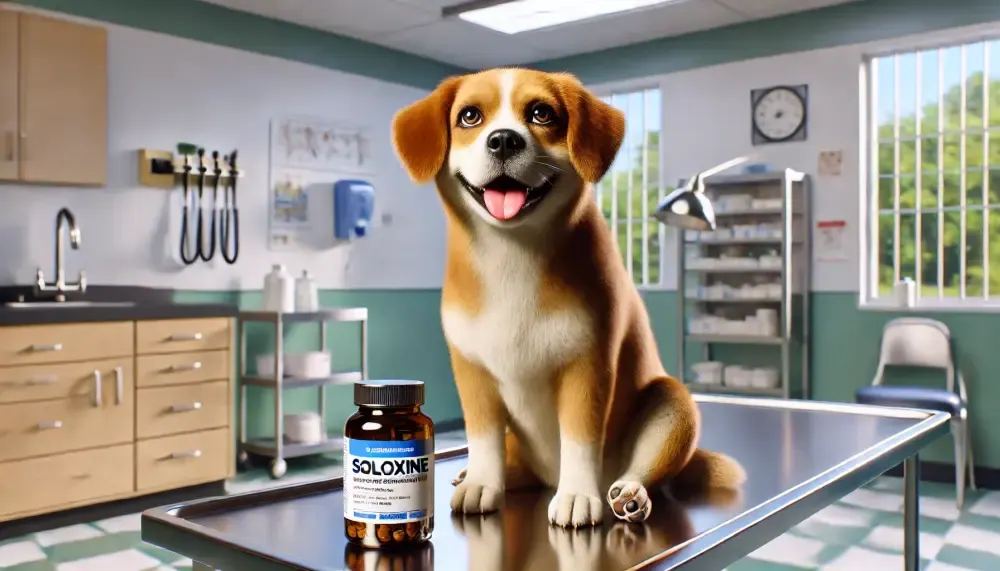
Soloxine is a popular medication used to treat hypothyroidism in dogs. Hypothyroidism is a condition where a dog’s thyroid gland does not produce enough hormones, leading to a variety of health issues. If your furry friend has been diagnosed with this condition, Soloxine could be the key to improving their quality of life.
What Is Soloxine?
Soloxine is a synthetic form of levothyroxine, a hormone naturally produced by the thyroid gland. This medication helps supplement the deficiency of thyroid hormones in dogs with hypothyroidism, effectively restoring their hormone levels to normal. It is administered orally, typically in the form of tablets, and is designed to mimic the function of naturally occurring thyroid hormones.
Why Do Dogs Need Soloxine?
Hypothyroidism in dogs is a condition that affects the metabolism and can lead to symptoms such as:
- Weight gain
- Lethargy and lack of energy
- Hair loss and dry skin
- Intolerance to cold
- Behavioral changes
By administering Soloxine, you can help regulate your dog’s thyroid hormone levels, effectively reversing these symptoms and restoring their energy and vitality. This medication can make a significant difference in your dog’s overall well-being, allowing them to return to a more active and healthy lifestyle.
How to Administer Soloxine to Your Dog
Administering Soloxine is straightforward, and the medication is usually given twice a day. However, it’s important to follow your veterinarian’s guidance on the proper dosage and administration. Here’s a step-by-step guide on how to give Soloxine to your dog:
- Follow the Prescribed Dosage: Your vet will determine the correct dosage based on your dog’s weight, age, and severity of hypothyroidism. Ensure you strictly follow this dosage.
- Give It on an Empty Stomach: For optimal absorption, Soloxine should be given on an empty stomach, at least 1 hour before or 3 hours after meals.
- Avoid Missing Doses: Consistency is key to managing hypothyroidism, so try to administer the medication at the same time every day.
- Monitor for Any Side Effects: While Soloxine is generally safe, watch for any signs of side effects, such as increased thirst, urination, or restlessness, and consult your vet if any of these occur.
Understanding the Correct Dosage
The correct dosage of Soloxine can vary widely from one dog to another, making it crucial to have your veterinarian guide you through this process. Dosage is usually based on your dog’s weight, and adjustments might be necessary as treatment progresses. Commonly, vets start with a low dose and gradually increase it, monitoring your dog’s response through blood tests.
Possible Side Effects of Soloxine
While Soloxine is generally considered safe, there are potential side effects to be aware of. These side effects are often related to an overdose or your dog’s sensitivity to the medication. Some of the possible side effects include:
- Increased heart rate
- Excessive thirst and urination
- Hyperactivity or restlessness
- Vomiting or diarrhea
- Weight loss
If you notice any of these symptoms, contact your veterinarian immediately, as they may need to adjust your dog’s dosage. Regular blood tests will help monitor your dog’s thyroid levels and ensure that the dosage remains safe and effective.
How Long Does It Take for Soloxine to Work?
The effects of Soloxine are often noticeable within a few weeks of starting the treatment. You may observe improvements in your dog’s energy levels, coat quality, and overall mood. However, it might take a couple of months for the full benefits to become apparent, as the body gradually adjusts to the hormone supplementation.
Can Soloxine Be Used Long-Term?
Yes, Soloxine is designed for long-term use and is often a lifelong treatment for dogs with hypothyroidism. Since this condition is typically chronic, ongoing medication is required to keep the thyroid hormone levels balanced. Regular vet check-ups and blood tests are essential to monitor your dog’s health and adjust the dosage if necessary.
Tips for Managing Hypothyroidism in Dogs
Managing hypothyroidism isn’t just about administering Soloxine; there are other steps you can take to improve your dog’s overall health:
- Balanced Diet: Ensure your dog is eating a healthy, balanced diet to support their metabolism and overall health.
- Regular Exercise: Keep your dog active with regular walks and playtime, as this helps manage weight gain and improves their energy levels.
- Routine Vet Visits: Regular veterinary check-ups are essential for monitoring your dog’s thyroid levels and adjusting their medication as needed.
Frequently Asked Questions About Soloxine
Q: Can I Stop Giving My Dog Soloxine Once They Start Feeling Better?
No, it’s important to continue administering Soloxine even if your dog’s symptoms improve. Stopping the medication could cause their hypothyroidism symptoms to return. Always consult your veterinarian before making any changes to the treatment plan.
Q: Are There Alternatives to Soloxine for Treating Hypothyroidism in Dogs?
Yes, there are other thyroid medications available, such as Thyro-Tabs and Levocrine. However, Soloxine is one of the most commonly prescribed options due to its effectiveness and reliability. Your veterinarian can advise on the best medication for your dog’s specific needs.
Q: Can I Give Soloxine to My Dog with Other Medications?
Soloxine can interact with certain medications, so it’s crucial to inform your vet about any other medications or supplements your dog is taking. This will help avoid any potential complications or reduced effectiveness of the treatment.
Soloxine is a highly effective medication for managing hypothyroidism in dogs, helping them regain their energy, maintain a healthy weight, and improve their coat condition. By following your veterinarian’s guidance and administering the medication correctly, you can ensure that your furry friend enjoys a happy and healthy life.
Always monitor your dog for any changes and consult your vet if you have concerns about the treatment. With the right care and management, your dog can thrive and live a comfortable life, even with a thyroid condition.


