Do Something Good – The Nuts and Bolts of Animal Shelter Volunteering
For general pet-health questions, the AVMA pet-owner resources are a reliable starting point, and your veterinarian should guide individual decisions.
Volunteering at an animal shelter can be a deeply rewarding experience. Whether you’re an animal lover looking to give back to the community or someone seeking a meaningful way to spend free time, the world of animal shelter volunteering offers a range of opportunities to make a real difference. This guide will walk you through the what, why, and how of volunteering at animal shelters, helping you to understand the roles available, the commitments involved, and the profound impact your help can have on the lives of animals in need.
Why Volunteer at Animal Shelters?
Animal shelters play a crucial role in the care and rehabilitation of homeless and abandoned animals. These facilities often operate on tight budgets and rely heavily on the support of volunteers to carry out their mission. Here are some reasons why volunteering at an animal shelter can be a fulfilling choice:
- Make a Direct Impact: Every minute you spend volunteering contributes directly to the well-being of the animals. From feeding and grooming to playing and walking, your efforts help improve their quality of life.
- Support Community Health: By helping at a shelter, you contribute to managing the stray animal population, which in turn supports overall community health and safety.
- Learn and Grow: Volunteering at a shelter is incredibly educational. You learn about animal behavior, care techniques, and the operations of nonprofit organizations.
- Meet Like-Minded People: Shelters are hubs for community members who share a passion for animal welfare. Volunteering is a great way to meet people with similar interests and values.
Understanding the Roles
Animal shelter volunteering can include a variety of tasks that cater to different interests and skills. Here’s a breakdown of some common volunteer roles:
- General Caregiving: Includes feeding, cleaning, and maintaining the living spaces of the animals.
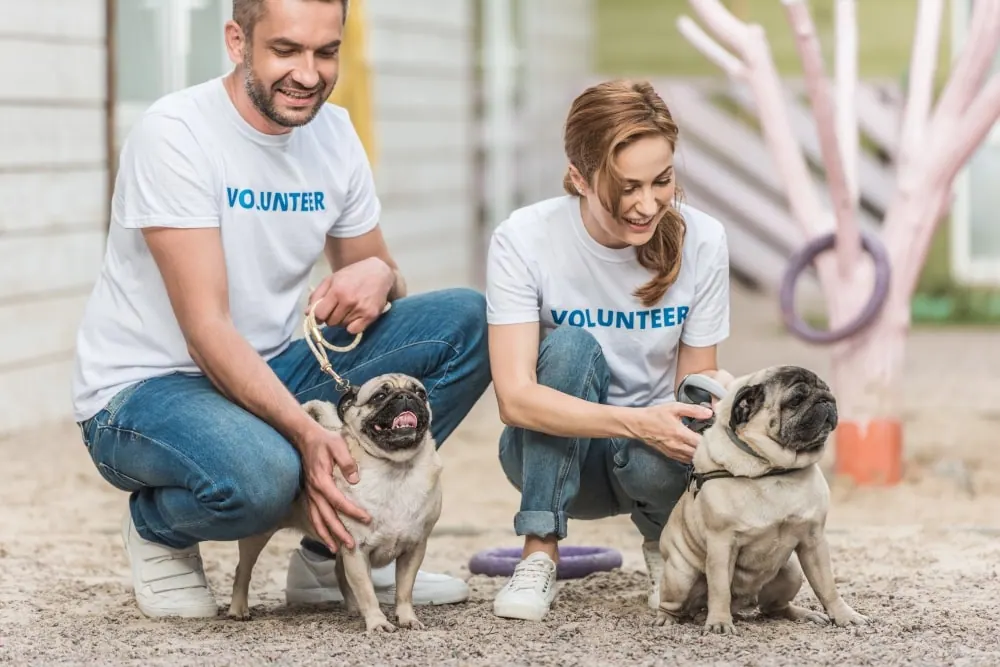
- Exercise and Enrichment: Volunteers may be involved in walking dogs, playing with cats, or providing specialized enrichment activities designed to reduce stress and improve animal behavior.
- Adoption Counseling: Experienced volunteers might work with potential adopters, helping match them with the right pet and providing information on responsible pet ownership.
- Administrative Support: If hands-on animal work isn’t your preference, shelters also need help with administration tasks such as answering phones, managing databases, and assisting with fundraising events.
- Foster Care: Some volunteers choose to provide temporary homes for animals, especially during busy times or when an animal needs recovery time away from the shelter.

Getting Started as a Volunteer
Ready to take the plunge? Here’s how to get started with animal shelter volunteering:
- Research: Find local shelters and rescue organizations in your area. Visit their websites to learn about their volunteer needs and requirements.
- Visit: Many shelters offer orientation sessions or tours for prospective volunteers. Attending these can provide a clearer picture of the organization and how you might fit into their volunteer program.
- Apply: Complete any necessary application forms and attend an interview or training session. This is also a good time to discuss any specific skills you can offer or any limitations you might have.
- Commit: While some roles are more flexible, consistent commitment helps the shelter plan and provides continuity for the animals.
The Impact of Your Volunteering
Volunteering at an animal shelter can be impactful both personally and within the community. Here are some of the impacts volunteers can have:
- Improved Animal Health and Adoption Rates: Volunteers often provide essential socialization and care that make animals more adoptable.
- Increased Shelter Operations: The additional help can allow shelters to expand their services or improve their care standards.
- Personal Fulfillment: Many volunteers report profound personal satisfaction in knowing they are helping to save lives and contribute to the welfare of animals.
Challenges to Consider
While volunteering is rewarding, it’s not without its challenges. Emotional strain can be significant, as volunteers often deal with abused, sick, or abandoned animals. The physical demands can also be strenuous, and the work can sometimes feel thankless. However, the positive impact of your work often outweighs these challenges.
Animal shelter volunteering offers an opportunity to contribute meaningfully to animal welfare and your community. The work isn’t always easy, but it’s always important. By providing even a few hours a week, you can make a significant difference in the lives of animals and help your community manage the pet population more effectively. So why not do something good today and explore how you can help at your local animal shelter?