Spaying a Cat: The Comprehensive Guide

For general feline health context, the Merck Veterinary Manual cat-owner pages are a reliable starting point, and your veterinarian should guide individual decisions.
Spaying a cat, also known as ovariohysterectomy, is a surgical procedure that involves the removal of a female cat’s ovaries and uterus. This process is a common veterinary practice aimed at preventing unwanted pregnancies, reducing the risk of certain health issues, and contributing to the control of the pet population. Understanding the benefits, procedure, and care involved in spaying your cat is essential for pet owners who wish to ensure the health and well-being of their feline companions. This article delves into the significance of spaying, what the procedure entails, and how to care for your cat before and after the operation.
Benefits of Spaying Your Cat
Spaying offers numerous benefits, not only for your cat but also for the community. It significantly reduces the number of unwanted kittens, which can help decrease the population of homeless cats. From a health perspective, spaying your cat can:
- Prevent uterine infections known as pyometra, which can be life-threatening.
- Reduce the risk of mammary gland tumors, which are malignant in about 90% of cats.
- Eliminate the risk of ovarian and uterine cancer.
- Reduce or eliminate behaviors associated with the heat cycle, such as yowling, frequent urination, and the urge to escape outdoors.
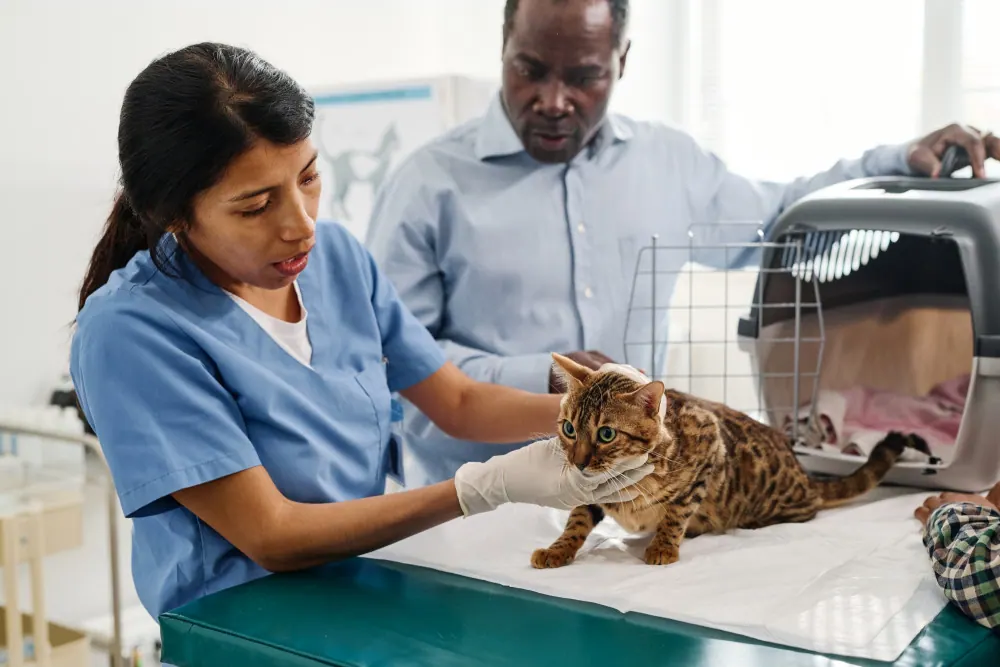
Understanding the Spaying Procedure
Spaying is a surgical operation performed under general anesthesia. The procedure typically involves the following steps:
- Pre-surgical Exam: A thorough examination to ensure the cat is fit for surgery, including blood tests to check for any underlying health issues.
- Anesthesia: To ensure the cat is unconscious and pain-free during the procedure.
- Surgical Procedure: A small incision is made in the abdominal wall, through which the ovaries and uterus are removed.
- Closure: The incision is closed with stitches that may either dissolve over time or require removal by a veterinarian.
- Recovery: Post-operative care is crucial for a smooth recovery.
Preparing for the Surgery
Preparation begins with choosing the right time for the surgery. Vets often recommend spaying before the first heat cycle, which can occur as early as five months of age. However, cats can be spayed at most ages, provided they are in good health. Prior to surgery, you may need to:
- Fast your cat for a specified period, usually 12 hours before anesthesia, to reduce the risk of vomiting during and after the procedure.
- Discuss any concerns or questions with your veterinarian, including the details of the procedure and post-operative care requirements.
- Prepare a comfortable and quiet recovery area in your home where your cat can rest without disturbance.
Post-Operative Care
After the surgery, your cat will require careful attention to ensure a safe and speedy recovery. Key aspects of post-operative care include:
- Pain Management: Your veterinarian will provide pain relief medication to manage discomfort. It’s crucial to follow the prescribed dosage and schedule.
- Keeping the Cat Indoors: Limit your cat’s activity and keep her indoors in a calm, quiet space to prevent the incision from tearing and to facilitate healing.
- Incision Care: Check the incision site daily for signs of infection, such as redness, swelling, or discharge. Avoid bathing your cat or allowing her to lick the wound.
- Follow-Up Visits: A follow-up appointment may be necessary to remove stitches (if they are not dissolvable) and to ensure proper healing.
Addressing Concerns and Misconceptions
Many pet owners have concerns about spaying their cats, fearing it may lead to weight gain or affect their pet’s personality. While cats may have a slightly reduced metabolic rate after spaying, weight gain can be controlled with a balanced diet and regular exercise. As for personality changes, most cats continue to be as affectionate and active as before. The procedure may actually reduce behaviors that pet owners find challenging, such as spraying and aggression related to hormonal fluctuations.
Spaying is a responsible choice that can significantly enhance the quality of life for your cat. It not only helps in controlling the pet population but also offers numerous health benefits. By understanding the procedure, preparing adequately, and providing proper post-operative care, you can ensure a smooth and safe experience for your feline friend. Remember to consult with your veterinarian for tailored advice and support throughout the process, ensuring the best outcomes for your cat’s health and well-being.
The decision to spay your cat is a significant one, reflecting a commitment to her health and happiness. By taking this step, you contribute to a larger effort to reduce the number of homeless animals and ensure a better future for all pets. With the right preparation and care, your cat can quickly return to her usual self, ready to enjoy a long, healthy life by your side.