Urinary Tract Infection in Cats: Understanding, Treating, and Preventing
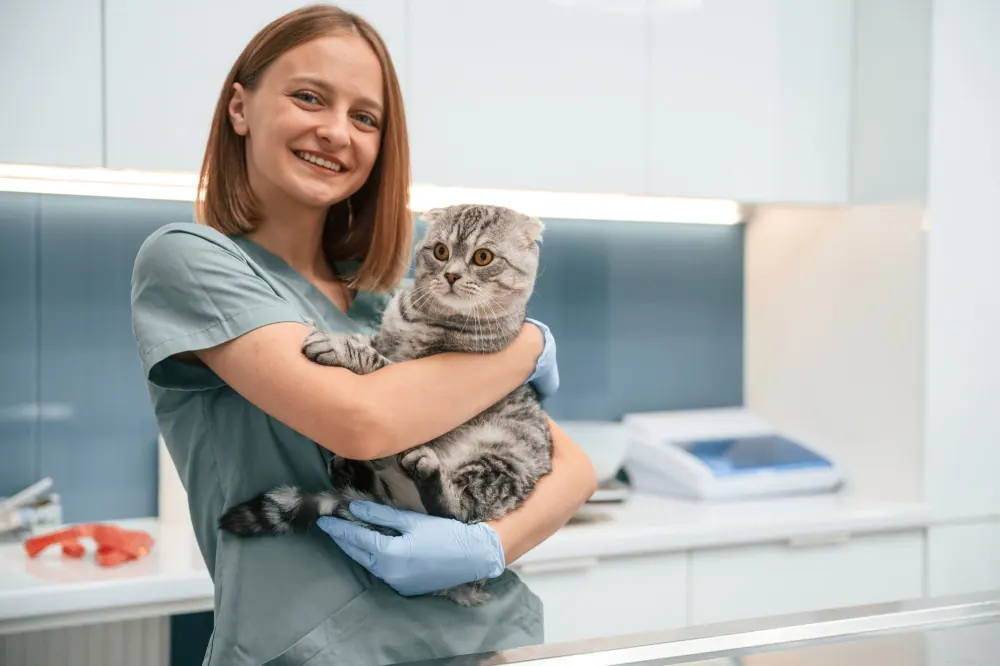
Urinary Tract Infection (UTI) in cats is a condition that affects many felines across the globe. It involves inflammation and infection within the urinary system, causing discomfort and potentially severe health issues if not treated promptly. Understanding the signs, treatments, and prevention methods can help cat owners ensure their pets lead healthy, comfortable lives. This article delves into the intricacies of UTIs in cats, providing comprehensive insights for pet owners.
As an Amazon Associate, we earn from qualifying purchases.
Understanding Urinary Tract Infections in Cats
Urinary tract infections are more common in older cats but can affect felines of any age. The urinary system, comprising the kidneys, ureters, bladder, and urethra, is designed to filter and excrete waste products in the form of urine. When bacteria infiltrate this system, it can lead to an infection, causing inflammation and other complications.
Symptoms of UTI in Cats
The signs of a urinary tract infection in cats can vary but often include:
- Frequent urination or attempts to urinate
- Straining to urinate with little or no urine output
- Painful urination, which may be evident through vocalizations
- Blood in the urine
- Licking the genital area excessively
- Changes in behavior, such as increased irritability or depression
- Urinating outside the litter box
Early detection of these symptoms is crucial for effective treatment and to prevent the condition from escalating into more serious urinary issues, such as urethral blockage or kidney damage.
Diagnosing UTIs in Cats
Veterinarians typically diagnose UTIs through a combination of medical history, physical examinations, urine analysis, and sometimes, further diagnostic tests such as blood work or imaging studies. A urine culture may also be conducted to identify the specific bacteria causing the infection, which can help in selecting the most effective antibiotic for treatment.
How To Treat UTI in Cats
The treatment for a UTI in cats often involves antibiotics to combat the bacterial infection. The duration and type of antibiotic will depend on the severity of the infection and the results of the urine culture. In addition to medication, other treatments may include:
- Pain relief to alleviate discomfort
- Dietary changes, especially if the UTI is related to urinary crystals or bladder stones
- Increased water intake to help flush out the urinary tract
- Monitoring and adjustments based on follow-up urine tests
It’s important for cat owners to follow the veterinarian’s instructions closely and complete the full course of antibiotics even if the cat seems to have recovered, to ensure the infection is fully eradicated.
Preventing UTIs in Cats
Prevention is key to avoiding urinary tract infections in cats. Here are some effective strategies:
- Ensure constant access to fresh water to encourage regular urination and flushing of the urinary tract
- Maintain a clean litter box to prevent bacterial growth
- Consider dietary changes that promote urinary health, such as foods formulated to prevent crystal formation
- Manage stress, as it can contribute to urinary issues in cats
- Regular veterinary check-ups to catch any early signs of UTI or other urinary tract issues
See top-rated cat uti on Amazon
This is general information, not a diagnosis. The Merck Veterinary Manual cat-owner pages are a reliable place to read more before you talk with your veterinarian.
Urinary Tract Infections in cats are a serious health concern that requires prompt attention and treatment. Recognizing the symptoms early and consulting with a veterinarian can lead to a quick resolution of the issue. Through proper care, treatment, and preventive measures, cat owners can help their pets avoid the discomfort and risk associated with UTIs. It’s also important to foster an environment that supports urinary health, including clean living spaces, stress reduction, and a healthy diet. With the right approach, cats can lead happy, healthy lives free from the pain and complications of urinary tract infections.