What Do Turtles Eat? Wild Turtle Diet vs Pet Turtle Food
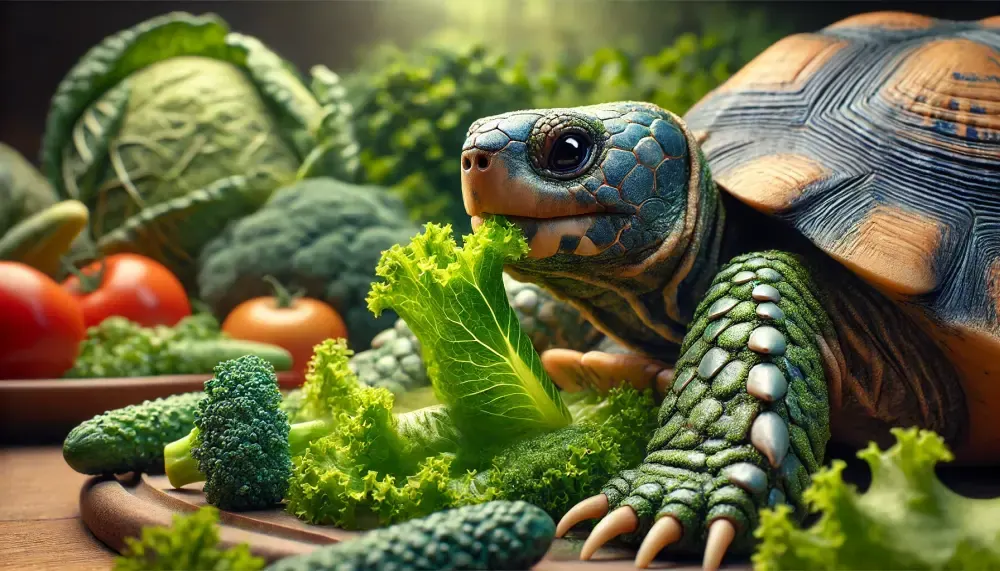
Quick answer: a wild turtle diet depends on species and habitat. Pond and river turtles eat aquatic plants, algae, insects, snails, worms, small fish, and carrion; box turtles add berries, mushrooms, and slugs; tortoises mostly graze on grasses and weeds. Pet turtles do best on a species-appropriate pellet plus fresh greens and live or frozen prey.
What a turtle should eat depends on the species. A red-eared slider, a box turtle, and a tortoise do not share one menu. Many aquatic turtles eat a mix of animal and plant foods that changes with age; many tortoises need a high-fiber, plant-based diet and can get very sick on protein-heavy or sugary foods. Guessing from a generic “turtle food” list is how shell and liver problems start. If you do not know the species, identify it before you change the diet, and use a veterinarian who treats reptiles for a long-term plan.
Turtle diets vary by species and should not be borrowed from dog or cat food rules. For general pet-health questions, the AVMA pet-owner resources are a reliable starting point, and a veterinarian familiar with reptiles should guide feeding.
We also cover other small-pet emergencies, including why a still, cold hamster is an emergency.
Pet turtles also need the right light, calcium, and temperature, not just a bowl of food. Do not feed cat food, dog food, or wild-caught prey as a default. This article is general background, not a complete care sheet for every species.
Understanding what turtles eat is essential for any turtle enthusiast or pet owner. Whether they’re wild or in captivity, turtles have diverse dietary needs that can vary depending on species, age, and environment. Let’s dive into what makes a healthy diet for turtles and how you can ensure they thrive.
The Basics of Turtle Nutrition
Turtles are generally omnivores, though some species lean more towards herbivorous or carnivorous diets. Their diet typically consists of a mix of:
- Protein sources: Essential for growth, especially for young turtles.
- Plant-based foods: Leafy greens and aquatic plants provide fiber and nutrients.
- Occasional fruits: Some turtles enjoy fruits as treats, but these should be limited due to sugar content.
What Do Pet Turtles Eat?
Pet turtles usually need a carefully balanced diet to thrive in a captive environment. Here’s a breakdown of a typical pet turtle’s diet based on different food categories:
1. Vegetables and Greens
Vegetables are a staple for many pet turtles. Leafy greens like kale, collard greens, and dandelion greens offer essential vitamins and minerals. Other vegetables, such as squash, carrots, and bell peppers, can be included to add variety.
- Avoid: Spinach and iceberg lettuce, as they offer little nutritional value and can interfere with calcium absorption.
2. Protein Sources
Protein is vital, especially for young turtles that are still growing. Common sources include crickets, mealworms, earthworms, and small fish. Aquatic turtles, like red-eared sliders, enjoy fish and insects, while other species, such as box turtles, may prefer worms and snails.
- Feeding Tip: Protein should be more prominent in juvenile turtles’ diets, gradually decreasing as they mature.
3. Commercial Turtle Pellets
High-quality, nutritionally balanced turtle pellets are a convenient option. They are fortified with essential nutrients and can supplement other food items. Look for pellets with a good protein-to-vegetable ratio to meet your turtle’s specific needs.
4. Fruits
While not necessary for all turtles, some species, like box turtles, appreciate an occasional fruit treat. Berries, apples (without seeds), and melons are safe in small amounts. However, because fruits are high in sugar, they should be offered sparingly.
What Do Wild Turtles Eat?
More specifically, a wild turtle diet is not one menu. Many aquatic turtles are opportunistic omnivores: plants and algae plus insects, snails, worms, and small fish. Box turtles often add berries, mushrooms, and slugs. Tortoises are mostly grazers, eating grasses, weeds, and other high-fiber plants. What a wild turtle eats also changes with age and season, which is why a pet menu should follow the species, not a generic ‘turtle food’ list.
Wild turtles have a more diverse diet and typically consume what’s available in their environment. Depending on their species and habitat, wild turtles eat a range of plants, insects, and small aquatic animals.
1. Aquatic Plants
Turtles in ponds or rivers feast on various aquatic plants, algae, and water lilies. These plants provide them with the necessary fiber and vitamins.
2. Insects and Small Animals
In the wild, turtles also consume insects, snails, and small fish. This helps them meet their protein requirements and supports their natural hunting instincts.
3. Decayed Matter
Some wild turtles, particularly freshwater species, eat decayed animal or plant matter. This behavior, known as scavenging, is normal in the wild and contributes to their nutrient intake.
Feeding Tips for Pet Turtles
To keep your turtle healthy, it’s essential to monitor its diet carefully. Here are some tips for proper feeding:
- Frequency: Juvenile turtles should be fed daily, while adults generally only need to be fed every 2-3 days.
- Portion Control: Overfeeding can lead to obesity, so be mindful of portion sizes.
- Water Quality: For aquatic turtles, uneaten food can quickly contaminate water, so remove leftovers after feeding.
Essential Nutrients for Turtles
Turtles require certain nutrients for optimal health, including:
- Calcium: Crucial for shell strength, especially in growing turtles. Supplement with cuttlebone or calcium powder if needed.
- Vitamin A: Prevents eye and respiratory issues. Leafy greens and carrots are good natural sources.
- Vitamin D3: Facilitates calcium absorption, particularly in turtles that lack exposure to sunlight. UVB lighting is essential for indoor turtles.
Common Feeding Mistakes
Even well-intentioned turtle owners can make mistakes. Here are some common pitfalls to avoid:
- Feeding only pellets: While pellets are convenient, relying on them exclusively can lead to nutrient deficiencies.
- Lack of variety: Turtles benefit from a varied diet that includes greens, protein, and occasional fruits.
- Over-reliance on meat: For species that need a more plant-based diet, too much protein can lead to health issues like kidney disease.
Foods to Avoid for Turtles
Certain foods can harm turtles, so it’s important to know what to avoid:
- Dairy products: Turtles cannot digest dairy, so avoid milk, cheese, and similar items.
- Raw meat: Uncooked meat, particularly from mammals, can carry harmful bacteria.
- High-fat foods: Excess fat can lead to health complications, so avoid fatty meats and snacks.
Turtles are unique creatures with specific dietary needs, and understanding these is essential to providing proper care. By offering a balanced mix of greens, protein, and occasional fruits, you can help your turtle thrive, whether they’re a pet or roaming in the wild.