What to Feed a Dog with UTI
We earn from qualifying Amazon purchases. It doesn't change what we recommend.
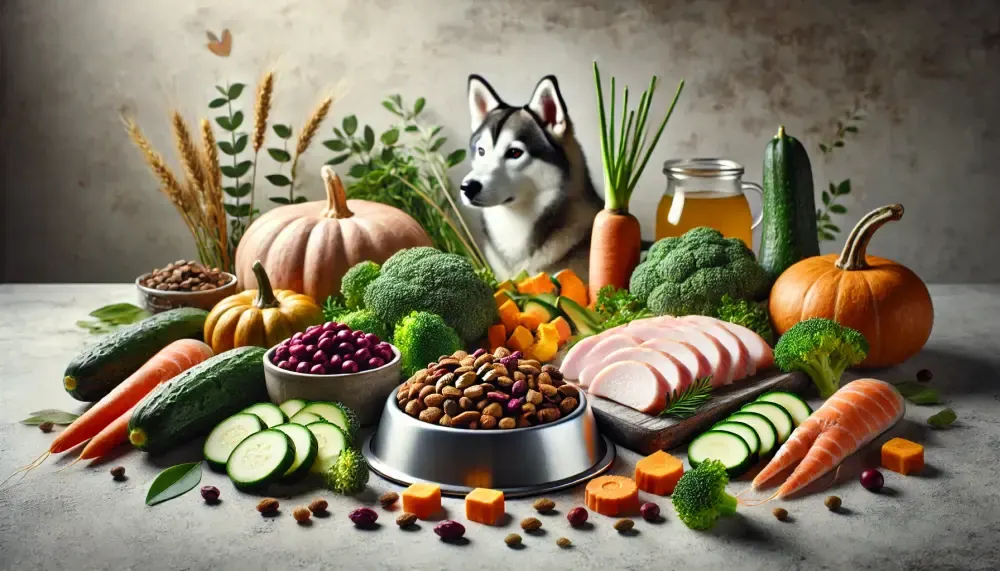
This is general information, not a diagnosis. The Merck Veterinary Manual dog-owner pages are a reliable place to read more before you talk with your veterinarian.
When your furry friend is suffering from a urinary tract infection (UTI), their diet plays a crucial role in supporting their recovery. Feeding your dog the right foods can help manage symptoms, promote healing, and prevent future infections. This guide covers what you should and shouldn’t feed a dog with UTI and offers tips to support their urinary health.
1. Hydration is Key
Water is the most important factor in managing a dog with a UTI. Adequate hydration helps flush out bacteria from the urinary tract, reducing the risk of infection and promoting faster recovery.
- Fresh water: Ensure your dog has access to clean, fresh water at all times. Encourage them to drink more by placing water bowls in multiple locations.
- Moisture-rich foods: Incorporate wet dog food or add water to their dry food to increase their overall water intake.
2. High-Quality Proteins
Lean, high-quality proteins are essential for your dog’s health, especially when dealing with a UTI. They provide the necessary nutrients to strengthen the immune system.
- Chicken and Turkey: Low-fat, easily digestible, and gentle on the stomach, chicken and turkey are excellent options for dogs with UTIs.
- Fish: Fish like salmon or whitefish are packed with omega-3 fatty acids, which have anti-inflammatory properties that can aid in reducing inflammation caused by UTIs.
- Eggs: A great source of protein, eggs are gentle on your dog’s system and can be a beneficial addition to their diet.
Tip: Always cook the proteins thoroughly and avoid adding seasoning, salt, or other additives that could irritate your dog’s urinary tract.
3. Fruits and Vegetables
Including certain fruits and vegetables can provide extra nutrients and antioxidants to help support your dog’s urinary health.
- Cranberries: Known for their urinary health benefits, cranberries can help prevent bacteria from adhering to the bladder walls, reducing the risk of infection. You can find cranberry supplements specifically designed for dogs or add a small amount of unsweetened cranberry juice to their water or food.
- Blueberries: Rich in antioxidants and vitamin C, blueberries can help boost your dog’s immune system and support urinary tract health.
- Carrots: Low in calories and high in vitamins, carrots are a great snack that can promote overall health.
- Broccoli: A great source of vitamins A, C, and K, broccoli can help support your dog’s immune system, aiding in their recovery from UTIs.
Caution: Avoid citrus fruits, as they can irritate the urinary tract and exacerbate symptoms.
4. Specialized Dog Food
There are specially formulated dog foods available that support urinary health. These foods are designed to reduce the risk of UTIs by maintaining the right pH levels in your dog’s urine and promoting overall bladder health.
- Urinary Care Dog Food: Many reputable brands offer urinary care formulas that contain controlled levels of magnesium, calcium, and phosphorus to prevent crystal formation in the bladder.
- Prescription Diets: If your dog has recurring UTIs or other urinary issues, your veterinarian may recommend a prescription diet tailored to their needs.
5. Probiotics
Probiotics for dogs can be beneficial in maintaining your dog’s digestive health, which in turn supports their immune system. A healthy gut helps fight off infections, including those affecting the urinary tract.
- Plain yogurt: A small amount of plain, unsweetened yogurt can be added to your dog’s meals to introduce probiotics into their diet.
- Probiotic supplements: Available in powder or tablet form, these supplements are easy to add to your dog’s food and can be particularly helpful during and after antibiotic treatment.
Note: Always consult with your veterinarian before introducing new supplements into your dog’s diet.
6. Foods to Avoid
Certain foods can exacerbate UTI symptoms or increase the risk of future infections. It’s important to avoid feeding your dog these items:
- High-sodium foods: Salt can cause dehydration, which is counterproductive when trying to flush out bacteria. Avoid salty treats and table scraps.
- Foods high in oxalates: Spinach, beets, and certain nuts can contribute to the formation of bladder stones, making UTIs worse.
- Artificial additives and preservatives: These can irritate the urinary tract and should be avoided.
7. Tips for Feeding a Dog with UTI
- Feed smaller, frequent meals: Smaller meals are easier to digest and can help maintain a balanced pH level in your dog’s urine.
- Incorporate moisture-rich foods: Wet food or adding water to dry food helps increase hydration.
- Monitor your dog’s reaction: Keep an eye on your dog’s behavior and urinary habits. If symptoms worsen or persist, consult your veterinarian.
A UTI can be uncomfortable for your dog, but with the right diet, you can support their recovery and help prevent future infections. Focus on providing high-quality proteins, fruits like cranberries, and moisture-rich foods to ensure your furry friend stays healthy. Always consult your veterinarian before making significant changes to your dog’s diet, especially if they are prone to urinary tract issues. With proper care and nutrition, your dog can recover from a UTI and maintain a happy, healthy life.