White Coat Syndrome in Dogs: Understanding and Managing Anxiety in Veterinary Visits
We earn from qualifying Amazon purchases. It doesn't change what we recommend.
A calming treat is not a treatment for veterinary-visit fear on its own, and it should only be used if your veterinarian is comfortable with it.
This is general information, not a diagnosis. The Merck Veterinary Manual dog-owner pages are a reliable place to read more before you talk with your veterinarian.
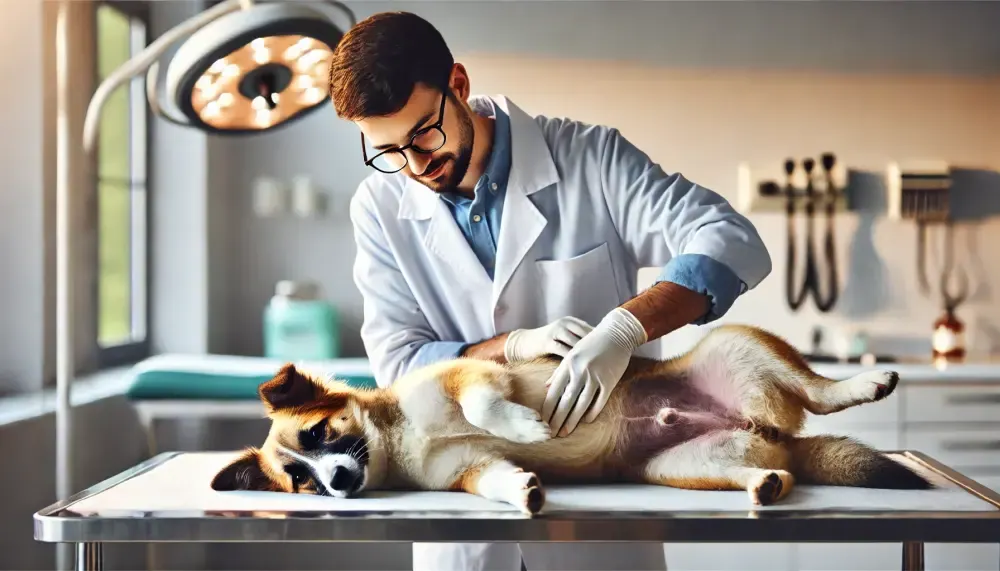
White Coat Syndrome, commonly recognized in humans as a spike in blood pressure during medical visits, also manifests in our canine companions. This phenomenon, where dogs exhibit heightened levels of anxiety or fear in a veterinary setting, can significantly impact both their health and well-being. Understanding the nuances of this condition, its causes, symptoms, and the strategies for management, is crucial for pet owners seeking to improve their dogs’ veterinary visit experiences.
The Causes of White Coat Syndrome in Dogs
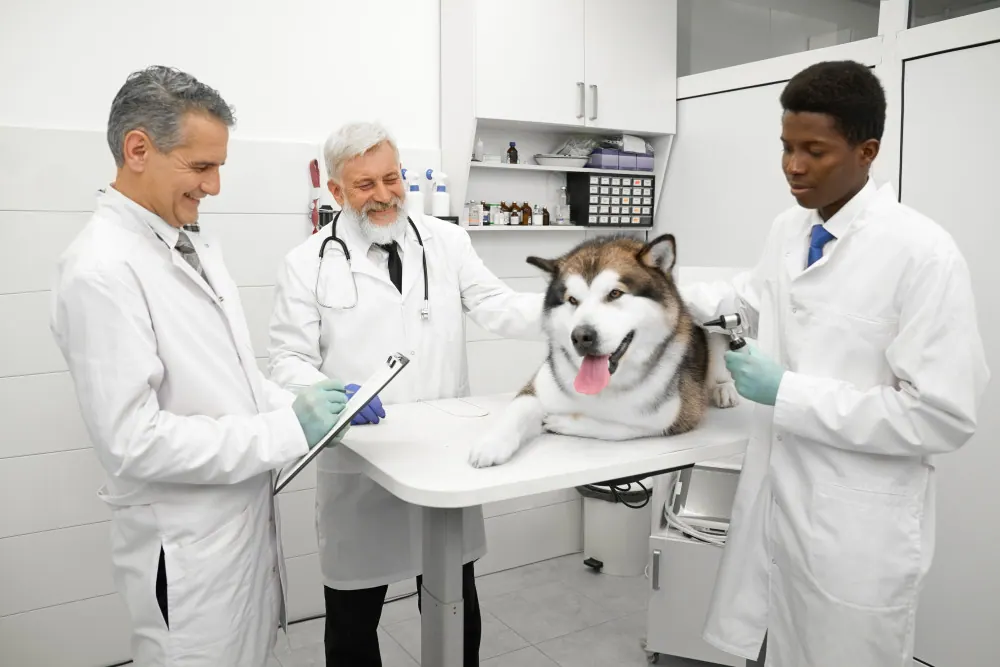
The roots of White Coat Syndrome in dogs can often be traced back to a lack of positive veterinary experiences or a history of traumatic visits. Factors contributing to this anxiety include the unfamiliar environment, the presence of unknown animals, the scent of medications and antiseptics, and the procedures themselves, which can range from mildly uncomfortable to painful. Dogs, like humans, remember these experiences, which can lead to anticipatory anxiety.
Identifying Symptoms of White Coat Syndrome in Dogs
Symptoms of White Coat Syndrome in dogs can vary widely but generally revolve around signs of stress or anxiety. These may include:
- Excessive panting, drooling, or yawning
- Shaking or trembling
- Attempting to hide or escape
- Aggressive behavior towards veterinarians or clinic staff
- Refusing to enter the veterinary clinic
- Sudden urination or defecation
Recognizing these signs early can help pet owners take proactive steps to manage their dog’s anxiety.
Strategies for Managing White Coat Syndrome
Managing White Coat Syndrome in dogs involves a combination of preparation, training, and cooperation with your veterinary team. Below are strategies designed to mitigate anxiety and create a more positive experience for your pet:
- Pre-Visit Preparation: Familiarize your dog with the carrier or vehicle used to transport them to the clinic. Short, non-veterinary trips can help associate these spaces with positive experiences.
- Positive Reinforcement: Use treats, praise, and toys to create positive associations with the veterinary clinic. Some clinics may allow pre-visit drop-ins to help your dog become accustomed to the environment without the stress of a procedure.
- Behavioral Training: Training your dog to be comfortable with handling and restraint can lessen the stress of physical exams and procedures. Techniques such as gradual desensitization and counterconditioning can be particularly effective.
- Stress-Reducing Products: Consider the use of calming pheromone sprays, anxiety wraps, or prescribed anti-anxiety medications for highly stressed dogs, following your veterinarian’s recommendations.
- Communication with Your Veterinary Team: Inform your vet and their staff about your dog’s anxiety. They can adapt their approach, schedule quieter times for your visit, or discuss the possibility of home visits.
- Alternative Veterinary Services: For dogs with severe White Coat Syndrome, exploring options like veterinary house calls can significantly reduce stress by allowing your pet to remain in a familiar environment.
The Role of Veterinary Practices in Managing White Coat Syndrome
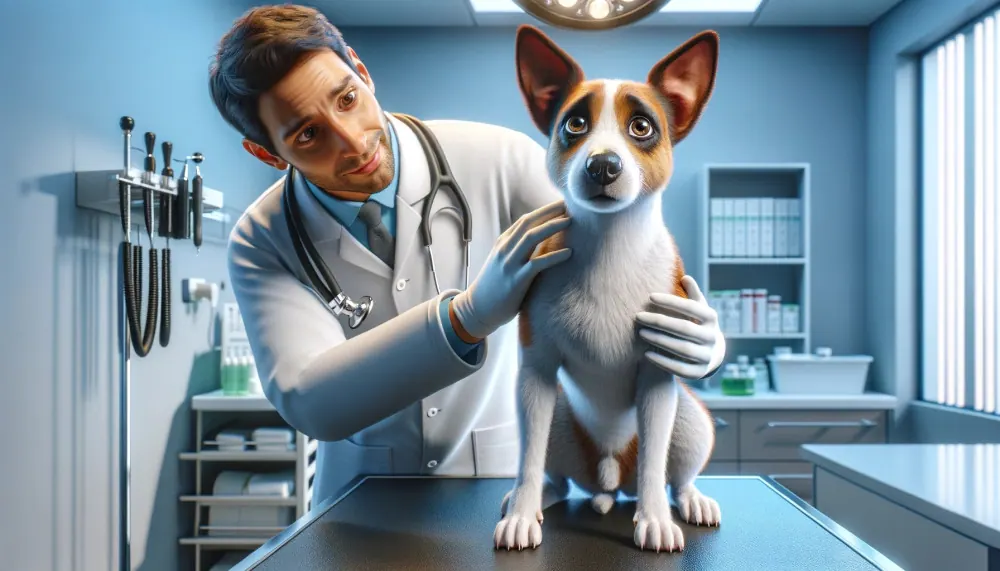
Veterinary practices are increasingly adopting fear-free or low-stress handling techniques to make visits more pleasant for pets. These practices may include:
- Using calming pheromones in the clinic
- Offering quiet, separate waiting areas for dogs
- Employing gentle handling techniques
- Providing treats and toys for distraction
Veterinarians are also focusing on educating pet owners about the signs of stress and anxiety in dogs and offering advice on pre-visit preparation and stress reduction techniques.
White Coat Syndrome in dogs is a manageable condition that requires understanding, patience, and a proactive approach from both pet owners and veterinary professionals. By recognizing the signs of anxiety and employing strategies to reduce stress, we can make veterinary visits a more positive experience for our canine companions. The ultimate goal is to ensure that dogs receive the care they need without undue stress, contributing to their overall health and well-being.
Through the combined efforts of pet owners, veterinarians, and dedicated training, it’s possible to mitigate the impact of White Coat Syndrome, ensuring our pets remain calm and cooperative during their health care appointments. This not only improves the quality of veterinary care but also strengthens the bond between dogs and their owners, fostering a lifetime of positive health experiences.