Why Do Cats Knead?
For general feline health context, the Merck Veterinary Manual cat-owner pages are a reliable starting point, and your veterinarian should guide individual decisions.
Cats are enigmatic creatures, often engaging in behaviors that are both endearing and puzzling to their human companions. One such behavior is kneading, a rhythmic, pressing motion cats make with their paws against soft objects, including blankets, other animals, and even their owners. This article explores the various reasons behind why cats knead, shedding light on this curious behavior that has both practical and psychological roots.
Evolutionary and Instinctual Reasons
Kneading is a behavior that originates from cats’ earliest days of life. Newborn kittens knead their mother’s belly to stimulate milk flow while nursing. This instinctive behavior is crucial for their survival, ensuring they receive vital nutrition during the early stages of life. Interestingly, while most kittens outgrow the need to nurse, the kneading behavior often persists into adulthood. This continuation suggests that kneading is deeply ingrained in a cat’s instincts and carries more significance than merely a feeding mechanism.
In the wild, cats are known to knead to create a soft, comfortable place to sleep or give birth. They press down tall grass or leaves to shape a temporary nest, which not only provides comfort but also ensures a safe resting place away from potential threats. Domestic cats carry this ancestral behavior, even though they are provided with comfortable sleeping arrangements by their owners.
Comfort and Contentment
For many cats, kneading is associated with comfort and tranquility. It is often observed when a cat is in a particularly relaxed and content state, ready to settle down into a cozy spot. The act of kneading can trigger the release of endorphins—hormones responsible for feelings of happiness and reduction of pain. This physiological response can explain why some cats appear blissful and sometimes even purr loudly while kneading.
Territorial Marking
Cats are territorial animals, and kneading serves as a way of marking their territory with scent glands located in their paws. By kneading blankets, furniture, or their human owners, cats are essentially claiming these objects as their own. This behavior is a subtle yet effective way for cats to establish their presence and comfort zone within the home.
Strengthening the Bond with Humans
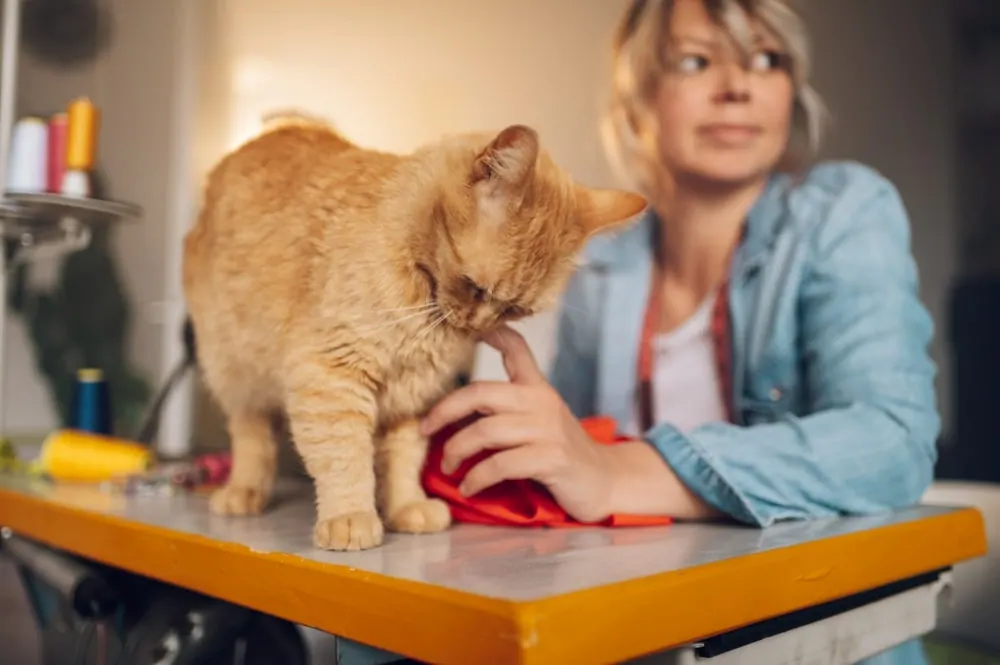
Cats may also knead their human owners as a form of bonding. This behavior can be seen as a sign of trust and comfort. When a cat kneads a person, it is often expressing affection, considering the person as part of its family. In this context, kneading is similar to grooming, another social behavior cats use to strengthen bonds with those they care about.
Signaling the Mating Season
In female cats, kneading can sometimes be associated with the onset of the estrus cycle. During this period, kneading behaviors can increase in frequency and intensity, serving as a sign of the cat’s readiness to mate. This is particularly evident in cats that have not been spayed.
The Influence of Stress and Anxiety
While kneading is typically a behavior associated with positive feelings, it can also be a coping mechanism for stress or anxiety. In some cases, cats may knead more frequently as a self-soothing behavior to calm themselves in stressful situations or environments. Observing the contexts in which a cat kneads can help owners determine if their pet is feeling anxious and if further comfort or veterinary attention might be needed.
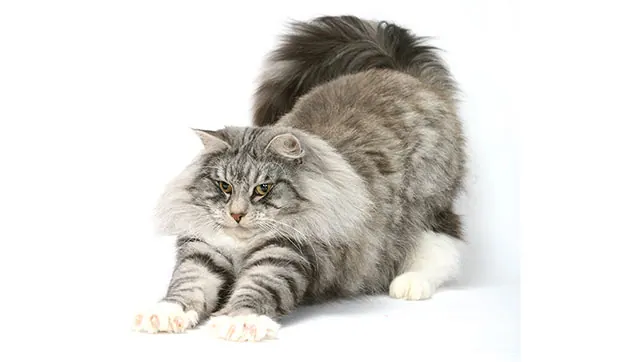
Kneading is a multifaceted behavior with roots in cats’ evolutionary history, physiological needs, and emotional states. Whether they are tapping into their wild instincts, expressing comfort, marking territory, bonding with their human family, signaling mating readiness, or managing stress, kneading is a significant part of a cat’s repertoire of behaviors. Understanding the nuances behind this common activity not only deepens our appreciation of these fascinating creatures but also enhances our ability to care for them in a more informed and empathetic manner. By paying attention to when and how cats knead, owners can gain insights into their pets’ well-being and emotional world, strengthening the bond between them.