Why Do Cats Rub Their Face on Things?
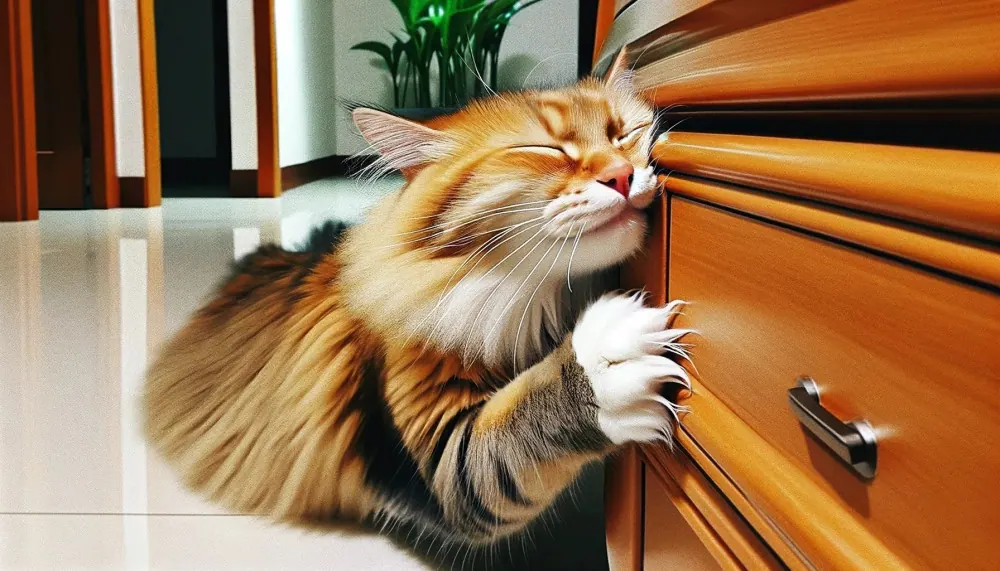
Cats are fascinating creatures known for their mysterious and often quirky behaviors. Among these, the act of rubbing their faces on things, including furniture, humans, and other animals, has puzzled many pet owners. This behavior, scientifically referred to as bunting or allorubbing, is a natural and instinctual act for cats, serving multiple purposes ranging from scent marking to showing affection.
The Science of Scent Marking
At the core of this behavior is scent marking. Cats have multiple scent glands located on their faces, specifically around their cheeks, chin, and forehead. By rubbing their face on objects or beings, cats deposit pheromones, which are chemical substances used for communication among members of the same species. These pheromones convey information about the cat’s identity, territorial claims, and reproductive status.
Scent marking through bunting allows cats to establish their presence and claim territory without resorting to aggression. This behavior is commonly observed in both domestic and wild felines, indicating its importance in feline communication. When a cat rubs its face against furniture or the corners of walls, it’s essentially saying, “This is mine.”
Communication and Social Bonding
Beyond territorial marking, face rubbing serves as a communication tool between cats and between cats and their human companions. When cats rub their faces against each other, it’s a form of social bonding, expressing comfort, familiarity, and trust. This behavior, often seen in cats that live together or are friendly with each other, helps to establish a communal scent and strengthen social bonds.
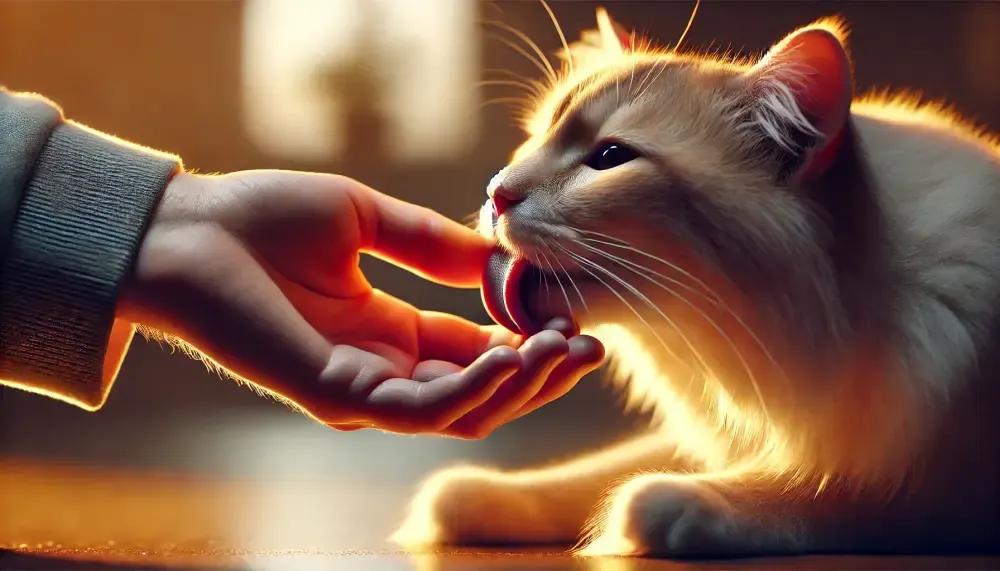
Similarly, when a cat bunts its owner, it’s not just marking its territory but also showing affection and trust. This behavior is a way for cats to greet their owners and show that they feel safe and comfortable in their presence. It’s an intimate gesture that signifies the cat considers you part of its family or social group.
Seeking Comfort and Security
Cats also rub their faces on things when they seek comfort and reassurance. Familiar scents have a calming effect on cats, providing them with a sense of security. By depositing their scent on objects and people around them, cats create a familiar-smelling environment that helps them feel more secure and at ease.
This behavior can be particularly noticeable in new or stressful situations, such as moving to a new home. Cats may increase their scent-marking behavior to establish a sense of familiarity and comfort in the unfamiliar environment.
Marking Humans
When cats rub their faces on their human companions, they are also marking them with their scent. This act signifies that the cat considers the person to be part of its territory. For cats, humans are part of their social environment, and by marking them, cats are including them in their “scent profile,” which helps them feel more connected and secure.
Affection and Attention-Seeking
While scent marking and communication are primary reasons for this behavior, cats also use face rubbing as a way to seek attention and affection from their owners. Cats that enjoy close relationships with their humans will often greet them with a face rub, seeking pets, cuddles, or playtime. This behavior is a cat’s way of showing love and asking for interaction.
In a multi-pet home, cats may also rub faces with one another as well as with you. Sharing a communal group scent can help the household feel familiar and may reduce tension, though it is not a guarantee that every cat will get along. Watch the rest of the body language — a stiff or swatting cat is not asking for a group cuddle.
For general feline health context, the Merck Veterinary Manual cat-owner pages are a reliable starting point, and your veterinarian should guide individual decisions.
In conclusion, when cats rub their faces on things, they are engaging in a complex behavior that serves multiple purposes, including scent marking, communication, social bonding, seeking comfort, and showing affection. Understanding this behavior can help cat owners appreciate the nuances of feline communication and bond more deeply with their furry companions. By recognizing and responding to these gestures of affection and territorial marking, owners can foster a loving and mutually respectful relationship with their cats, enhancing the well-being and happiness of both.