Winter Care: Dogs, Cold Weather and Snow
We earn from qualifying Amazon purchases. It doesn't change what we recommend.
Related reading: 20 Cool Winter Accessories for Dogs.
For general pet-health questions, the AVMA pet-owner resources are a reliable starting point, and your veterinarian should guide individual decisions.
Related reading: Snow, Ice Melt and Your Dog – What You Should Know.
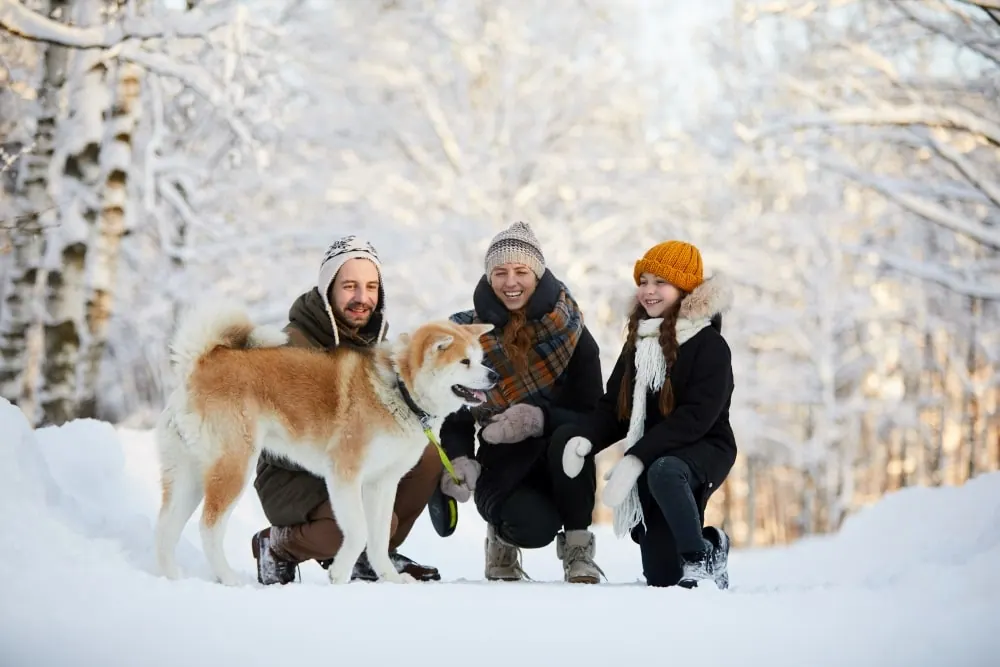
As winter approaches and temperatures drop, it’s essential to consider the well-being of our furry friends. Dogs, much like humans, can be affected by cold weather and snow. Proper winter care ensures that they remain healthy, happy, and comfortable throughout the season. Here are some tips and guidelines to help you take care of your dog during the colder months.
12 Tips for Dogs, Cold Weather and Snow
1. Understanding Your Dog’s Needs
Different breeds have varying tolerance levels for cold weather. Dogs with thicker coats, such as Siberian Huskies and Alaskan Malamutes, are naturally more equipped to handle the cold, while short-haired breeds like Greyhounds and Chihuahuas may need extra protection. Age, health, and size also play a role in determining how well a dog can cope with winter conditions.
2. Provide Adequate Shelter
If your dog spends a lot of time outdoors, ensure they have access to a warm and dry shelter. A well-insulated dog house with a raised floor and a door flap to keep out drafts is ideal. The shelter should be large enough for your dog to stand up and turn around in but small enough to retain body heat. Adding straw or blankets can provide additional warmth.
3. Dress for the Weather
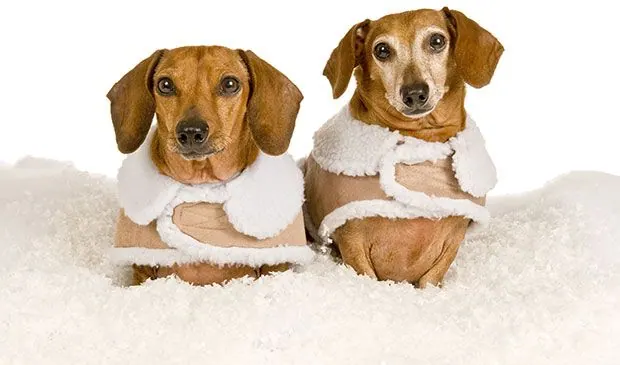
Just as you bundle up to go outside, your dog may also need extra layers. Dog sweaters or jackets can provide much-needed insulation for short-haired breeds or dogs with low body fat. Be sure the clothing fits properly and does not restrict movement. Pay attention to your dog’s comfort, as some dogs may not tolerate wearing clothing.
4. Protect Paws from the Elements
Snow, ice, and salt can be harsh on your dog’s paws. Trim the fur between their toes to prevent ice balls from forming, and consider using dog booties to protect their feet from cold and abrasive surfaces. If your dog doesn’t tolerate booties, applying a pet-safe paw balm can create a barrier against the elements.
5. Stay Active Safely
Exercise is important for your dog’s physical and mental health, even in winter. However, you may need to adjust your routine to ensure safety. Opt for shorter, more frequent walks to prevent your dog from becoming too cold. Avoid icy paths and be cautious of salted areas that can irritate paws. Indoor play sessions and activities can also help keep your dog active and engaged.
6. Monitor Your Dog’s Diet
Dogs may require more calories in the winter to maintain their energy levels and body heat. Consult your veterinarian to determine if you need to adjust your dog’s diet. Ensure they have access to fresh water, as dehydration can occur even in cold weather. Prevent water bowls from freezing by using heated bowls or changing the water frequently.
7. Be Aware of Hypothermia and Frostbite
Dogs are susceptible to hypothermia and frostbite, especially in extreme cold. Symptoms of hypothermia include shivering, lethargy, and difficulty breathing. Frostbite can occur on extremities like ears, paws, and tails, and appears as pale or bluish skin. If you suspect your dog is suffering from either condition, seek veterinary care immediately. Keep them warm with blankets and gentle heat, but avoid direct heat sources that can cause burns.
8. Limit Exposure to Antifreeze and Other Toxins
Antifreeze is highly toxic to dogs and often has a sweet taste that attracts them. Keep antifreeze and other chemicals out of reach, and clean up any spills immediately. Use pet-safe de-icers on your property to avoid accidental ingestion during walks.
9. Grooming and Skin Care
Regular grooming is important year-round, but it requires special attention in winter. Dry winter air can cause your dog’s skin to become dry and flaky. Brush your dog regularly to remove dead hair and stimulate natural oils. Avoid over-bathing, as it can strip the skin of essential oils. If necessary, use a moisturizing shampoo recommended by your vet.
10. Create a Cozy Indoor Environment
Make sure your home is a warm refuge for your dog during cold weather. Provide a cozy bed away from drafts and cold floors. Heated pet beds or pads can offer additional comfort. Ensure that your dog has a comfortable place to rest and relax after outdoor activities.
11. Consider Their Health
Cold weather can exacerbate existing health conditions in dogs, such as arthritis. Keep an eye on your dog’s behavior and mobility, and consult your veterinarian for any concerns. Supplements or medications might be necessary to manage pain and ensure your dog remains comfortable.
12. Plan for Emergencies
Winter storms and power outages can create emergency situations. Have a pet emergency kit ready, including food, water, medications, and blankets. Make sure you have a plan for how to keep your dog warm and safe if you lose power or need to evacuate.
Winter care for dogs involves a combination of preparation, attention, and adaptability. By understanding your dog’s specific needs and taking proactive steps, you can ensure they stay safe, healthy, and happy throughout the cold season. Remember, your dog relies on you for their well-being, so keep them close, keep them warm, and enjoy the winter wonderland together.
Taking these precautions will not only keep your dog safe but also allow you to enjoy the beauty of winter with your furry friend by your side. Whether it’s a brisk walk in the snow or a cozy day indoors, your dog can have a wonderful winter experience with the right care and attention.