10 Unusual Dog Breeds: Rarity Is Not a Care Guide
Some dog breeds are uncommon in the United States because they were developed for a specific job, a narrow region, or a small breeding population. Rarity is not the same as being easy to live with, healthier, or a good apartment dog. Before you look for a rare breed, learn the exercise, grooming, and health screening that breed actually needs, and work with a responsible breeder or a breed-knowledgeable rescue.
For official breed standards and typical traits, the AKC dog breed directory is a solid starting point.
If you mainly need a companion that fits your home, start with lifestyle, not rarity. Our best indoor dog breeds guide and best dog toys guide roundup are more useful first reads than chasing an unusual-looking dog.
Dogs are not just beloved pets; they are also a diverse tapestry of breeds each with their own unique characteristics and histories. While many of us are familiar with popular breeds like Labradors and German Shepherds, the canine world is replete with rare gems that are lesser-known but equally fascinating. From the deserts of Africa to the highlands of New Guinea, these rare breeds offer a glimpse into the rich cultural and geographical diversity of our world. This article explores ten rare dog breeds that are as unique as they are captivating, showcasing their distinct traits and the intriguing roles they play in their native lands. Whether you’re a seasoned dog lover or simply curious about the wider world of canines, this journey through the world of rare dog breeds is sure to enlighten and entertain.
Exploring the Canine Rarity: A Journey Through Uncommon Dog Breeds
1. Azawakh
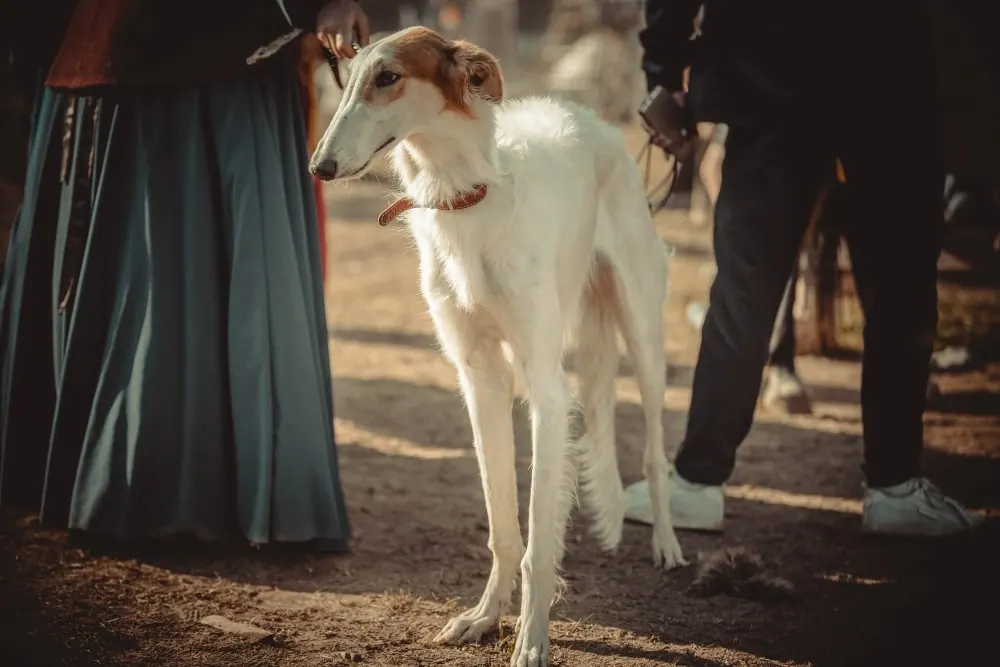
This West African sighthound is a rare sight outside its native Sahel region. The Azawakh is known for its elegant build, long legs, and a unique gait, making it a graceful and fast runner. Traditionally used for hunting gazelle and other fast prey, the Azawakh is also a loyal companion. This breed is known for its protective nature and deep bond with its owners, often described as reserved with strangers.
Azawakh Key Features
- Appearance: Slender, tall, and elegant with a short coat.
- Temperament: Loyal, protective, and reserved with strangers.
- Unique Trait: Extremely fast and agile, originally bred for hunting.
2. Norwegian Lundehund
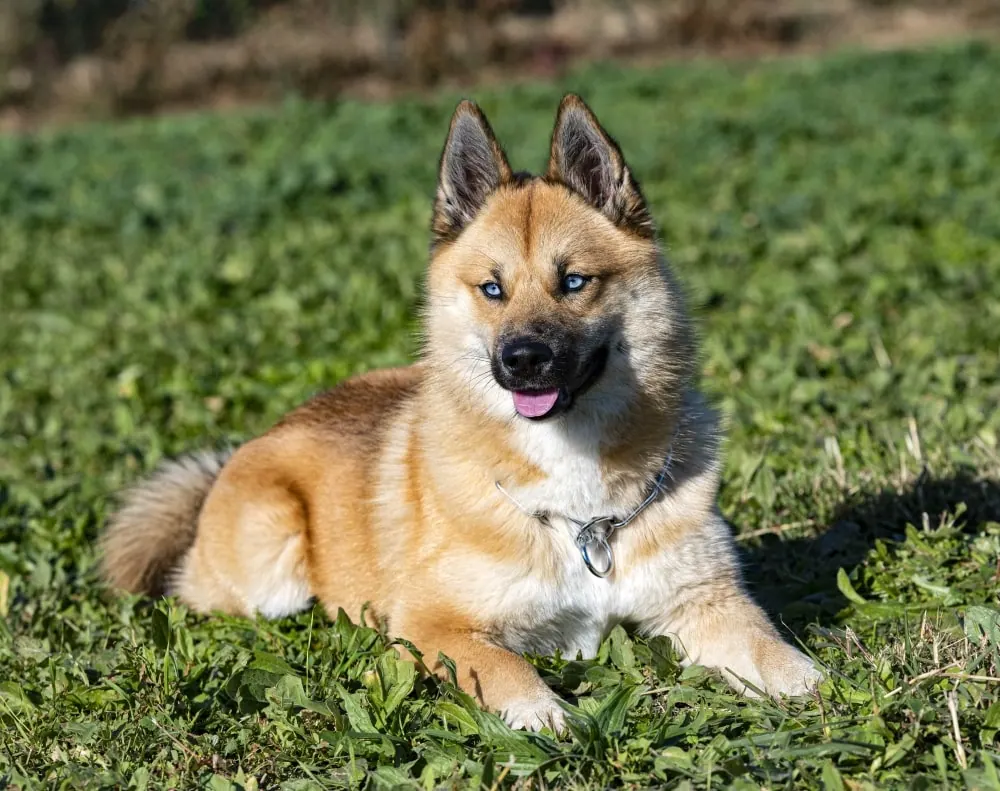
The Norwegian Lundehund is a small dog breed known for its extraordinary flexibility and ability to climb. Originally bred to hunt puffins along the rocky cliffs of Norway, these dogs have several unique physical traits. Notably, they have six toes on each foot and can tilt their head backwards over their spine. Due to their specialized nature, they are very rare outside Scandinavia.
Norwegian Lundehund Key Features
- Appearance: Small and agile with a dense coat.
- Temperament: Friendly, playful, and energetic.
- Unique Trait: Has six toes on each foot and extraordinary neck flexibility.
3. New Guinea Singing Dog
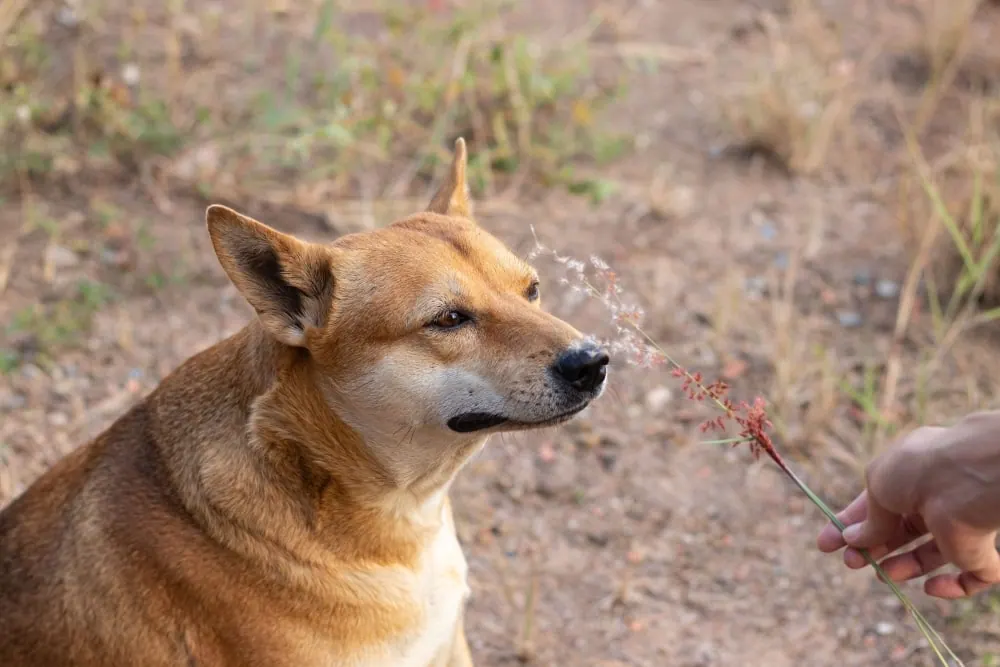
This breed is named for its melodious howl, which is reminiscent of a whale’s song. The New Guinea Singing Dog is thought to be one of the oldest and rarest dog breeds in the world. They were originally discovered in the New Guinea highlands, and it’s believed that they have not changed much from their wild ancestors. These dogs are known for their intelligence, independence, and strong hunting instincts.
New Guinea Singing Dog Key Features
- Appearance: Medium-sized with a fox-like appearance and a dense coat.
- Temperament: Independent, intelligent, and cautious.
- Unique Trait: Known for its distinctive and melodious howl.
4. Mudi
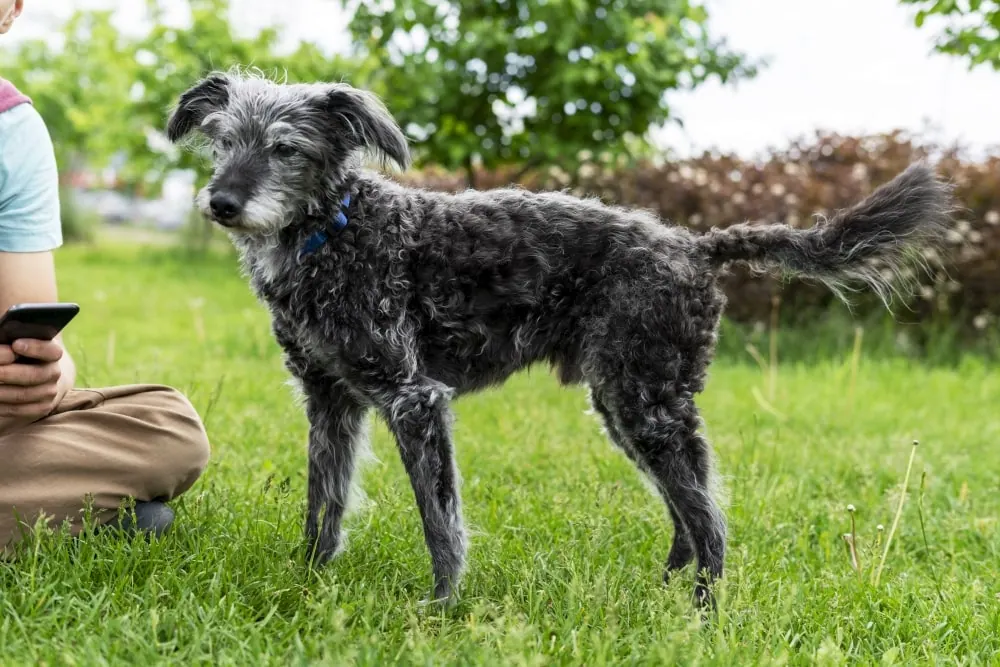
The Mudi is a versatile herding dog from Hungary, capable of herding cattle, sheep, and pigs. It is distinguished by its curly coat and spirited demeanor. Despite its talents and good temperament, the Mudi remains largely unknown outside of Hungary. This breed excels in various dog sports and is known for its ability to learn quickly and think independently.
Mudi Key Features
- Appearance: Medium-sized with a curly coat and a pointed muzzle.
- Temperament: Active, intelligent, and versatile.
- Unique Trait: Highly skilled in herding and capable of performing various dog sports.
5. Saluki
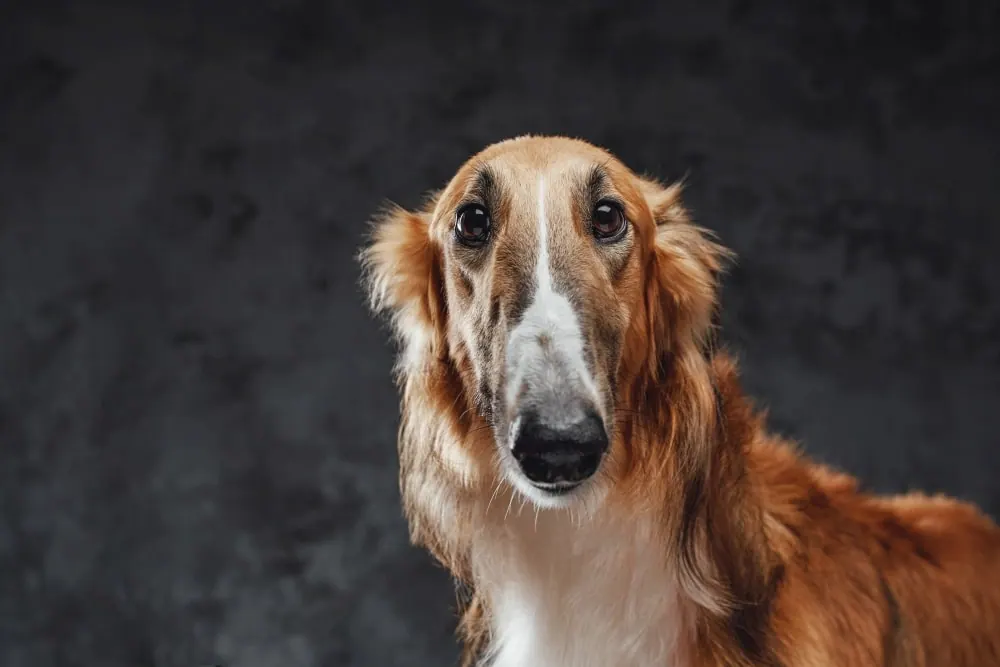
Salukis are perhaps one of the oldest known breeds, with their history tracing back to ancient Egypt. Often seen in ancient Egyptian tombs, these dogs are slim, fast, and have a deep connection to Middle Eastern culture. While not extremely rare, their pure and traditional breeding lines can be hard to find. They are highly valued for their speed, grace, and hunting ability.
Saluki Key Features
- Appearance: Graceful, slender build with a silky coat and feathered ears.
- Temperament: Dignified, aloof with strangers, and loyal to family.
- Unique Trait: One of the oldest dog breeds with roots tracing back to ancient Egypt.
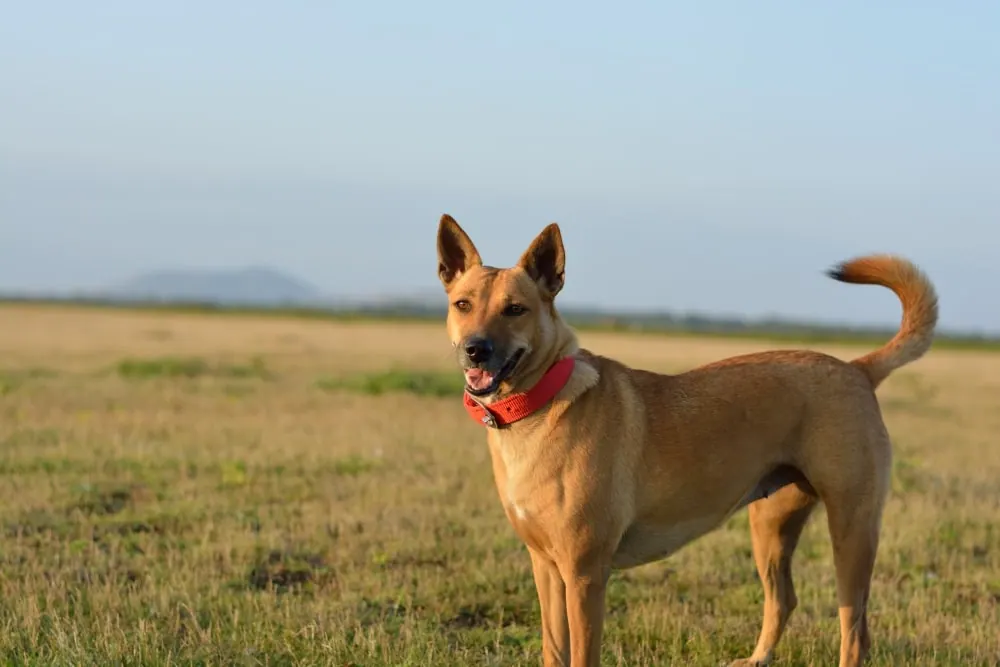
6. Carolina Dog
Often referred to as the American Dingo, the Carolina Dog is a wild dog breed that has been domesticated only recently. They were discovered in the Southeastern United States, living in isolated stretches of longleaf pines and cypress swamps. These dogs are highly independent, intelligent, and resourceful, with a primitive appearance that reflects their survivalist heritage.
Carolina Dog Key Features
- Appearance: Medium size, lean build, with a coat that varies in color.
- Temperament: Independent, reserved, and highly adaptive.
- Unique Trait: Often described as resembling a small dingo.
7. Catahoula Leopard Dog
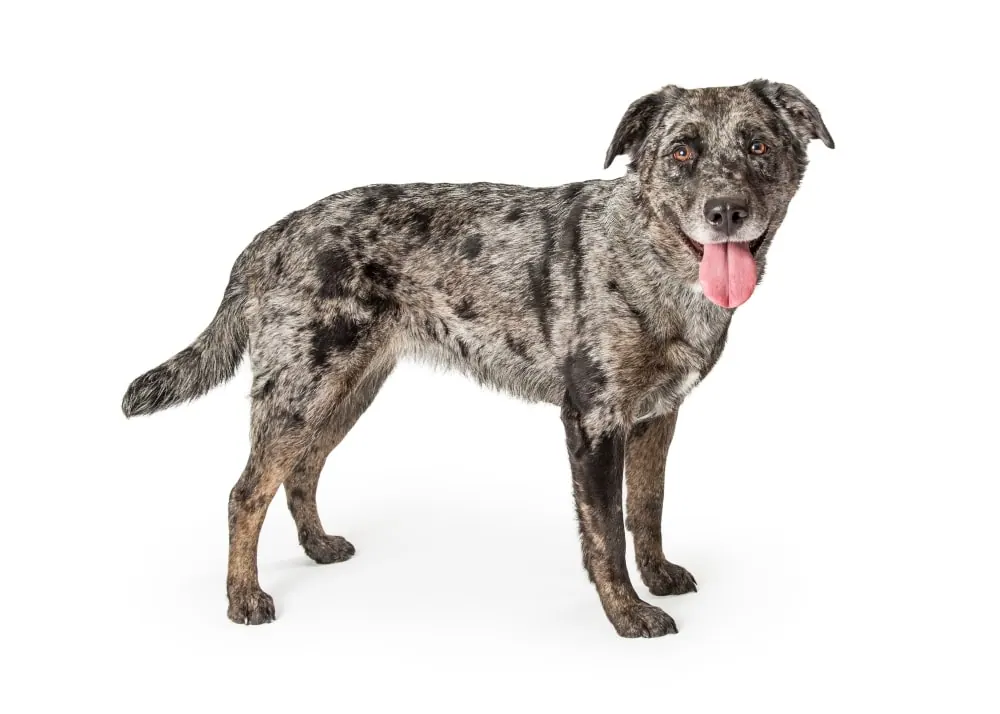
This breed is known for its striking appearance and multi-colored coat that sometimes looks like leopard spots. The Catahoula Leopard Dog is an American breed used for herding cattle and hunting. They are named after Catahoula Parish in Louisiana and are recognized for their robustness and versatility as a working dog. They have a strong work ethic and a protective nature.
Catahoula Leopard Dog Key Features
- Appearance: Robust build with a striking, often spotted coat.
- Temperament: Protective, determined, and energetic.
- Unique Trait: Developed in Louisiana, excellent herder and hunter.
8. Peruvian Inca Orchid
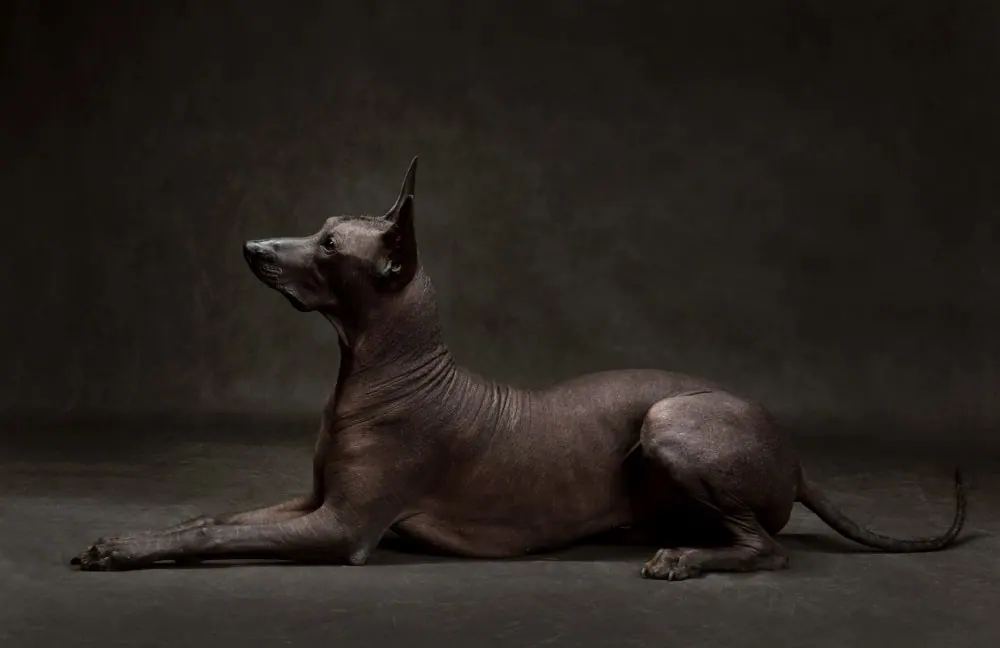
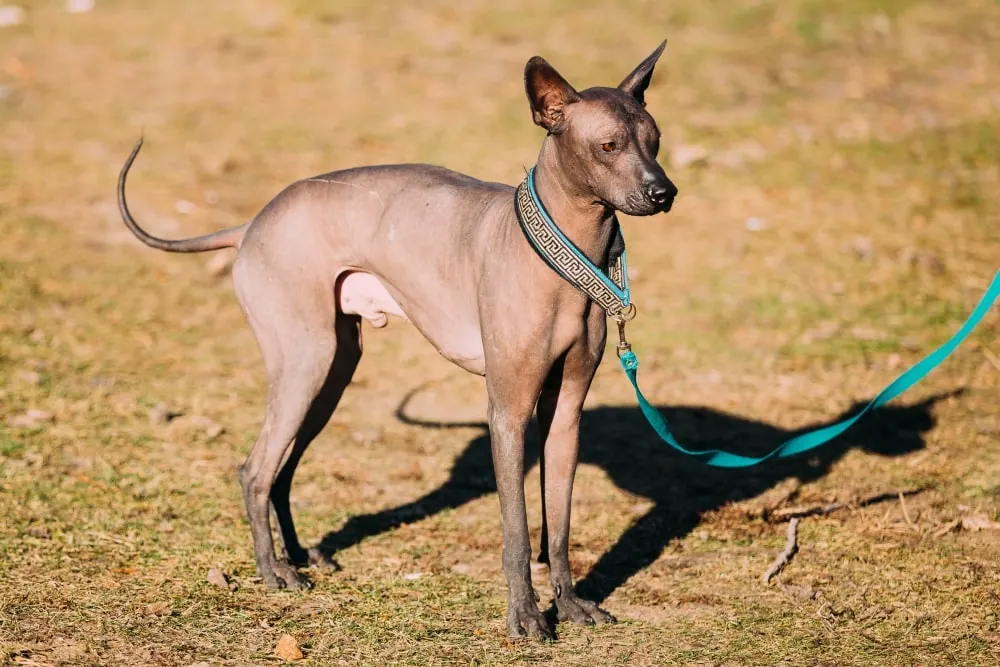
The Peruvian Inca Orchid is a hairless dog breed known for its alien-like appearance and spotted skin. This breed was once treasured by Incan nobility, and its name reflects its esteemed history. They come in three sizes (small, medium, and large) and are known for their affectionate and loyal nature. Their hairlessness makes them particularly suited to warm climates.
Peruvian Inca Orchid Key Features
- Appearance: Slim, elegant, can be hairless or coated, with varied skin colors.
- Temperament: Affectionate, loyal, and good with families.
- Unique Trait: Hairless variety well-suited to warm climates.
9. Thai Ridgeback
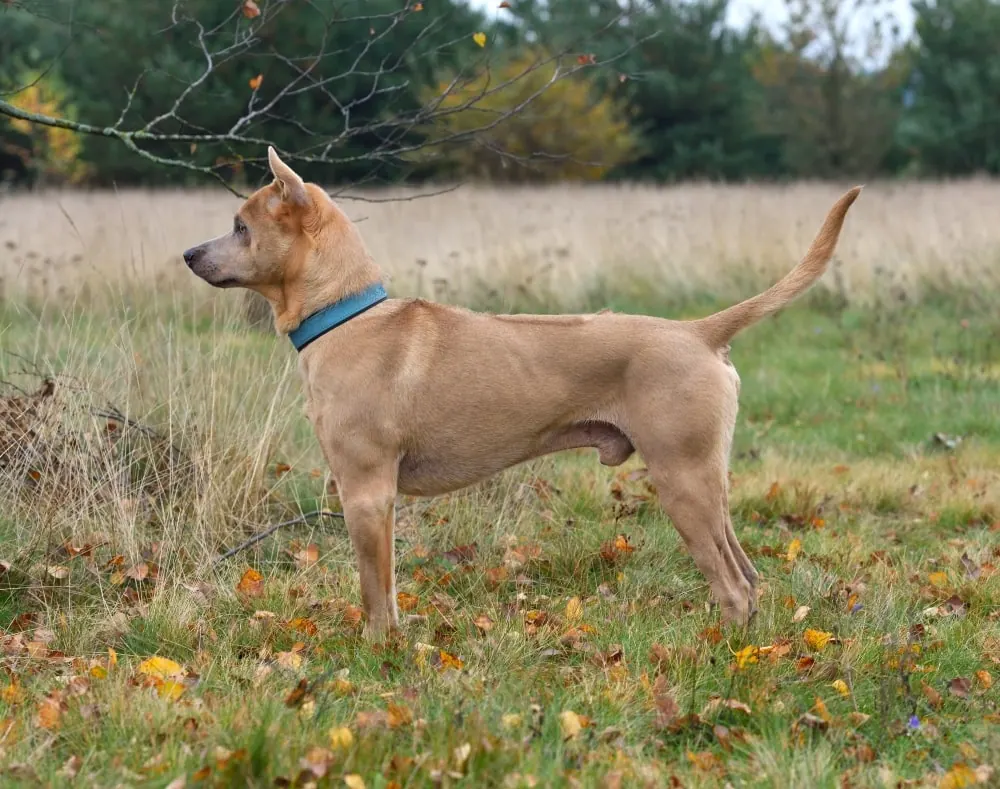
Originally bred in Thailand as a guard dog and hunter, the Thai Ridgeback is known for the distinctive ridge of hair running along its back, which grows in the opposite direction to the rest of the coat. This breed is known for its agility, loyalty, and protective instincts. They are relatively rare outside Thailand, making them a unique choice for a canine companion.
Thai Ridgeback Key Features
- Appearance: Muscular build with a smooth coat and a ridge of hair running along the back.
- Temperament: Loyal, protective, and somewhat aloof with strangers.
- Unique Trait: Very rare outside of Thailand and known for its agility.
10. Xoloitzcuintli
Also known as the Mexican Hairless Dog, the Xoloitzcuintli is one of the most distinctive breeds due to its often hairless body and bat-like ears. Revered by the Aztecs for its supposed healing properties, the Xoloitzcuintli varies in size from toy to standard. It’s known for its loyalty and watchfulness, making it a revered companion in Mexico and increasingly popular elsewhere.
Xoloitzcuintli Key Features
- Appearance: Ranges from toy to standard size, can be hairless or coated, with a sleek body.
- Temperament: Calm, loyal, and alert.
- Unique Trait: Revered by the Aztecs for its healing properties and often used as a therapy dog.
These rare breeds each have a unique story and set of characteristics that make them fascinating additions to the world of canines. Whether you’re a dog lover, a potential pet owner, or simply curious about the diversity within the dog world, exploring these breeds offers a glimpse into the rich tapestry of the canine family.