10 Reasons Why Dogs Dig
For general pet-health questions, the AVMA pet-owner resources are a reliable starting point, and your veterinarian should guide individual decisions.
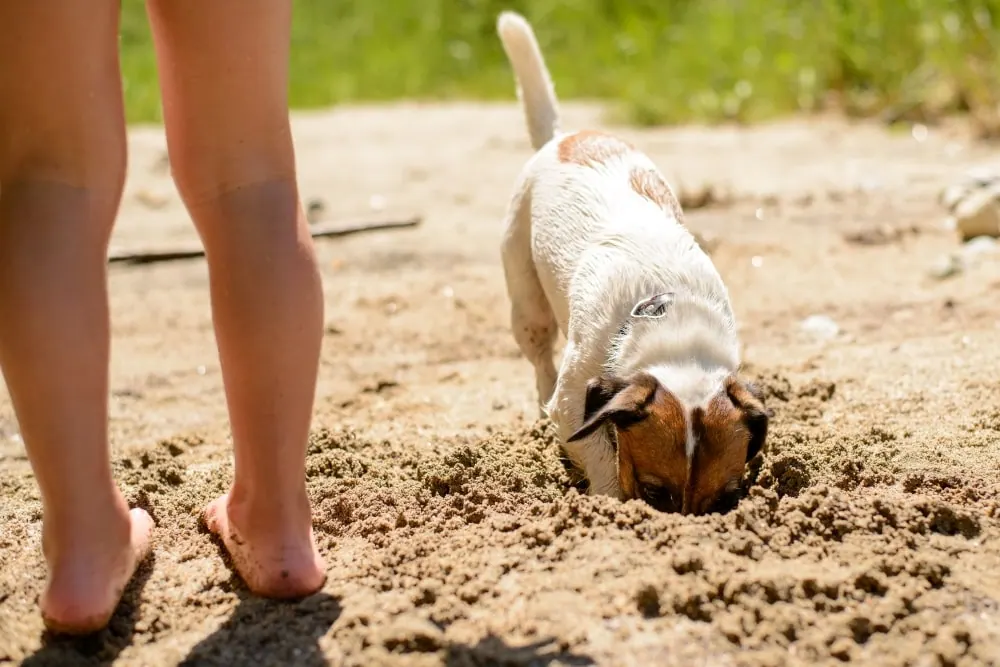
Dogs are fascinating creatures, and their behaviors often intrigue and puzzle their human companions. One of the most common behaviors that dog owners observe is digging. While it can sometimes be destructive, digging is a natural canine activity. Understanding why your dog digs is the first step toward managing this behavior effectively and harmoniously. Here are the top ten reasons why dogs dig.
Unearthing the Mysteries Behind Canine Digging Habits
- Instinctual Behavior Dogs descend from wild ancestors who dug for various reasons such as finding food, creating a shelter, or storing food. Breeds like terriers and hounds have strong digging instincts because their ancestors were bred to hunt burrowing animals. This instinctual drive can manifest in your backyard as your dog tries to fulfill their natural inclination.
- Hunting Prey Your garden might be a host to various creatures like moles, insects, and rodents. Dogs with a high prey drive may dig in an attempt to catch or investigate these critters. This behavior can be particularly pronounced in breeds that are natural hunters.
- Comfort and Protection In the wild, dogs might dig to create a nest that keeps them cooler in the summer and warmer in the winter. Your domestic dog may also dig to find comfort in temperature regulation or even attempt to create a safe haven if they feel anxious.
- Boredom Dogs require physical and mental stimulation, and without it, they turn to activities such as digging to keep themselves entertained. This is especially true for high-energy breeds that are not getting enough exercise or playtime.
- Excess Energy Similar to boredom, dogs with excess energy may choose to dig as a way to release it. Ensuring that your dog has enough physical activity can help mitigate excessive digging.
- Attention Seeking Dogs often learn that when they dig, they receive attention from their owners, even if it’s negative. If digging results in you spending time chasing or scolding them, they might dig as a way to interact with you.
- Anxiety and Stress Anxiety, stress, or separation anxiety can lead dogs to engage in compulsive behaviors like digging. This can be a self-soothing activity for them, providing a temporary relief from their anxiety.
- Hiding Valuables Dogs might dig to hide important items like bones, toys, or treats. This behavior is rooted in their instinct to protect valuable resources from potential threats.
- Communication In some cases, dogs may dig to leave their scent in an area, as a way of marking their territory. The act of digging engages their paw glands to release a scent that signals their presence to other animals.
- Reproduction During mating seasons, female dogs might dig as part of nesting behaviors, while male dogs might dig to find mates if they detect the scent of a female in heat.

Managing Digging Behavior
Understanding the reasons behind your dog’s digging is crucial in managing this behavior. Providing adequate exercise, mental stimulation, and attention can help reduce the incidence of digging due to boredom or excess energy. For instinctual diggers, providing a designated digging area or sandbox can channel the behavior appropriately. Consistent training and, when necessary, consulting with a professional dog trainer or behaviorist can also be beneficial in managing problematic digging.
Digging is a natural behavior for dogs, but with understanding and proper management, it can be controlled. By considering the above reasons and applying suitable interventions, you can help satisfy your dog’s digging instincts without letting it get out of hand, ensuring a happy and healthy environment for both your pet and your backyard.