Spices for Dogs: There Is No ‘Top 20’ Health List
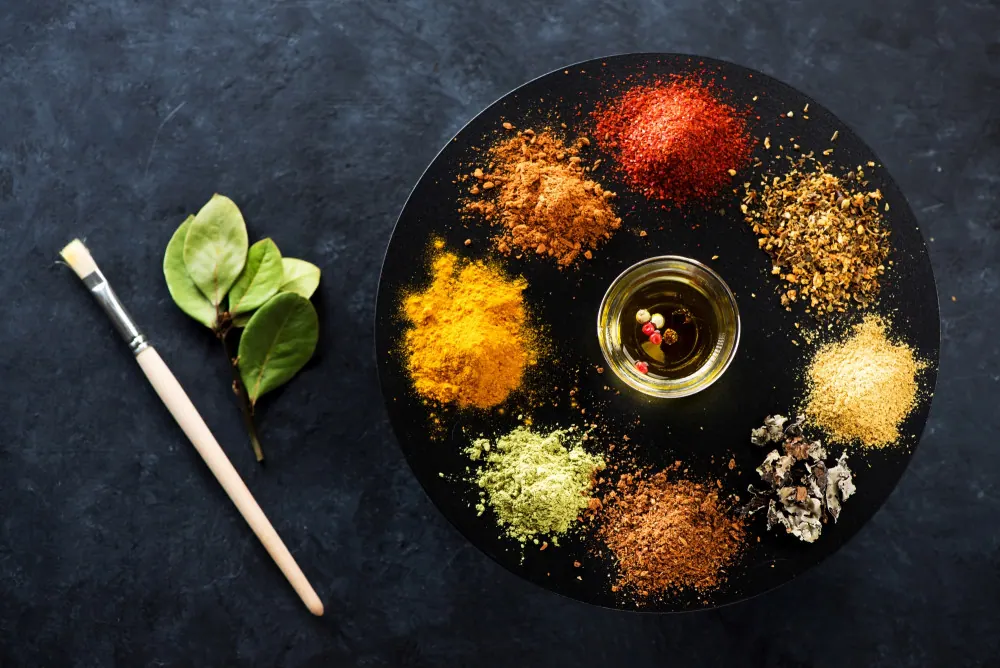
Dogs do not need a spice rack to be healthy, and there is no reliable list of “20 best spices” that will treat inflammation, balance blood sugar, or fight cancer. A pinch of a mild food herb such as parsley or basil is usually low risk in food-sized amounts for a healthy dog. That is not medicine. Turmeric, cinnamon, and ginger are often marketed as supplements; they are not a home protocol for arthritis, diabetes, or nausea. Never give onion, garlic, chives, leeks, nutmeg, mace, cocoa, or tea tree oil.
For general pet-health questions, the AVMA pet-owner resources are a reliable starting point, and your veterinarian should guide individual decisions.
If you want the full safe-versus-toxic breakdown, see our herbs and spices guide. Everyday nutrition should come from a complete food; see top dog food brands or wet vs dry dog food guide, and use a best training treats instead of flavored table scraps.
Why a “top 20 spices” list is the wrong frame
Most kitchen spices are unnecessary in a dog’s diet. Some are irritating in larger amounts. A few common baking and savory ingredients are toxic. Stacking spices because each one is rumored to “support the immune system” can also add fat, salt, or stomach upset without a clear benefit.
If a veterinarian has recommended a specific product, follow that advice. Do not invent a curcumin, cinnamon, or ginger dose from a blog, and do not treat vomiting with ginger if the cause might be an emergency.
What is actually low risk, and what to skip
Low risk in a pinch, as food, not as treatment: mild parsley or basil in a tiny amount for a healthy dog.
Skip entirely: onion, garlic, chives, leeks, nutmeg, mace, cocoa, chocolate, pennyroyal, and tea tree oil, including powders hidden in leftovers.
Ask your veterinarian first before adding turmeric, cinnamon, ginger, or any oil, especially for puppies and dogs with liver, kidney, or bleeding issues.


