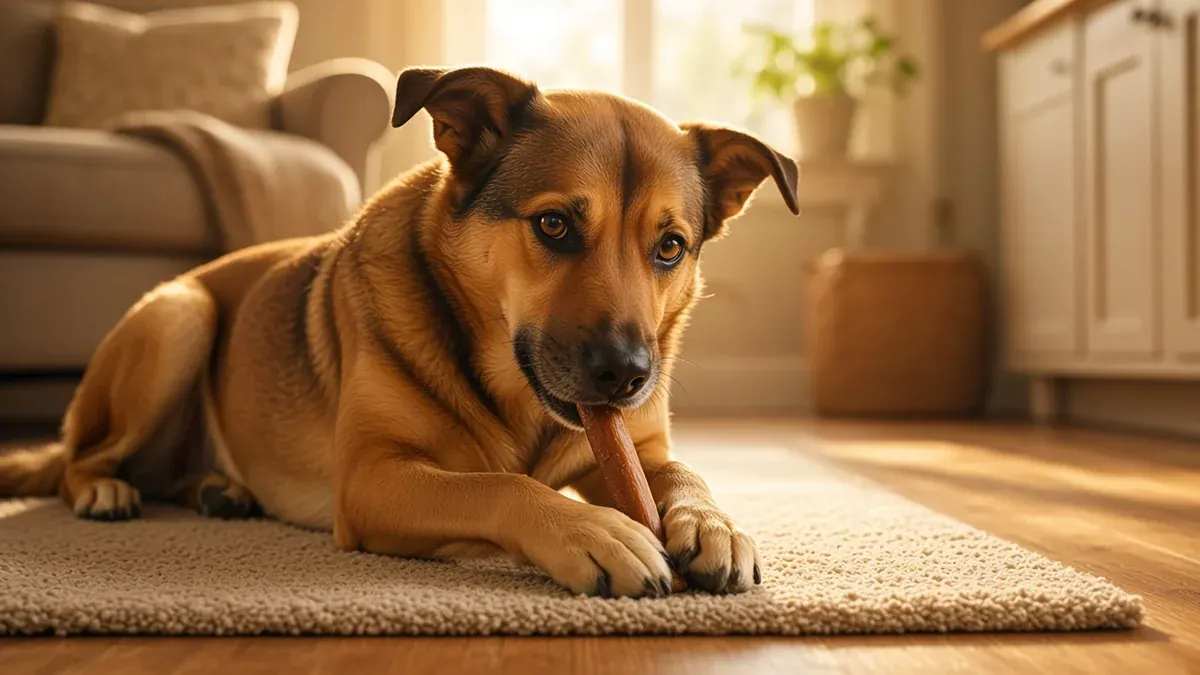
Best Training Treats for Dogs

The best training treat is the one your dog will work for, can swallow in a second, and will not blow up the day’s calorie budget. That usually means a very small, soft, smelly piece, not a large biscuit. During a 10-minute session you may deliver 20 or 30 rewards. If each one is a full-size biscuit, you have fed an extra meal. If the pieces are slow to chew, the timing of the reward falls apart.
A small bag of high-value treats is an easy stocking stuffer if you keep the portions modest. Our dog stocking stuffers guide includes a 2.1-ounce liver bag and a reminder to leave human candy out of the dog’s stocking.
Treats used in training should still be appropriate for the dog. For training methods and foundation skills, the AKC expert advice on dog training is a trustworthy overview.
This shortlist covers four researched, in-stock options: a classic 2-calorie soft treat in a large bag, a tiny bacon trainer with a lot of pieces in a 4-ounce pouch, a single-ingredient freeze-dried liver for high-distraction work, and a 20-ounce bag of soft bacon rewards for everyday practice. These are not a taste test we ran ourselves. Use them as rewards, count them as part of the diet, and keep anything rich to a dose your dog can handle.
As an Amazon Associate, we earn from qualifying purchases.
Quick picks
- Best everyday trainer: Zuke’s Mini Naturals, Chicken, 16 ounces — soft, pea-sized treats, about 2 calories each, in a bag that lasts through a lot of reps.
- Best tiny bag for pockets: Crazy Dog Mini Train-Me! Bacon, 4 ounces — a small pouch with about 200 treats, easy to carry on a walk.
- Best high-value, single-ingredient option: Vital Essentials Freeze-Dried Beef Liver, 2.1 ounces — break the pieces smaller; use for harder work, not as the only all-day snack.
- Best big bag for frequent practice: Pet Botanics Training Rewards, Bacon, 20 ounces — a soft, meaty reward sold as about 500 treats per bag.
Save the smelliest, richest pieces for new behaviors, busy sidewalks, or a puzzle toy that needs a stronger payoff. Use the milder everyday treats for simple cues your dog already knows at home.
Comparison of training treats
| Product | Best for | Texture | Size we linked | Good to know |
|---|---|---|---|---|
| Zuke’s Mini Naturals, Chicken | High-repetition training at home or in class | Soft and chewy, mini size | 16-ounce pouch | About 2 calories each, according to the listing. Easy to split again for tiny dogs. |
| Crazy Dog Mini Train-Me! Bacon | Walks and short sessions when you want a small bag | Soft mini treats | 4-ounce bag, about 200 treats | Pork-liver-based bacon flavor. A handy backup bag, not the cheapest per treat. |
| Vital Essentials Beef Liver | High-distraction work and picky dogs | Freeze-dried liver, breakable | 2.1-ounce bag | Single ingredient. Rich and smelly, so start small and watch the stomach. |
| Pet Botanics Training Rewards, Bacon | Daily training when you go through a lot of treats | Soft and chewy | 20-ounce bag, about 500 treats | Made with pork liver and bacon flavor. Convenient volume; still count the calories. |
Flavors and bag sizes change. If your dog has a chicken or beef allergy, read the current ingredient list rather than relying on the flavor name alone.
1. Best everyday trainer: Zuke’s Mini Naturals (Chicken, 16 ounces)
Who it’s for: Most dogs in basic manners, puppy class, or daily refreshers, especially when you need a treat small enough to repeat without ending the session early. The 16-ounce chicken pouch is the better value for regular training compared with a tiny bag you will finish in a week.
Zuke’s Mini Naturals are a long-standing trainer staple because they are soft, smell appealing, and are small enough to swallow quickly. The listing describes them as about 2 calories each, which is the right neighborhood for high-rep work. You can still break a piece in half for a toy-breed puppy. Soft treats also matter when you are teaching a precise cue: the dog should not sit down to crunch through a biscuit while you are trying to mark a behavior.
Trade-offs: “Natural” does not mean this is the only food your dog needs, and chicken is a common protein. If your dog itches or has a prescribed limited-ingredient diet, choose a treat that matches that plan. A 16-ounce pouch can dry out if it is left open; roll it down or move some treats into a small training pouch and seal the rest.
Check the current price of Zuke’s Mini Naturals on Amazon
2. Best small pouch: Crazy Dog Mini Train-Me! (Bacon, 4 ounces)
Who it’s for: People who want a pocket-sized bag for walks, or a second flavor to rotate with chicken. This 4-ounce bacon pouch is sold as about 200 mini treats with a pork-liver base.
A small bag is easier to toss in a coat pocket than a 16-ounce pouch. The treats are meant to be swallowed quickly, which is what you want when you are rewarding a loose leash or a check-in on a busy sidewalk. Bacon flavor and a liver base are often higher value than a mild chicken treat, so this can be a step up when the environment gets harder, without jumping all the way to freeze-dried liver.
Trade-offs: You will buy this bag more often if you train daily, and the cost per treat is usually higher than a large pouch. Like any soft treat, it can get sticky in a hot pocket. If your dog cannot have pork, skip this one. For leash-walking practice, pair a high rate of tiny rewards with a short session, then quit while the dog is still successful.
Check the current price of Crazy Dog Mini Train-Me! treats on Amazon
3. Best high-value option: Vital Essentials Freeze-Dried Beef Liver (2.1 ounces)
Who it’s for: Dogs that ignore ordinary biscuits outdoors, or trainers who want a single-ingredient payoff for a difficult skill. This 2.1-ounce bag is freeze-dried beef liver, nothing else on the ingredient list.
Freeze-dried liver is a classic “jackpot” treat. The smell is strong, the taste is rich, and many dogs will work harder for it than for a grain-based snack. Because the pieces are often larger and crunchier than a mini training morsel, you should break them into crumbs or pea-sized bits before the session. That keeps the reward fast and stops a small dog from getting a huge calorie load in three pieces.
Trade-offs: Liver is rich. A sudden handful can cause loose stools, especially in puppies or sensitive dogs. Introduce a small amount first. The 2.1-ounce bag is also easy to finish if you treat it like an everyday kibble topper. Save it for the hard stuff: a new recall, a vet-visit setup, or a crowded park. Keep the bag sealed; freeze-dried meat can pick up moisture and go stale.
Check the current price of Vital Essentials Beef Liver treats on Amazon
4. Best big bag: Pet Botanics Training Rewards (Bacon, 20 ounces)
Who it’s for: Households that train a little every day and do not want to run out mid-week. The 20-ounce bacon bag is a soft, chewy reward made with pork liver and bacon flavor, and it is commonly sold as about 500 treats in this size.
Volume is the point of this pick. If you are practicing sit, down, crate manners, or name recognition several times a day, a large bag of soft treats is more practical than constantly reordering 4-ounce pouches. The soft texture still allows fast delivery. These are also a reasonable filling for a snuffle mat or a simple puzzle, as long as you subtract them from the day’s food.
Trade-offs: A 20-ounce bag is only a good deal if the treats stay fresh and your dog actually likes them. Soft treats can clump if the bag is left open. This is still a processed training snack, not a complete meal. If your dog needs a very limited ingredient list, a single-ingredient liver piece may be a better fit than a mixed bacon-and-liver recipe.
Check the current price of Pet Botanics Training Rewards on Amazon
How to use training treats well
Cut or break treats down until they are about the size of a pea, or smaller for tiny dogs. The dog should swallow and come right back to work. If you hear crunching, the piece is probably too large or too hard for rapid rewards.
Pay with a purpose. Use everyday treats for easy wins at home. Switch to a higher-value option when you add distance, duration, or distractions. That contrast is more useful than using liver for every “sit” in the kitchen. Keep a small pouch on you and leave the bulk bag sealed in a cool, dry place.
Count treats as food. If you run a long session, feed a slightly smaller meal or use part of the day’s kibble as the low-value reward and save the meaty treats for the harder reps. Dogs on a diet, or on a veterinary food, need an even tighter plan; ask your veterinarian how many extra calories are acceptable.
Skip anything with xylitol (sometimes listed as birch sugar), and be careful with fatty table scraps used as “training treats.” Rich, greasy food can trigger stomach upset, and in some dogs, pancreatitis. For puppies, choose soft, small treats and keep sessions short, especially while they are still on teething toys and learning that hands predict food, not a scuffle over a chew.
Frequently asked questions
If you take one thing from this list, let it be this: pay your dog with a tiny, soft piece they love, save the richest treats for the hard work, and subtract those calories from the bowl. The treat is a tool, not a second dinner.