5 Reasons Why Dogs Eat Poop
We earn from qualifying Amazon purchases. It doesn't change what we recommend.
Look for a complete-and-balanced statement as explained in the FDA guidance on complete and balanced pet food and AAFCO’s consumer guide to understanding pet food. The WSAVA Global Nutrition Guidelines are a useful higher-level reference when you are choosing a food.
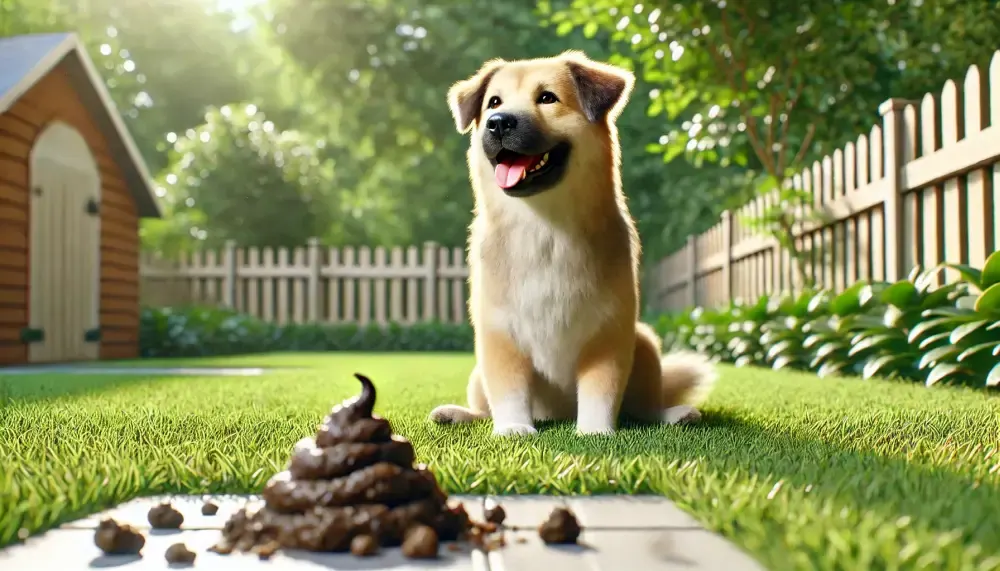
Dogs are known for their loyalty, playfulness, and sometimes, their downright bizarre behaviors. Among these, one of the most disturbing to pet owners is the act of coprophagia—when a dog consumes its own feces or that of other animals. While this habit might seem revolting to humans, it’s a relatively common issue among dogs. Understanding why your dog might be engaging in this behavior is the first step toward addressing it effectively. Here are five reasons why dogs eat poop.
Understanding Coprophagia: The Reasons Why Dogs Eat Poop
1. Nutritional Deficiencies
One of the most common reasons dogs may start eating poop is due to nutritional deficiencies. Dogs who are not getting enough vitamins, minerals, or calories from their diet may resort to eating feces as a way to supplement their intake. This behavior can also be observed in dogs that are fed poor-quality food or are not absorbing nutrients properly due to gastrointestinal diseases. Ensuring your dog is on a well-balanced diet tailored to their specific needs can help mitigate this behavior.
2. Enzyme Deficiency
Dogs have evolved as scavengers, eating whatever they could find. Modern dog diets, however, may lack sufficient natural enzymes that help in the digestion of food. Some believe that dogs eat feces to replenish these missing enzymes, thereby helping them to digest their food more efficiently. Adding enzyme supplements to their diet or providing a more varied diet that includes more natural foods might help curb their poop-eating habits.
3. Puppyhood Habits
In puppies, eating poop is often a natural exploration behavior. Puppies are naturally curious and may eat feces as a part of exploring their environment. Mother dogs often lick their puppies to clean them and will sometimes eat their feces. Puppies might mimic this behavior from their mother. Most puppies will outgrow this habit as they mature, but it’s important to discourage this behavior gently and consistently.
4. Cleanliness
Some dogs may eat poop to keep their environment clean. A dog that is confined to a small space or one that is keen to avoid soiling their living area may resort to eating feces to keep their space clean. This behavior can be more prevalent in dogs that have been punished for housebreaking accidents in the past, leading them to believe that poop must be removed immediately, and eating it is a way to do that. Ensuring your dog has ample opportunities to relieve themselves outdoors and maintaining a clean living area can help reduce the incidence of this behavior.
5. Attention-Seeking Behavior
Some dogs might eat poop simply because it gets them attention from their owners. Even if the attention is negative, the dog may perceive it as better than no attention at all. Dogs that feel neglected or crave interaction might resort to this undesirable behavior just to provoke a reaction from their owner. Providing ample physical and mental stimulation for your dog is crucial. Engage in regular playtime, walks, and training sessions to help them channel their energy more positively.
Preventing and Addressing Dog’s Poop Eating Behavior
Understanding why your dog eats poop is the first step in addressing the behavior. Consult with a veterinarian to rule out any health issues that might be contributing to the behavior, and ensure your dog is receiving a balanced diet. Training and behavioral modification can also be beneficial, especially for puppies or dogs that are eating poop due to behavioral issues. Positive reinforcement, like rewarding your dog for leaving feces alone, can be effective in correcting this behavior.
While dogs eating poop can be a distressing sight for many pet owners, it’s often a sign of an underlying issue that can be addressed. Whether it’s dietary, behavioral, or health-related, understanding the root cause can help you effectively curb this undesirable habit. With patience and proper care, you can help your dog overcome this unpleasant behavior and maintain a healthier, happier lifestyle.