Allergy Friendly Dog Breeds
This is general information, not a diagnosis. The Merck Veterinary Manual dog-owner pages are a reliable place to read more before you talk with your veterinarian.
For many, the joy of owning a dog is something that seems a distant dream due to allergies. However, certain breeds have characteristics that may help reduce allergic reactions in sensitive individuals. These breeds are often referred to as hypoallergenic dogs. Although no dog is completely hypoallergenic, some breeds tend to produce fewer allergens than others, primarily through less shedding or producing less dander, which is the primary trigger for pet allergies.
Understanding Hypoallergenic Dogs
The term “hypoallergenic” suggests a lower likelihood of causing an allergic reaction. In dogs, the major allergens are found in their dander (skin flakes), saliva, and urine. Breeds considered hypoallergenic typically have a non-shedding coat that produces less dander. It’s important to note that individual reactions to different breeds can vary widely.
Top Hypoallergenic Dog Breeds
1. Poodle (Toy, Miniature, and Standard)
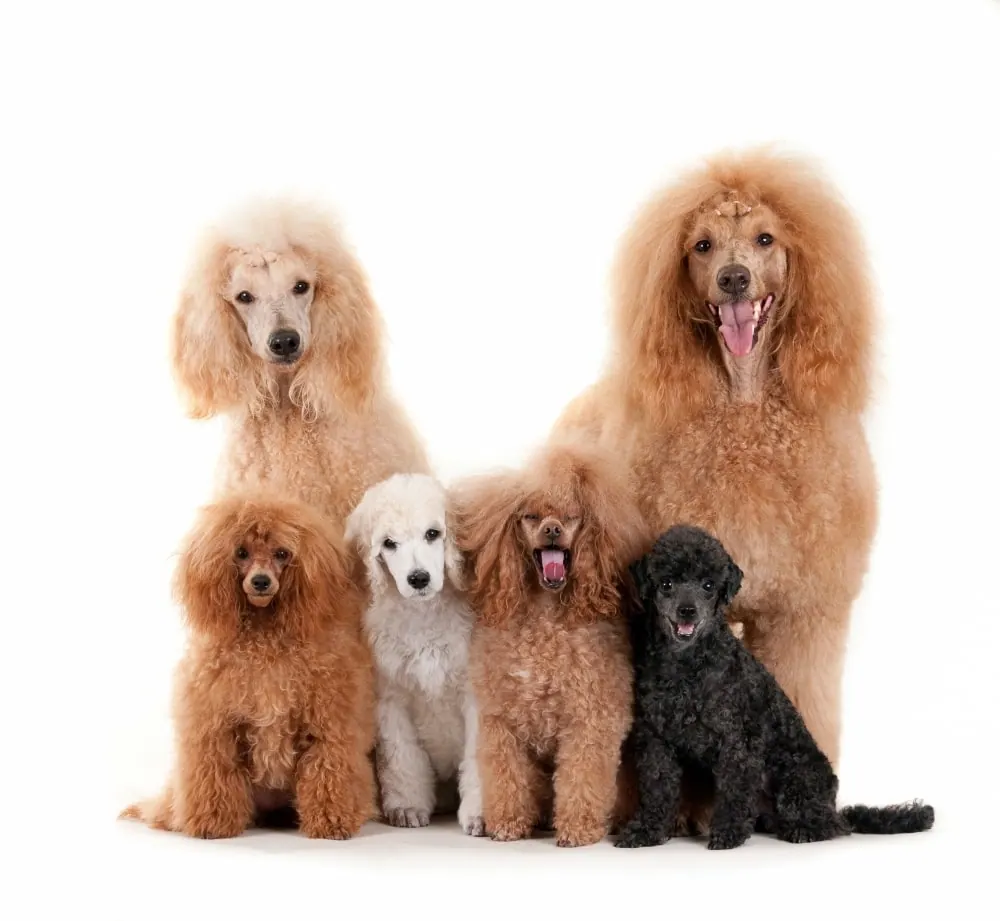
The Poodle, available in toy, miniature, and standard sizes, is famed not only for its intelligence and elegance but also for its minimal shedding. Their unique curly coats trap dander and require regular grooming to prevent matting. This breed is incredibly versatile, excelling in a variety of dog sports and activities, including agility and obedience. They are also known for their loyal nature and sensitivity to their owners’ moods, making them excellent family pets.
2. Bichon Frise
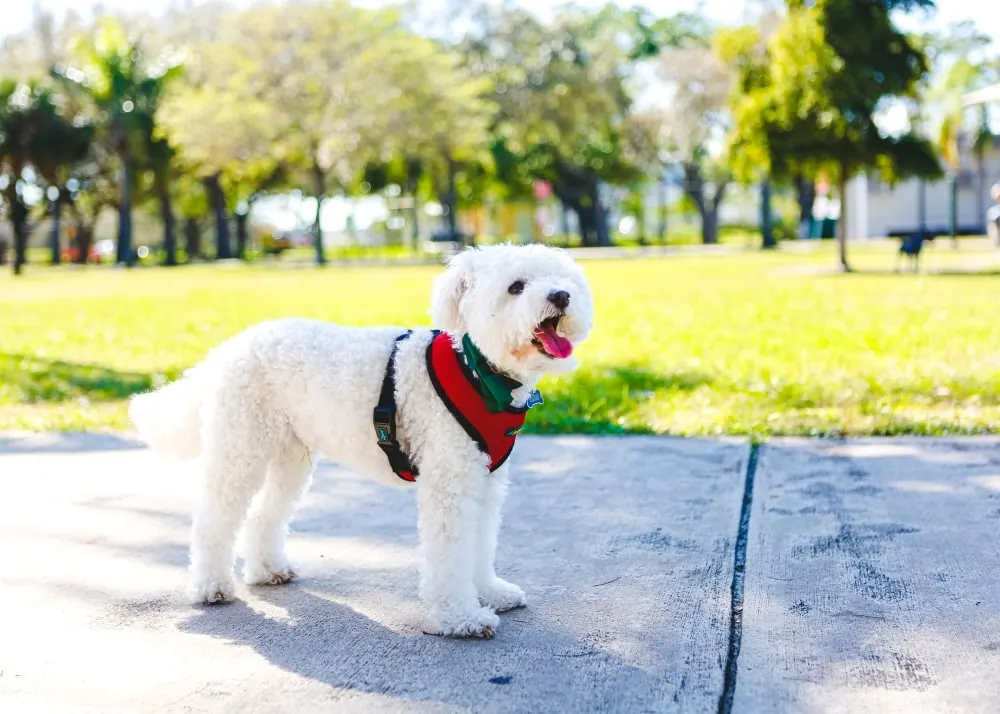
The Bichon Frise is a small breed known for its cheerful attitude and love of mischief. Their coat is hypoallergenic, consisting of a soft and velvety undercoat and a curly outer coat that doesn’t shed much but requires regular grooming to stay mat-free. Bichons are particularly known for their resilience and adaptability, thriving in various living situations and making excellent companions for families and seniors alike.
3. Schnauzer (Miniature, Standard, and Giant)
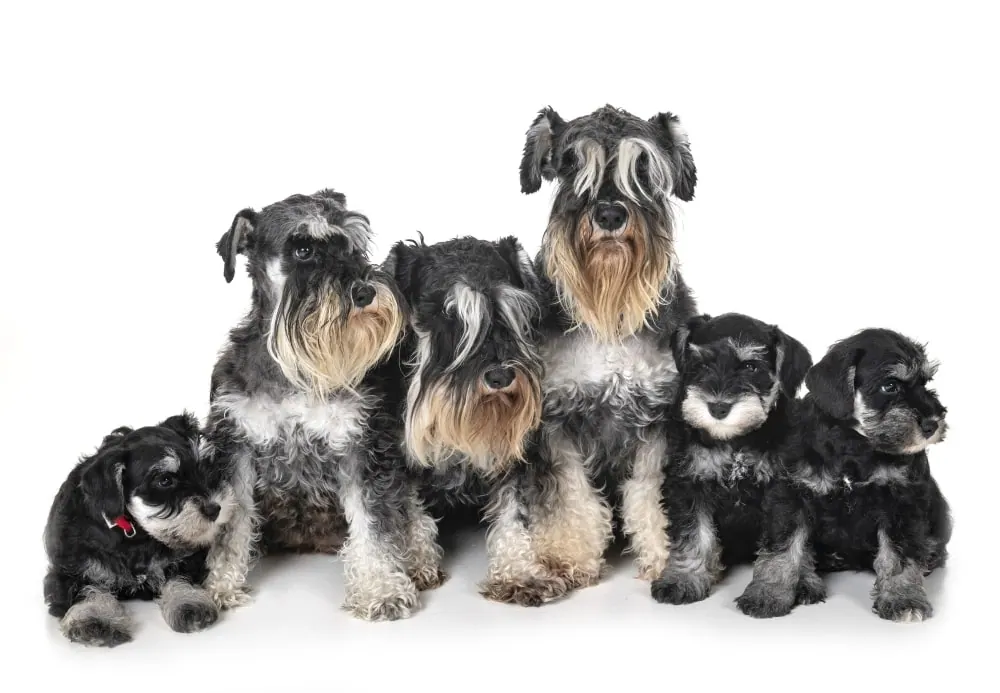
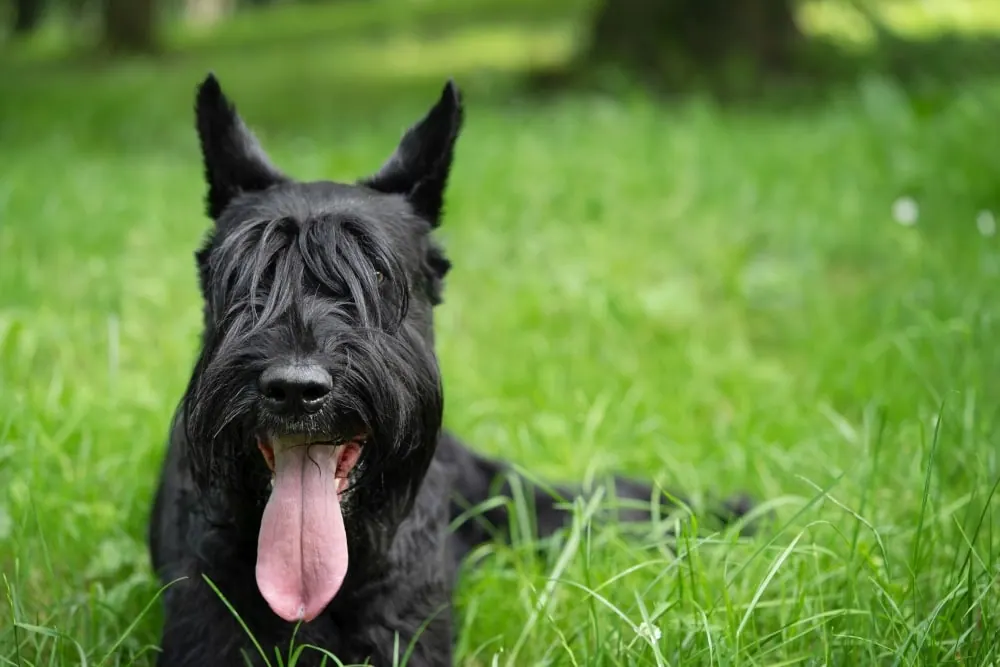
Schnauzers come in three sizes—miniature, standard, and giant—all known for their distinctive bearded snouts and wiry topcoat over a soft undercoat. Their double coat traps dander but requires regular brushing and professional grooming to maintain its condition. Schnauzers are highly energetic and protective, making them excellent watchdogs. They also possess a robust, playful nature, which makes them well-suited for families with children.
4. Portuguese Water Dog
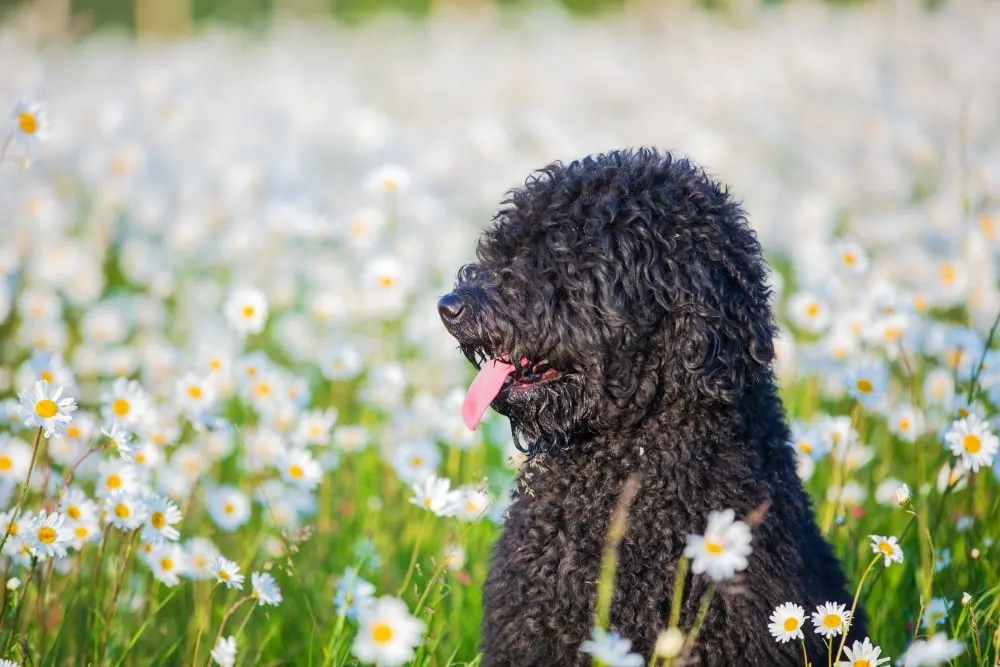
The Portuguese Water Dog, once used by fishermen in Portugal, is a robust, intelligent breed known for its swimming ability. This breed has a waterproof coat, either curly or wavy, that does not shed much, making it a good choice for allergy sufferers. They require regular grooming to prevent matting and to manage their dense coat. Energetic and affectionate, Portuguese Water Dogs are excellent companions who thrive on being involved in family activities. They are known for their loyalty and are eager to please, making them relatively easy to train.
5. Scottish Terrier
The Scottish Terrier, often known as the “Scottie,” features a distinctive profile with a wiry outer coat and a soft, dense undercoat. They shed very little but require regular grooming to keep their coat in good condition. Scotties are known for their spirited personality and independent nature. They can be somewhat reserved, but they are fiercely loyal to their family. As a breed with a strong prey drive, they benefit from training and activities that channel their hunting instincts constructively.
6. Maltese
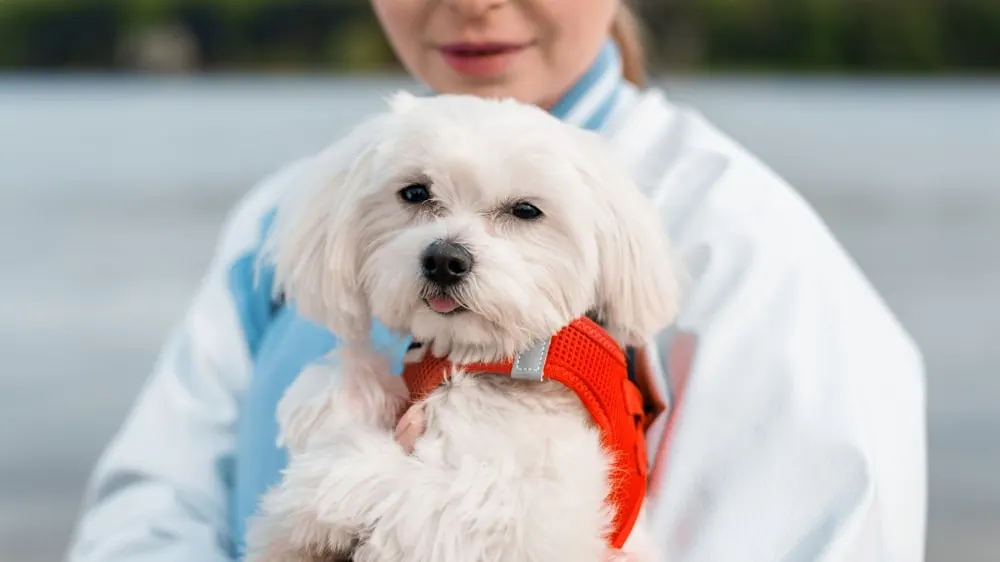
The Maltese is a small and mighty breed, known for its long, flowing white coat that feels silky to the touch. Despite its luxurious appearance, the breed sheds very little, making it suitable for allergy sufferers. The Maltese is a gentle, affectionate breed that thrives on companionship. They are highly adaptable to their living environment, making them ideal for city dwellers. However, they require regular grooming to maintain their coat and prevent tangles.
7. Yorkshire Terrier
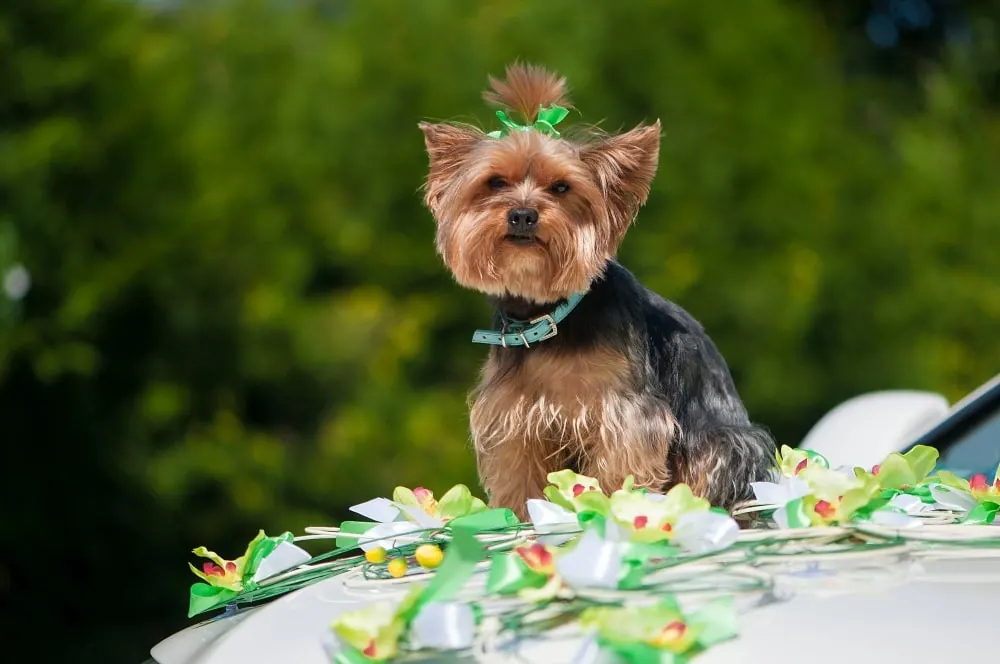
Yorkshire Terriers, or “Yorkies,” are known for their beautiful, fine, silky hair, which is very similar to human hair and sheds very minimally. This breed is spirited and small but has a personality that is often feisty and domineering. Yorkies are affectionate with their owners and can be very protective. They require regular grooming to maintain their hair’s silky texture and to prevent knots. Despite their small size, they are energetic and enjoy regular play sessions and walks.
Recognizing the Symptoms of Dog Allergies
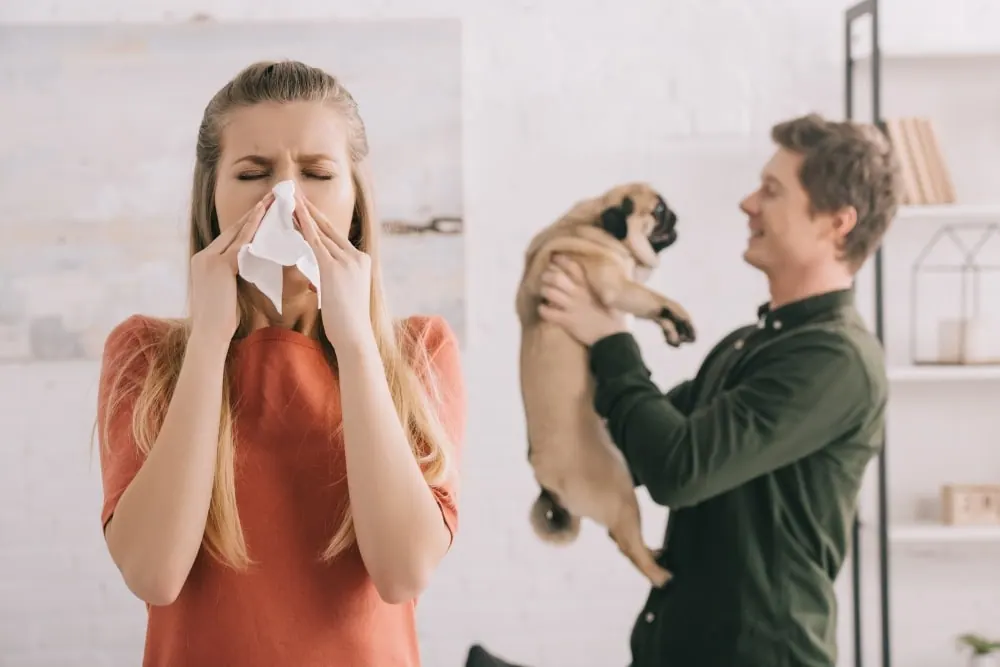
When someone is allergic to dogs, their immune system reacts to certain proteins found primarily in the dog’s dander, saliva, and urine. These allergic reactions can manifest through a variety of symptoms that range from mild to severe, depending on the individual’s sensitivity and the level of exposure. Common symptoms include sneezing, runny or stuffy nose, and nasal congestion, which are typical of many airborne allergens. Some individuals may also experience itchy, red, or watering eyes, a symptom known as allergic conjunctivitis.
For those with more severe allergies, symptoms can extend to the skin, leading to eczema or hives, which appear as red, itchy rashes. Asthmatic reactions are also a serious concern, characterized by wheezing, shortness of breath, chest tightness, and coughing. These respiratory symptoms can occur shortly after exposure to allergens and can be particularly distressing.
Additionally, some people may experience a heightened allergic reaction known as allergic rhinitis, which can significantly impair daily functioning, causing persistent sneezing, facial pressure, or severe itchiness. It’s important for those experiencing these symptoms to consult with an allergist for accurate diagnosis and effective management strategies, which might include medication, lifestyle adjustments, or allergy immunotherapy.

Living with a Hypoallergenic Dog
Choosing a hypoallergenic dog can be a great option for allergy sufferers, but it’s important to manage expectations. Regular grooming and maintaining cleanliness at home are crucial steps in minimizing exposure to allergens. This includes frequent baths and brushing for the dog, as well as vacuuming and dusting the home regularly to remove any dander that does accumulate.
Allergy Testing and Visits
Before bringing a hypoallergenic dog into your home, consider visiting someone who already owns the breed you’re interested in. This can help determine your reaction to a particular breed. Additionally, discussing your pet plans with an allergist can provide guidance tailored to your specific allergies.
While no dog can be guaranteed to be completely non-allergenic, hypoallergenic breeds offer a possibility for allergy sufferers to enjoy the companionship of a pet. With proper management, choosing one of these breeds can help minimize allergic reactions and enhance your quality of life with a furry friend.
Choosing a dog that fits your lifestyle and managing your environment carefully can make pet ownership more enjoyable and far less sneezy. Whether you live in a sprawling country home or a compact city apartment, there is likely a hypoallergenic dog that can become a loving part of your family.