Anemia in Dogs: Symptoms, Causes, and Treatment
We earn from qualifying Amazon purchases. It doesn't change what we recommend.
This is general information, not a diagnosis. The Merck Veterinary Manual dog-owner pages are a reliable place to read more before you talk with your veterinarian.
Anemia is a common condition in dogs, which occurs when there is a decrease in the number of red blood cells (RBCs), hemoglobin, or both. Since red blood cells are essential for carrying oxygen throughout the body, anemia can lead to serious health complications. Understanding the symptoms, causes, and treatments for anemia in dogs is critical for any pet owner to ensure their dog lives a healthy, happy life.
What is Anemia in Dogs?
Anemia in dogs is not a disease itself, but rather a symptom of an underlying condition. The red blood cells in a dog’s body play a vital role in delivering oxygen to tissues and organs. When a dog is anemic, it means that their red blood cell count is lower than normal, leading to reduced oxygen levels. This can result in fatigue, weakness, and more severe health issues if left untreated.
There are two main types of anemia in dogs:
- Regenerative Anemia: This type of anemia occurs when the body tries to produce more red blood cells to make up for the loss. It is often a sign of blood loss or destruction of red blood cells.
- Non-regenerative Anemia: In this case, the bone marrow fails to produce enough red blood cells. This can be caused by chronic disease or bone marrow disorders.
Symptoms of Anemia in Dogs
Recognizing the symptoms of anemia in your dog early can be crucial for timely diagnosis and treatment. Some common signs include:
- Pale Gums: One of the easiest ways to detect anemia is by checking your dog’s gums. Healthy gums should be pink. If they appear pale or white, it could indicate anemia.
- Lethargy: If your dog seems unusually tired or has a lack of energy, this could be due to decreased oxygen delivery to their organs.
- Weakness: An anemic dog may experience muscle weakness, difficulty standing, or a lack of coordination.
- Rapid Breathing or Heart Rate: Anemia can cause your dog to breathe faster or have an elevated heart rate as their body compensates for the lack of oxygen.
- Loss of Appetite: Dogs with anemia may not show interest in food and may lose weight as a result.
- Dark or Tarry Stools: Blood loss through the gastrointestinal tract can cause the dog’s stools to appear dark or tarry, which is a potential sign of anemia.
If you notice any of these symptoms, it’s essential to seek veterinary care to determine the cause of your dog’s anemia and begin treatment.
Causes of Anemia in Dogs
Several conditions can lead to anemia in dogs. Here are the most common causes:
- Blood Loss: This is the most straightforward cause of anemia. Blood loss can occur due to injury, surgery, or internal bleeding from conditions like stomach ulcers or cancer.
- Parasites: External parasites, such as fleas and ticks, and internal parasites, like hookworms, can cause blood loss that may lead to anemia.
- Immune-Mediated Hemolytic Anemia (IMHA): In this condition, the dog’s immune system mistakenly attacks and destroys its red blood cells. It is a serious and potentially life-threatening cause of anemia.
- Chronic Disease: Dogs with chronic conditions like kidney disease, liver disease, or cancer may develop non-regenerative anemia as a secondary complication.
- Nutritional Deficiency: A lack of essential nutrients, especially iron, can result in anemia. Iron deficiency anemia is rare in dogs but can occur if their diet lacks sufficient iron or if they have chronic blood loss.
- Bone Marrow Disorders: Diseases that affect the bone marrow’s ability to produce red blood cells, such as leukemia or other cancers, can lead to non-regenerative anemia.
Diagnosing Anemia in Dogs
Veterinarians use several methods to diagnose anemia in dogs:
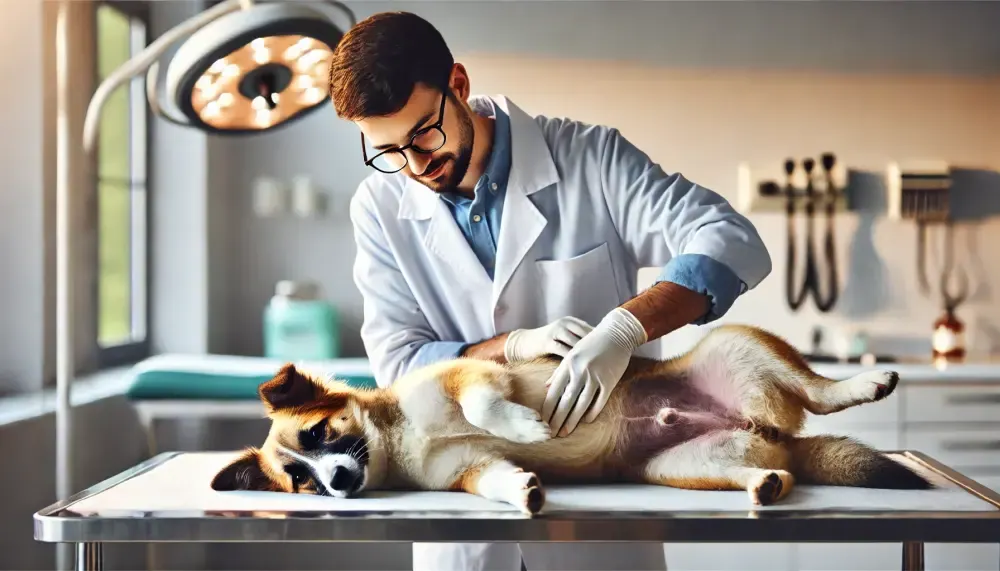
- Physical Examination: A vet will check your dog’s gums, heart rate, and breathing to assess the severity of the anemia.
- Blood Tests: A complete blood count (CBC) is often the first diagnostic test. This measures the number of red blood cells, hemoglobin levels, and white blood cells to evaluate the extent of anemia and possible infections.
- Bone Marrow Test: In cases of non-regenerative anemia, a bone marrow biopsy or aspiration may be necessary to determine if the bone marrow is producing enough red blood cells.
- Imaging: X-rays or ultrasound may be used to detect internal bleeding or tumors that could be causing anemia.
Treatment Options for Anemia in Dogs
The treatment for anemia in dogs depends on the underlying cause. Here are some common treatment options:
- Blood Transfusion: In severe cases of anemia, especially those caused by blood loss or immune-mediated conditions, a blood transfusion may be necessary to restore normal red blood cell levels quickly.
- Medications: Depending on the cause of anemia, your veterinarian may prescribe medications to control the underlying condition. For example, dogs with IMHA may require immunosuppressive drugs, while dogs with parasitic infections may need anti-parasitic medications.
- Iron Supplements: If your dog has iron deficiency anemia, your vet may recommend iron supplements or a diet rich in iron to boost red blood cell production.
- Surgery: If internal bleeding or tumors are causing the anemia, surgery may be required to remove the source of the problem.
- Dietary Changes: A balanced diet rich in essential nutrients, particularly iron and B vitamins, can help prevent anemia caused by nutritional deficiencies.
Preventing Anemia in Dogs
While some causes of anemia cannot be prevented, there are steps you can take to minimize the risk:
- Parasite Control: Regularly use flea and tick preventatives and ensure your dog is dewormed to prevent parasitic infections that can cause blood loss.
- Regular Check-ups: Routine vet visits can help catch any underlying health issues early before they develop into anemia.
- Balanced Diet: Ensure your dog is eating a nutritionally complete diet to prevent deficiencies that could lead to anemia.
- Monitor for Injuries: Keep a close eye on your dog, especially if they have been injured or undergone surgery, to ensure there is no excessive blood loss.
Anemia in dogs is a serious condition that requires prompt attention. By being aware of the symptoms and causes, you can act quickly to get your dog the treatment they need. Regular veterinary care, a balanced diet, and parasite prevention can help reduce your dog’s risk of developing anemia, ensuring they live a long and healthy life. Always consult your vet if you suspect your dog may be suffering from anemia, as early intervention can make all the difference.