Are Eggshells Good for Dogs? Benefits and Safe Feeding Tips
We earn from qualifying Amazon purchases. It doesn't change what we recommend.
For general pet-health questions, the AVMA pet-owner resources are a reliable starting point, and your veterinarian should guide individual decisions.
Eggshells are an unexpected yet valuable source of nutrients for dogs, particularly as a natural calcium supplement. While many dog owners may shy away from feeding eggshells, they are an excellent and safe option when prepared correctly. This article explores the benefits of eggshells for dogs, their nutritional value, and safe feeding practices to ensure your dog thrives.
Nutritional Benefits of Eggshells for Dogs
Eggshells contain primarily calcium carbonate, a compound that is a vital source of calcium. Calcium is essential for many bodily functions in dogs, including maintaining strong bones, supporting muscle contraction, and regulating the nervous system. Beyond calcium, eggshells also contain trace amounts of other minerals such as magnesium, phosphorus, and zinc, all of which contribute to overall health.
1. Calcium for Bone Health
Calcium is crucial for the development and maintenance of healthy bones and teeth. Dogs, especially those on a homemade or raw diet, often require additional calcium to balance their meals. Eggshells are a natural and readily available option to meet this need. By providing calcium through eggshells, pet owners can help prevent issues like brittle bones, arthritis, and other skeletal disorders.
2. Boosting Muscle and Nerve Function
In addition to its role in bone health, calcium plays a vital role in muscle contraction and proper nerve signaling. Ensuring your dog has enough calcium through eggshells helps their muscles function optimally, supports heart health, and aids in proper nerve communication throughout the body.
3. Supporting Digestion and Enzyme Function
Calcium also aids in digestion by supporting the production of digestive enzymes, which helps break down food more efficiently. This is particularly beneficial for older dogs or those with digestive issues, as proper calcium intake promotes better nutrient absorption.
How to Safely Prepare Eggshells for Your Dog
While eggshells are a nutritious addition to your dog’s diet, they must be prepared correctly to ensure safety. Raw eggshells or improperly prepared eggshells may harbor bacteria or be too sharp for your dog to digest. Here are some steps to ensure you’re feeding eggshells safely:
1. Clean and Dry the Eggshells
After using the eggs, rinse the shells thoroughly to remove any remaining egg whites or yolk. Once clean, let the eggshells dry completely. This step is crucial to ensure that no bacteria, such as Salmonella, remain on the shells. You can air-dry them or bake them at a low temperature (around 200°F / 94°C) for 10 minutes to ensure any harmful microorganisms are destroyed.
2. Crush the Eggshells Into a Fine Powder
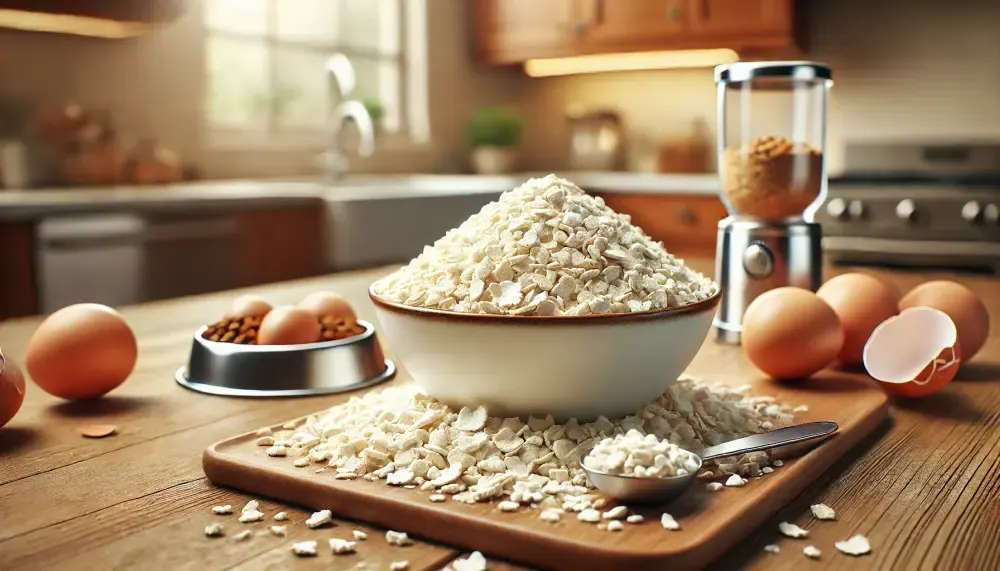
Once the eggshells are dry, crush them into a fine powder. You can use a mortar and pestle, a blender, or a coffee grinder for this step. The finer the powder, the easier it will be for your dog to digest, and it reduces the risk of any sharp edges potentially causing injury.
3. Measure the Right Amount
It’s important not to overfeed your dog eggshells. Too much calcium can lead to health problems, such as kidney stones or calcification of soft tissues. As a general guideline, one teaspoon of eggshell powder contains approximately 800 to 1,000 milligrams of calcium. Consult your veterinarian to determine the right amount for your dog’s size, age, and dietary needs. Typically, small dogs may require just 1/4 teaspoon, while large dogs may need up to 1/2 teaspoon per day.
4. Mix the Powder with Food
Once your eggshells are crushed into a powder, mix the appropriate amount with your dog’s regular food. You can mix it into wet food, raw meals, or even sprinkle it over kibble. Make sure to blend it well to ensure even distribution throughout the meal.

Eggshells vs. Commercial Calcium Supplements
Many dog owners wonder if they should feed eggshells or opt for a commercial calcium supplement. While both options provide calcium, eggshells offer a natural and cost-effective alternative to store-bought supplements. They are also free from additives or artificial ingredients that may be present in commercial products.
Eggshells, however, may lack precise dosing or additional nutrients that are found in some commercial supplements designed specifically for dogs. For this reason, it’s essential to consult your veterinarian before making the switch, particularly if your dog has underlying health conditions that require careful calcium management.
Are Eggshells Safe for All Dogs?
Eggshells are generally safe for most dogs when prepared and given in the right quantities. However, there are some exceptions:
- Dogs with Kidney Disease: Dogs with kidney issues may not process calcium efficiently. High calcium intake can exacerbate kidney problems, leading to complications. Always consult your veterinarian before adding eggshells to the diet of a dog with kidney disease.
- Puppies: While puppies need calcium for growth, too much calcium can lead to developmental issues such as bone deformities. If you’re considering giving eggshells to a puppy, speak to your vet to determine the appropriate amount.
Potential Risks of Feeding Eggshells to Dogs
Feeding your dog eggshells has great benefits, but there are potential risks if not handled properly:
- Sharp Edges: If the eggshells are not crushed finely enough, they may have sharp edges that could damage your dog’s mouth, throat, or digestive tract. Always ensure that the shells are ground to a fine powder before feeding.
- Over-supplementation: Giving your dog too much calcium can lead to hypercalcemia, a condition where there is too much calcium in the bloodstream. This can cause problems such as vomiting, lethargy, excessive thirst, or even kidney issues in severe cases.
In moderation and when prepared correctly, eggshells are an excellent source of calcium and other minerals that can enhance your dog’s overall health. By incorporating finely ground eggshell powder into your dog’s diet, you provide a natural supplement that supports bone, muscle, and digestive health.
As with any dietary change, it’s essential to consult your veterinarian before adding eggshells to your dog’s food, particularly if your dog has any pre-existing health conditions. With the right approach, eggshells can be a valuable addition to your dog’s nutrition plan, promoting a healthy and active life.


