Beef Heart for Dogs: A Nutritious Addition to Your Dog’s Diet
We earn from qualifying Amazon purchases. It doesn't change what we recommend.
For a related food question, see Beef Esophagus for Dogs: An Occasional Supervised Chew, Not a Perfect Treat.
Look for a complete-and-balanced statement as explained in the FDA guidance on complete and balanced pet food and AAFCO’s consumer guide to understanding pet food. The WSAVA Global Nutrition Guidelines are a useful higher-level reference when you are choosing a food.
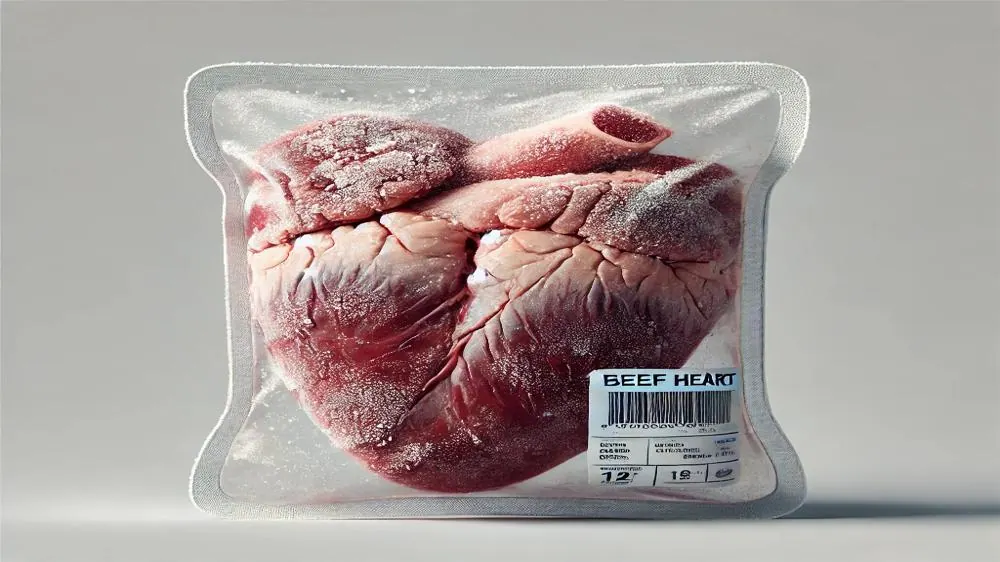
Beef heart is a fantastic addition to a dog’s diet, offering high-quality protein, essential vitamins, and minerals that support overall health. As a nutrient-dense organ meat, it provides more than just protein—it includes vital nutrients like B vitamins, iron, zinc, and phosphorus, which are crucial for maintaining your dog’s health.
Nutritional Benefits of Beef Heart for Dogs
- Rich in Protein: Protein is the building block of your dog’s body, supporting muscle growth, tissue repair, and overall energy. Beef heart contains a high amount of protein, making it an excellent option for active dogs or those needing a protein boost.
- Contains Taurine: Taurine is an amino acid vital for maintaining heart health in dogs. Feeding beef heart ensures your dog gets a sufficient amount of taurine, which is particularly important for breeds prone to heart issues.
- High in B Vitamins: Beef heart is rich in B vitamins, especially B12 and riboflavin, which help with energy production, red blood cell formation, and maintaining a healthy nervous system.
- Good Source of Iron and Zinc: These minerals are essential for immune function, wound healing, and maintaining healthy skin and coat. Including beef heart in your dog’s diet helps keep their immune system strong and supports overall vitality.
- Low in Fat: Despite being a nutrient-dense organ, beef heart is relatively low in fat, making it a suitable option for dogs that need to maintain a healthy weight.
How to Prepare Beef Heart for Dogs
There are a few ways to prepare beef heart for your dog, depending on your preference and your dog’s taste. Here’s a simple guide to preparing beef heart:
1. Raw Beef Heart:
- Sourcing: Ensure you purchase high-quality, fresh beef heart from a reputable butcher or grocery store.
- Preparation: Rinse the beef heart thoroughly and trim any excess fat or connective tissue.
- Serving: Cut it into small, bite-sized pieces and serve as a raw meal or mix with your dog’s regular food.
Note: If you’re feeding your dog raw beef heart, make sure to handle it hygienically and introduce it gradually into their diet to avoid any digestive upset.
2. Cooked Beef Heart:
- Boiling: Cut the beef heart into smaller pieces and boil it in water for about 30 minutes until fully cooked. Drain and let it cool before serving.
- Baking: Preheat the oven to 350°F (175°C), cut the beef heart into thin slices, and bake for 20-30 minutes. This method retains more nutrients compared to boiling.
- Pan-frying: Lightly pan-fry the beef heart with a little bit of water for a few minutes until it’s cooked through. Avoid using oil or seasonings.
3. Dehydrated Beef Heart Treats:
If you want to create a longer-lasting snack, consider making dehydrated beef heart treats.
- Slicing: Cut the beef heart into thin, even slices.
- Dehydrating: Use a dehydrator or bake at a low temperature (around 160°F/70°C) for 6-8 hours until the slices are fully dehydrated. These treats can be stored for a longer time and make a great reward during training sessions.
How Much Beef Heart Should You Feed Your Dog?
Beef heart should be treated as an occasional addition to your dog’s diet rather than the main course. Ideally, it should make up about 10-15% of your dog’s overall diet, ensuring they receive a balanced mix of nutrients from various protein sources.
- Small Dogs: 1-2 ounces = approximately 28-57 grams per day
- Medium Dogs: 3-4 ounces = approximately 85-113 grams per day
- Large Dogs: 5-6 ounces = approximately 142-170 grams per day
It’s always best to introduce beef heart gradually, especially if your dog has never had organ meats before, to avoid any digestive issues.
Potential Concerns and Tips for Feeding Beef Heart
- Moderation Is Key: While beef heart is packed with nutrients, feeding too much can lead to an imbalance in your dog’s diet. Always offer it in moderation alongside a balanced diet.
- Monitor for Allergies: Although rare, some dogs may have sensitivities to beef. Introduce beef heart slowly and watch for any signs of allergies, such as itching, redness, or digestive issues.
- Consult Your Veterinarian: If you’re unsure about incorporating beef heart into your dog’s diet, consult your veterinarian for advice tailored to your pet’s specific health needs.
Why Choose Beef Heart Over Other Organ Meats?
Compared to other organ meats like liver or kidneys, beef heart is lower in fat and has a milder flavor that many dogs find appealing. It’s also less likely to cause digestive upset, making it a more suitable choice for dogs with sensitive stomachs.
Frequently Asked Questions
Q: Can beef heart be given to dogs with health issues?
A: Yes, beef heart can be beneficial for dogs with certain health conditions, especially those needing extra protein or taurine. However, always consult your vet before making dietary changes for dogs with specific health concerns.
Q: Is beef heart good for puppies?
A: Beef heart can be introduced to puppies in small amounts as part of a balanced diet. Start with tiny pieces and monitor your puppy for any adverse reactions.
Q: Can I feed my dog beef heart every day?
A: It’s best to rotate beef heart with other protein sources and organ meats to provide a varied diet. Feeding it a few times a week is ideal.
Beef heart is a nutritious and tasty option for your dog, whether you’re adding it to their regular meals or offering it as an occasional treat. Its rich protein content, essential vitamins, and minerals make it a healthy supplement that supports your dog’s overall well-being.
By preparing beef heart in different ways—raw, cooked, or dehydrated—you can find the perfect method that suits your dog’s taste and dietary needs. Remember to introduce it gradually and always serve it as part of a balanced, varied diet for the best results.


