Can Dogs Eat Peas and Carrots?
If you are unsure whether a food is safe, the ASPCA’s list of people foods to avoid feeding pets is a reliable starting point, and a veterinarian or poison-control professional should be called if a pet already ate something questionable.
Pet owners often seek to diversify their furry companions’ diets with healthy, nutritious options beyond the usual dog food. Vegetables like peas and carrots frequently come up in these discussions, recognized for their nutritional benefits in humans. But the question remains: are these vegetables just as beneficial for dogs? This article delves into the suitability of peas and carrots as part of a dog’s diet, highlighting both the advantages and potential concerns.
Nutritional Benefits of Peas and Carrots for Dogs
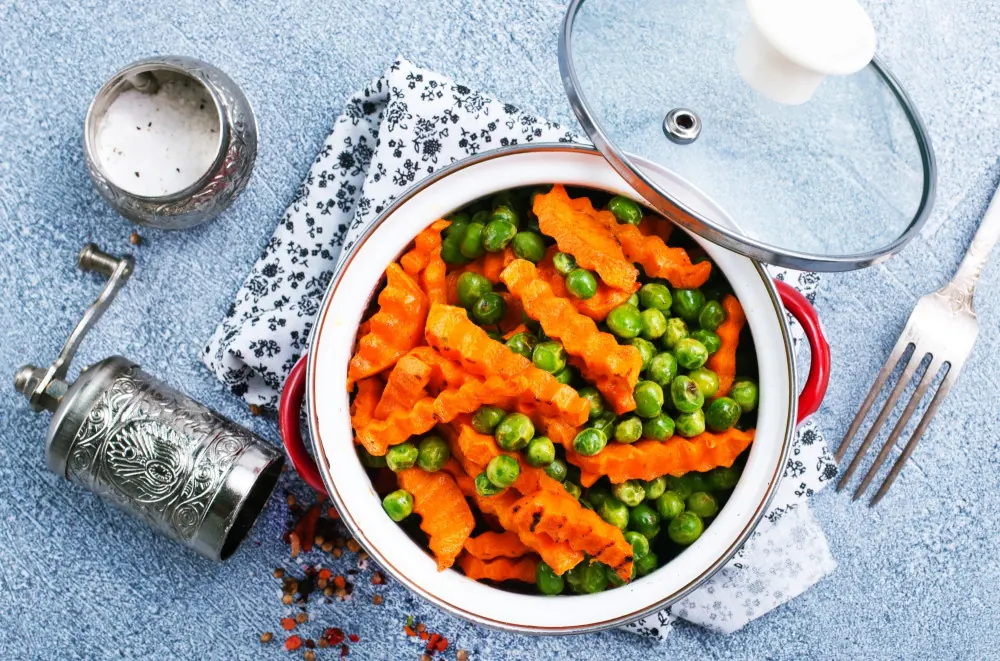
Peas: Peas are a good source of vitamins A, K, and B, as well as minerals like iron, zinc, potassium, and magnesium. They are high in protein and fiber, which can benefit a dog’s muscle health and digestive system. However, it’s essential to feed peas in moderation, as they also contain purines, which can be harmful to dogs with kidney problems.
Carrots: Carrots are renowned for their high vitamin A content, crucial for maintaining good vision, immune function, and skin health. They are also low in calories and high in fiber, making them an excellent snack for dogs, especially those needing to manage their weight. Chewing raw carrots can also help improve dental health by minimizing plaque buildup.
How to Safely Introduce Peas and Carrots into Your Dog’s Diet
When introducing any new food into your dog’s diet, it is crucial to do so gradually to avoid digestive upset. Start with small amounts and observe your pet for any adverse reactions, such as allergies or gastrointestinal issues. Here are some tips for safely incorporating peas and carrots into your dog’s meals:
- Fresh and Cooked Options: Both peas and carrots can be served raw or cooked. However, it’s advisable to steam or boil them without any added salt, sugar, or seasonings, which can be harmful to dogs.
- Proper Portions: Ensure that peas and carrots only make up a small percentage of your dog’s diet, ideally not exceeding 10%. The primary diet should still consist of high-quality dog food tailored to their nutritional needs.
- Avoid Canned Vegetables: Canned peas and carrots often contain added sodium and preservatives, which are not suitable for dogs. Always opt for fresh or frozen varieties.
Potential Risks and Considerations
While peas and carrots are generally safe for dogs, there are a few considerations to keep in mind:
- Purines in Peas: As mentioned, peas contain purines, which can lead to kidney issues in susceptible dogs. Owners of breeds prone to kidney problems should consult their vet before including peas in their diet.
- Choking Hazard: Particularly for small dogs, carrots can pose a choking hazard. It’s advisable to cut them into bite-sized pieces to prevent this risk.
- Allergic Reactions: Though rare, some dogs may be allergic to peas or carrots. Symptoms of an allergic reaction can include itching, swelling, and gastrointestinal upset. If you notice any of these signs, discontinue feeding these vegetables and consult a veterinarian.
Consultation with a Veterinarian
Before making any significant changes to your dog’s diet, including the introduction of new foods like peas and carrots, it’s advisable to consult with a veterinarian. They can provide personalized advice based on your dog’s health, breed, and nutritional needs, ensuring that any dietary adjustments contribute positively to their overall well-being.
Summary
Peas and carrots can be a healthy addition to a dog’s diet when introduced properly and fed in moderation. They offer numerous nutritional benefits, including vitamins, minerals, and fiber. However, pet owners should be mindful of the potential risks and consult with a veterinarian to ensure these vegetables are a suitable choice for their specific dog. By doing so, you can enrich your dog’s diet with the confidence that you are supporting their health and happiness.
By incorporating peas and carrots into your dog’s diet with care and consideration, you can provide them with additional nutritional benefits while ensuring their diet remains balanced and appropriate for their needs.


