Can Dogs Eat Snow Peas?
If you are unsure whether a food is safe, the ASPCA’s list of people foods to avoid feeding pets is a reliable starting point, and a veterinarian or poison-control professional should be called if a pet already ate something questionable.
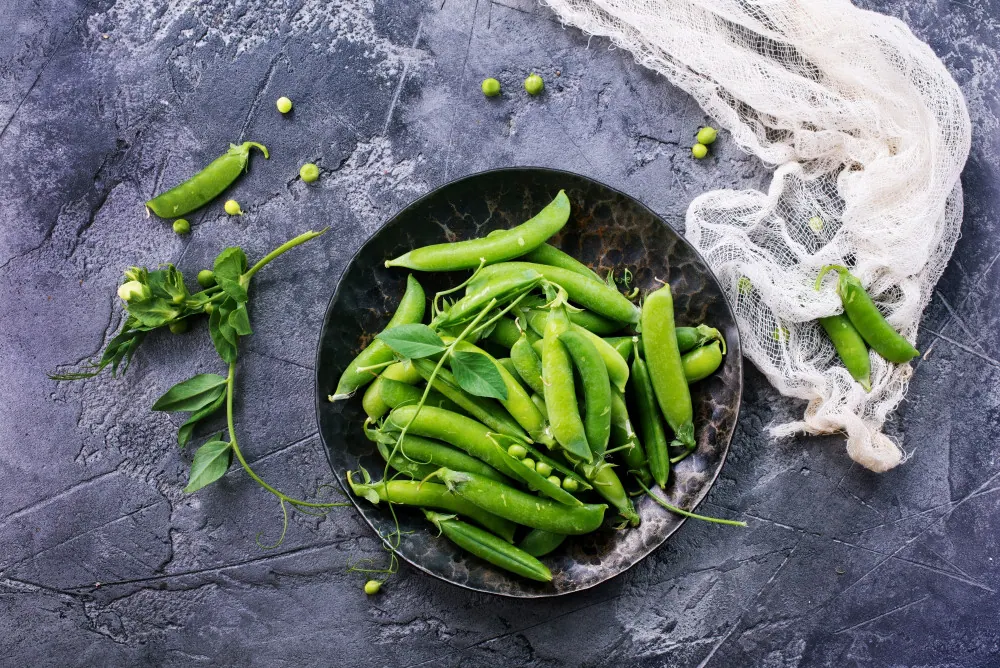
Snow peas are a crunchy, sweet vegetable that many humans enjoy, both raw and cooked. Given their nutritional benefits for humans, it’s natural for pet owners to wonder if they can share this healthy snack with their canine companions. There are several types of peas, including green peas, sugar snap peas, and snow peas. Most are safe for dogs. This article explores whether dogs can eat snow peas, focusing on their safety, health benefits, and how to properly include them in your dog’s diet.
Can Dogs Eat Snow Peas?
The short answer is yes, dogs can eat snow peas in moderation. Snow peas are not toxic to dogs, making them a safe and occasionally healthy treat. However, like with any human food, they should be introduced to your dog’s diet cautiously and in moderation to avoid any potential health issues.
Nutritional Benefits of Snow Peas for Dogs
Snow peas are low in calories and high in fiber, making them a good snack option for dogs. They are also rich in vitamins A, K, and C, which can help support your dog’s immune system, vision, and blood clotting capabilities. The iron and potassium found in snow peas can also contribute to a healthy diet, supporting muscle function and overall health.
| Nutrient | Amount per 100g |
|---|---|
| Energy | 42 kcal |
| Protein | 2.8 g |
| Total Fat | 0.2 g |
| Carbohydrates | 7.55 g |
| Dietary Fiber | 2.6 g |
| Sugars | 4.0 g |
| Vitamin A | 108 IU |
| Vitamin C | 60 mg |
| Vitamin K | 25 μg |
| Folate (B9) | 42 μg |
| Calcium | 25 mg |
| Iron | 2.08 mg |
| Magnesium | 24 mg |
| Phosphorus | 53 mg |
| Potassium | 200 mg |
| Sodium | 4 mg |
| Zinc | 0.27 mg |
Potential Risks and Considerations
While snow peas are safe for dogs, there are a few considerations to keep in mind:
- Digestive Issues: The high fiber content in snow peas can cause digestive issues in some dogs, such as gas or diarrhea, especially if they eat too many. Start with a small amount to see how your dog reacts.
- Choking Hazard: For small dogs or those that tend to gulp their food without chewing properly, snow peas could pose a choking hazard. It’s best to cut them into smaller pieces to prevent this.
- Pesticides: Snow peas, like many vegetables, can be treated with pesticides that are harmful to dogs. Always wash them thoroughly or choose organic options to minimize this risk.
How to Safely Introduce Snow Peas to Your Dog’s Diet
Introducing snow peas, or any new food, to your dog’s diet should be done gradually. Here’s how to do it safely:
- Start Small: Begin with a small piece of snow pea to see how your dog reacts. Monitor for any signs of digestive upset or allergies.
- Raw or Cooked: Snow peas can be fed to dogs either raw or cooked. However, if you choose to cook them, avoid using any oils, spices, or seasonings that could be harmful to dogs.
- Monitor Your Dog: Keep an eye on your dog for a few hours after they eat snow peas for the first time. Look out for any adverse reactions, such as itching, gastrointestinal upset, or difficulty breathing, which could indicate an allergy.
- Moderation is Key: If your dog enjoys snow peas and doesn’t show any negative reactions, you can include them as an occasional treat. However, they should not make up a significant portion of your dog’s diet.
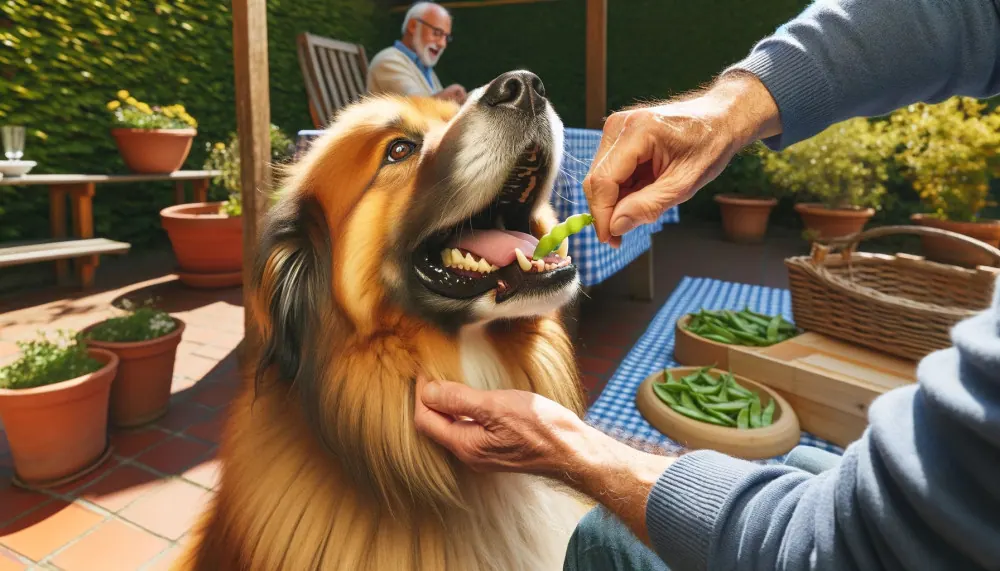
Snow peas can be a healthy, low-calorie treat for dogs, offering a variety of nutritional benefits. However, it’s important to introduce them to your dog’s diet with caution and in moderation to ensure they are a safe and enjoyable treat. Always wash them thoroughly and cut them into appropriate sizes to prevent choking, especially for smaller dogs. By following these guidelines, you can safely share the crunchy goodness of snow peas with your furry friend.
While dogs can safely enjoy snow peas, pet owners should always prioritize their pet’s overall diet and health needs. Consultation with a veterinarian can provide personalized advice and dietary recommendations, ensuring your dog receives a balanced diet suited to their individual health requirements. As with any treat, snow peas should be just one part of a well-rounded and nutritionally complete diet for your dog.


