Can Dogs Eat Tomatoes? Ripe Red Flesh Only, Never the Green Parts
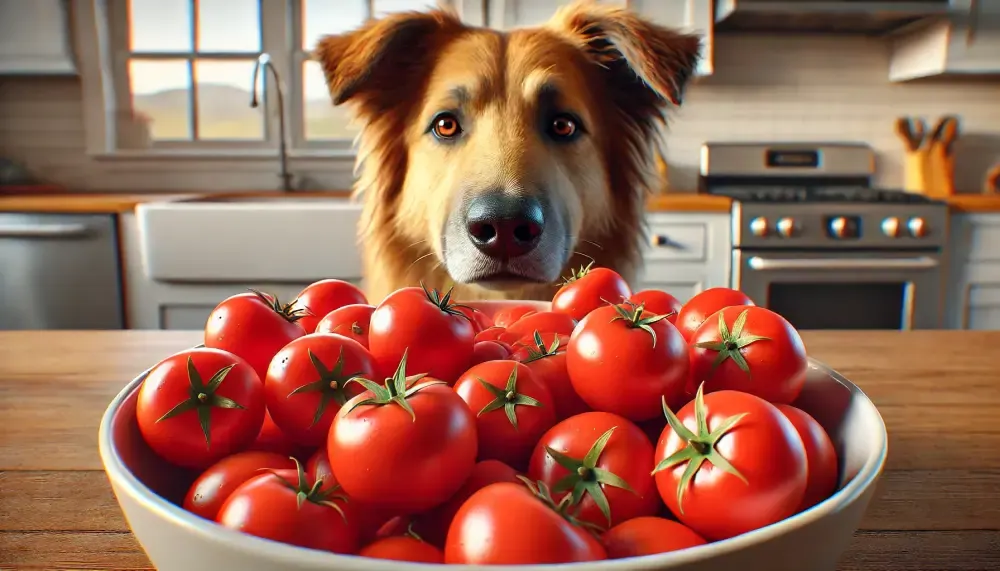
Ripe, red tomato flesh in a small, plain amount is generally acceptable for most healthy dogs. The green parts are the problem: stems, leaves, and unripe green tomatoes contain tomatine and should not be offered. Skip ketchup, pasta sauce, salsa, and seasoned tomato dishes, which often include onion, garlic, salt, or other extras. Tomato is a treat, not a vitamin supplement, and too much can upset the stomach.
If you are unsure whether a food is safe, the ASPCA’s list of people foods to avoid feeding pets is a reliable starting point, and a veterinarian or poison-control professional should be called if a pet already ate something questionable.
If you are comparing this with other extras, we also have a guide on Can Dogs Eat Peaches? Yes, but Never the Pit.
A measured best training treats is usually a simpler reward than table fruit. Keep meals as a complete food; see top dog food brands or wet vs dry dog food guide rather than building the bowl out of salad ingredients. For other vegetable extras, see our main-diet guides and the vegetable overview on this site.
Tomatoes are a popular ingredient in many human dishes, from salads to sauces. But as a responsible dog owner, you may wonder: can dogs eat tomatoes? The answer isn’t a simple yes or no—it’s important to understand which parts of a tomato are safe for dogs and how they should be served. In this article, we’ll explore everything you need to know about feeding tomatoes to your canine companion.
Are Tomatoes Safe for Dogs?
The good news is that ripe tomatoes in moderation are generally safe for dogs. However, there are a few precautions that every pet owner should take before sharing this fruit (yes, tomatoes are technically a fruit) with their dog.
The Solanine Factor
Tomatoes belong to the nightshade family, which includes plants like potatoes and eggplants. These plants contain a substance called solanine, a naturally occurring chemical that is toxic in large amounts. In tomatoes, solanine is primarily found in the stems, leaves, and unripe green tomatoes. This means that while fully ripe red tomatoes are generally safe, unripe tomatoes and other parts of the plant can pose a risk.
Key takeaway: Always remove the stems, leaves, and ensure that the tomatoes are fully ripe before offering them to your dog.
Potential Risks of Feeding Tomatoes to Dogs
While ripe tomatoes are safe in small amounts, there are a few risks associated with feeding them to dogs.
- Gastrointestinal Issues: Some dogs may experience stomach upset after eating tomatoes, especially if they are not used to eating fruits and vegetables. If your dog shows signs of gastrointestinal distress, such as diarrhea or vomiting, it’s best to avoid feeding tomatoes in the future.
- Allergic Reactions: Though rare, some dogs may be allergic to tomatoes. Watch for signs like itching, hives, or swelling after your dog consumes tomatoes.
- Tomato Sauce and Seasonings: Be cautious of feeding your dog anything made with tomatoes, like sauces, soups, or ketchup. These often contain added ingredients like salt, onions, garlic, and spices, which can be harmful to dogs.
Important Note: Never feed your dog tomato-based products that contain harmful additives or seasonings.
How to Safely Serve Tomatoes to Your Dog
If you decide to include tomatoes in your dog’s diet, follow these guidelines to ensure they are served safely:
- Ripe Tomatoes Only: As mentioned earlier, only feed your dog fully ripe, red tomatoes. Avoid any green parts of the tomato plant, including the fruit itself if it’s unripe.
- Cut into Small Pieces: Serve tomatoes in small, bite-sized pieces to prevent choking and to make it easier for your dog to digest.
- No Seasonings: Serve plain tomatoes without any added salt, oils, or seasonings.
- In Moderation: Tomatoes should only be an occasional treat. Too much can cause digestive upset, and a balanced dog diet should primarily consist of high-quality dog food that meets your pet’s nutritional needs.
Signs of Tomato Poisoning in Dogs
Though it’s rare for a dog to eat enough tomatoes to cause serious harm, it’s important to be aware of the signs of tomato poisoning. These symptoms may occur if your dog consumes unripe tomatoes, stems, leaves, or large quantities of ripe tomatoes:
- Excessive drooling
- Vomiting or diarrhea
- Lethargy
- Weakness or loss of coordination
- Tremors or seizures
If you notice any of these symptoms after your dog consumes tomatoes, contact your veterinarian immediately for advice.
What to Do If Your Dog Eats Unripe Tomatoes or Plant Parts
Accidents happen, and dogs are naturally curious creatures. If your dog consumes unripe tomatoes or parts of the tomato plant, it’s important to act quickly:
- Assess the Situation: Determine how much of the plant your dog has eaten. If it’s a small amount, your dog may only experience mild symptoms. However, a larger quantity could cause more serious reactions.
- Contact Your Vet: If you suspect your dog has ingested any toxic parts of the tomato plant, call your veterinarian immediately. They can provide guidance on the best course of action, which may include inducing vomiting or administering activated charcoal to absorb the toxins.
- Monitor for Symptoms: Keep a close eye on your dog for signs of poisoning, especially if your dog has consumed a larger amount of plant material.
Can Dogs Eat Cooked Tomatoes?
Cooked tomatoes are generally safe for dogs, as long as they don’t contain harmful additives like garlic or onions. However, cooked tomatoes lose some of their nutritional value, so they aren’t necessarily more beneficial than raw tomatoes.
If you’re considering adding cooked tomatoes to your dog’s diet, make sure they are plain and unseasoned. Steamed or lightly boiled tomatoes can be mixed into your dog’s food as an occasional treat, but they should not be a primary food source.
In moderation, ripe tomatoes can be a healthy snack for dogs. They are packed with vitamins and antioxidants that can benefit your dog’s health. However, it’s crucial to avoid feeding your dog any unripe tomatoes, stems, or leaves due to the potential for solanine poisoning.
As with any new food, introduce tomatoes gradually into your dog’s diet and watch for any signs of digestive upset or allergic reactions. If in doubt, consult your veterinarian before offering tomatoes to your dog. By following these guidelines, you can safely incorporate tomatoes into your pet’s diet, providing them with a tasty and nutritious treat.


