Can Dogs Eat Wet Cat Food? A Stolen Bite Is Usually Fine, Not a Daily Diet
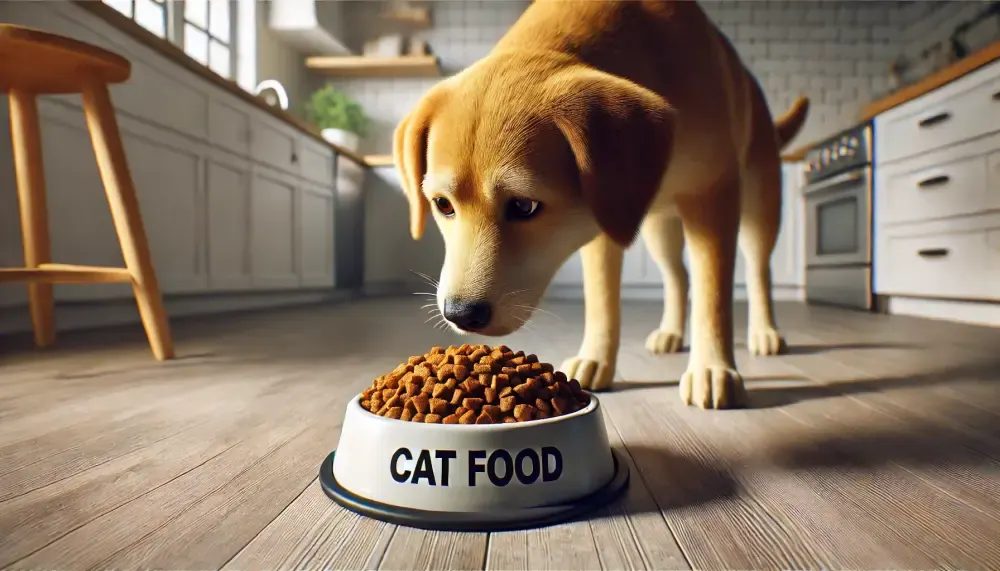
A dog that steals a bite of wet cat food is usually fine. Cat food is not a balanced everyday diet for dogs. It is typically higher in protein and fat than many dog foods, which can mean extra calories, an upset stomach, or, over time, a nutrient balance that was not designed for a dog. If your dog is getting into the cat’s bowl daily, change the feeding setup rather than deciding the dog now has a dual diet.
If you are unsure whether a food is safe, the ASPCA’s list of people foods to avoid feeding pets is a reliable starting point, and a veterinarian or poison-control professional should be called if a pet already ate something questionable.
If you are comparing this with other extras, we also have a guide on Can Dogs Eat Cat Food? A Stolen Bite Is Usually Fine, Not a Daily Diet.
Keep the everyday meals a complete dog food; see wet vs dry dog food guide and top dog food brands. Elevated bowls can help some cats eat out of a dog’s reach, but they are a management trick, not a proven health upgrade, and bowl height is not a settled way to prevent bloat in dogs. If a large amount of cat food was eaten, or the dog is vomiting or has pancreatitis risk, call your veterinarian.
As an Amazon Associate, we earn from qualifying purchases.
Dogs and cats have very different dietary needs, but many pet owners wonder: can dogs eat wet cat food? After all, if you have both a dog and a cat in your home, it might be tempting to offer your dog a taste of your cat’s food, especially if your dog seems to show interest. While feeding your dog wet cat food occasionally might not seem like a big deal, it’s important to understand the differences between the two and how it can affect your dog’s health in the long run.
Nutritional Differences Between Dogs and Cats
Dogs and cats are two different species with distinct nutritional requirements. Cats are obligate carnivores, meaning their diet relies heavily on meat. In contrast, dogs are omnivores, meaning they can eat both plant-based and animal-based foods. These dietary differences are reflected in the way cat and dog foods are formulated.
- Cat Food is Rich in Protein: Cat food, especially wet cat food, tends to be higher in protein content because cats require a lot more protein than dogs to maintain their health. A high-protein diet can be difficult for some dogs to digest, especially if they have sensitive stomachs or are not accustomed to such a rich source of protein.
- Taurine in Cat Food: Taurine is an essential amino acid for cats that is not produced in their bodies, so cat food is specifically formulated to include this nutrient. While taurine is not harmful to dogs, they produce it naturally, so it’s not necessary in their diet. Feeding a dog too much taurine isn’t harmful, but it does point to how differently their nutritional needs are structured.
- Fat Content: Cat food often contains higher levels of fat compared to dog food. While some fat is beneficial for dogs, too much can lead to obesity, pancreatitis, and other health issues.
Nutritional Differences Between Dogs and Cats
| Nutrient | Dogs | Cats |
|---|---|---|
| Protein | Moderate protein needs | High protein needs (obligate carnivores) |
| Taurine | Not required (produced naturally) | Required in diet (cannot produce) |
| Fat Content | Lower fat content required | Higher fat content |
| Diet Type | Omnivores (plant and meat-based) | Obligate carnivores (meat-based only) |
Potential Risks of Feeding Wet Cat Food to Dogs
Occasional consumption of wet cat food is unlikely to cause immediate harm to your dog. However, feeding it regularly can lead to several health issues. Some of the key risks include:
- Digestive Upset: Dogs can develop an upset stomach from the higher fat and protein content in cat food. This may result in vomiting, diarrhea, or gastrointestinal distress, especially if your dog is not used to such a rich diet.
- Weight Gain: Wet cat food is often calorie-dense due to its high-fat content. If your dog consumes cat food regularly, the additional calories can lead to unhealthy weight gain, which can contribute to long-term health issues such as joint problems, diabetes, and heart disease.
- Nutritional Imbalance: Since cat food is designed to meet the nutritional needs of cats, it doesn’t provide the balanced nutrients that dogs require. Over time, feeding your dog a diet heavy in cat food can result in nutrient deficiencies or excesses, both of which can harm your dog’s health.
When is Wet Cat Food Safe for Dogs?
If your dog sneaks a bite of wet cat food occasionally, there’s no need to panic. A small amount of cat food is not toxic to dogs, and most healthy dogs can tolerate it without any major issues. However, it’s important to monitor your dog for signs of discomfort or digestive upset, such as vomiting or diarrhea, after they consume it.
It’s best to keep cat food and dog food separate, offering each pet the diet specifically designed for them. If you’re ever in doubt, consult with your veterinarian about your dog’s diet and whether feeding them wet cat food is a safe occasional treat.
What To Do If Your Dog Eats Cat Food Regularly
If you find that your dog is consistently getting into the cat’s food, it’s important to take steps to prevent this from happening. This can include:
- Separating Feeding Areas: Keep your dog and cat’s feeding areas separate, and if necessary, feed them in different rooms. Some pet owners use baby gates or pet doors to allow their cat access to food while keeping the dog out.
- Use Elevated Food Bowls: If your dog is larger and your cat is small, using elevated feeding bowls for the cat can help prevent the dog from reaching the food. Alternatively, placing the cat’s food on a counter or a higher surface may deter your dog from trying to sneak bites.
- Automatic Feeders: There are automatic feeders designed to only open for pets wearing a specific collar. This could be a great solution if you need to control access to the food, ensuring that only your cat can eat from the feeder.
See top-rated Elevated Food Bowls on Amazon
Safer Alternatives to Wet Cat Food
If your dog enjoys the taste and texture of wet food, there are many dog-safe alternatives available on the market. Wet dog food is formulated to meet the nutritional needs of dogs, providing a balanced diet with appropriate levels of protein, fat, and other essential nutrients. Additionally, there are various flavors of wet dog food to satisfy even the pickiest eaters.
If you’re ever concerned about what to feed your dog or how to introduce new foods into their diet, consult your veterinarian. They can guide you toward the best choices for your dog’s health, ensuring they receive the nutrition they need to thrive.
Final Thoughts
While dogs can technically eat wet cat food, it is not ideal for them due to the differences in their nutritional requirements. Occasional consumption is unlikely to cause harm, but feeding it regularly can lead to digestive issues, weight gain, and nutrient imbalances. It’s always best to stick to foods specifically designed for your dog, ensuring that their diet supports their health and wellbeing.
By keeping the feeding areas separate and providing your dog with the right wet dog food options, you can ensure that both your dog and cat get the proper nutrition they need without any complications.