Can Dogs Eat Cat Food? A Stolen Bite Is Usually Fine, Not a Daily Diet
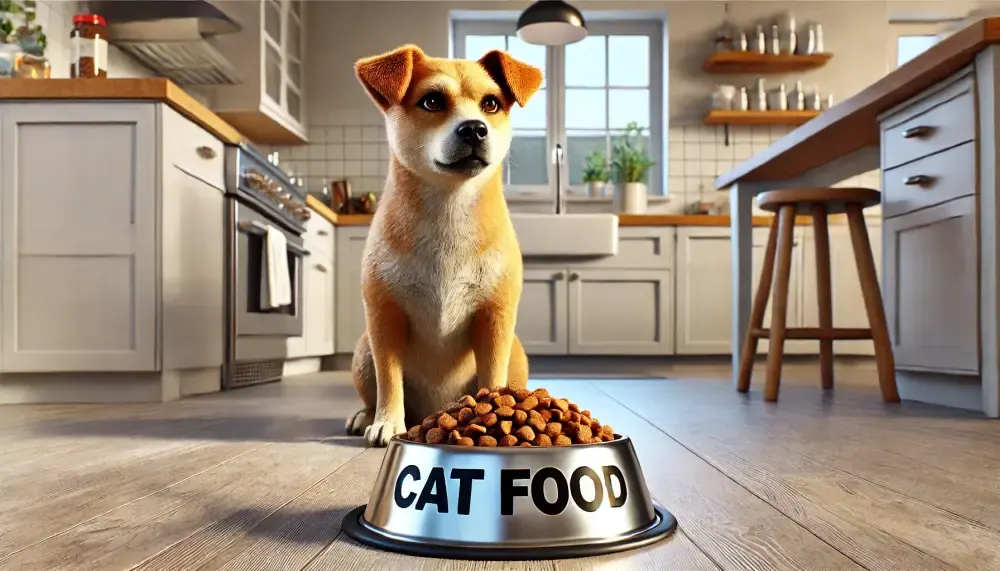
A dog that steals a bite of cat food is usually fine. Cat food is not a balanced everyday diet for dogs. It is typically higher in protein and fat than many dog foods, which can mean extra calories, an upset stomach, or, over time, a nutrient balance that was not designed for a dog. If this happens daily, change the feeding setup rather than deciding the dog now shares the cat’s meals. A cat-only feeding station or a bowl placed out of the dog’s reach is a management fix, not a reason to keep offering cat food on purpose.
Cat food is not a complete diet for dogs. Look for a complete-and-balanced statement as explained in the FDA guidance on complete and balanced pet food and AAFCO’s consumer guide to understanding pet food.
If you are comparing this with other extras, we also have a guide on Can Dogs Eat Wet Cat Food? A Stolen Bite Is Usually Fine, Not a Daily Diet.
Keep regular meals as complete dog food; see wet vs dry dog food guide, top dog food brands, and, if needed, our note on high-protein dog food. If a large amount was eaten, or the dog is vomiting or has pancreatitis risk, call your veterinarian.
As an Amazon Associate, we earn from qualifying purchases.
It’s not uncommon for dog owners to wonder whether their furry companions can munch on cat food. After all, dogs can be curious creatures, and many might find themselves sniffing around the cat’s bowl. But is it safe for dogs to eat cat food? This question often arises in households with both cats and dogs. While it might seem harmless, there are some important factors to consider when deciding whether to allow your dog to consume cat food.
In this article, we’ll explore the differences between cat and dog food, the potential risks of feeding cat food to dogs, and what you should do if your dog has been indulging in feline meals.
The Nutritional Differences Between Cat Food and Dog Food
At first glance, cat and dog food may appear similar—they both contain proteins, fats, and other essential nutrients for pets. However, dogs and cats have vastly different dietary requirements.
Cats are obligate carnivores, which means they rely heavily on a meat-based diet. Their bodies require higher levels of protein, certain amino acids like taurine, and specific vitamins that are not as crucial for dogs. On the other hand, dogs are omnivores and can thrive on a more balanced diet that includes proteins, carbohydrates, and fats. Their food is formulated with a wider variety of ingredients to meet their nutritional needs.
Cat food tends to have:
- Higher protein content
- Increased fat levels
- Essential amino acids like taurine, which are not necessary in a dog’s diet
This nutritional distinction is key to understanding why feeding cat food to dogs on a regular basis is not a good idea.
Why Cat Food Isn’t Ideal for Dogs
While it might not harm your dog if they occasionally sneak a few bites from the cat’s bowl, consistently feeding cat food to your dog can lead to problems. Here’s why:
- Too Much Protein
Dogs don’t require the same high levels of protein as cats. A diet too rich in protein could strain a dog’s kidneys and liver over time, especially for older dogs or those with pre-existing health issues. - High Fat Content
Cat food contains more fat than dog food to cater to a cat’s higher energy needs. For dogs, especially those that are less active or prone to weight gain, a high-fat diet can lead to obesity, pancreatitis, or digestive upset. - Lack of Essential Nutrients
Cat food lacks certain nutrients that are important for a dog’s well-being, such as vitamins and minerals necessary for joint, bone, and heart health. Feeding a dog cat food regularly could result in malnutrition over time. - Digestive Issues
Dogs have different digestive systems than cats. The richness of cat food can cause gastrointestinal distress in dogs, leading to symptoms like vomiting, diarrhea, or gas.
What Happens if a Dog Eats Cat Food?
If your dog sneaks a bit of cat food now and then, there’s no need to panic. Most dogs can tolerate a small amount without any major issues. However, there are a few potential short-term effects to be aware of:
- Upset Stomach: The richness of cat food may cause temporary digestive discomfort.
- Vomiting or Diarrhea: Some dogs are more sensitive to dietary changes, and consuming cat food can lead to these symptoms.
- Increased Energy: Because of the higher fat content, you may notice a temporary increase in your dog’s energy levels.
In general, these symptoms should subside within a few hours to a day. However, if your dog consumes a large amount of cat food or continues to show signs of illness, it’s best to consult a veterinarian.
Long-Term Risks of Feeding Dogs Cat Food
If a dog regularly eats cat food, it can lead to more serious health problems over time. Some of the long-term risks include:
- Pancreatitis
This is an inflammation of the pancreas, often caused by consuming too much fat. Pancreatitis can be very painful for dogs and may require medical treatment. - Nutritional Imbalance
Feeding your dog cat food consistently will not provide them with the balanced nutrients they need. This can lead to deficiencies in vital nutrients like vitamin E, zinc, and omega-3 fatty acids, impacting their coat, skin, and overall health. - Weight Gain and Obesity
The higher fat content in cat food can easily lead to weight gain in dogs, especially those that are less active. Obesity increases the risk of other health issues, such as joint problems, diabetes, and heart disease.
How to Keep Your Dog Away from Cat Food
Dogs are known for their love of food, and many will take any opportunity to sneak a snack from the cat’s bowl. Here are a few tips to help keep your dog away from cat food:
- Feed Separately: Create separate feeding areas for your cat and dog. Place the cat’s bowl in an area where your dog can’t access it, such as on a countertop or in a different room.
- Use Feeding Times Wisely: If your cat doesn’t eat all of their food at once, consider feeding them at scheduled times and removing the food once they’re finished.
- Cat Feeding Stations: There are specialized feeding stations designed to keep cat food out of a dog’s reach. These can be a great solution for multi-pet households.
What to Do if Your Dog Eats Cat Food Regularly
If your dog has developed a habit of eating cat food, it’s important to take action. Gradually discourage this behavior by following the steps mentioned above. If you’re concerned that your dog may have been eating cat food for an extended period, it’s a good idea to schedule a veterinary checkup. A vet can assess your dog’s health, run necessary tests, and provide guidance on any dietary adjustments that may be needed.
Safe Alternatives to Cat Food for Dogs
If your dog seems particularly drawn to cat food, it might be the protein-rich taste they enjoy. Instead of letting them indulge in cat food, consider offering them high-protein dog treats or food formulated to satisfy their cravings without compromising their health.
There are also specialized dog foods available that cater to dogs with higher protein needs. Consult your vet about adjusting your dog’s diet if they seem unsatisfied with their current food.
In small amounts, cat food is unlikely to harm your dog, but it should not become a regular part of their diet. The higher levels of protein and fat, along with the lack of essential nutrients, make cat food unsuitable for dogs in the long term. To ensure your pet stays healthy and happy, stick to feeding them food specifically designed for their species. If you notice your dog sneaking cat food more often than you’d like, take proactive steps to manage the situation and consult your vet if needed.
Ultimately, feeding your dog the right diet is key to their overall well-being. By understanding the risks of cat food and choosing the appropriate meals, you can help your furry friend thrive!


