High-Protein Dog Food: Not Automatically Better
High-protein dog food is not automatically better, and more protein is not a shortcut to muscle or a longer life. Protein needs depend on life stage, activity, and health, including kidney or liver disease, where a veterinarian may recommend a specific amount. A typical complete adult food already supplies protein; “high protein” on a bag is often marketing. Too much of a very rich food can also mean extra calories and loose stool.
Look for a complete-and-balanced statement as explained in the FDA guidance on complete and balanced pet food and AAFCO’s consumer guide to understanding pet food. The WSAVA Global Nutrition Guidelines are a useful higher-level reference when you are choosing a food.
If you are shopping, start with a complete diet for your dog’s life stage; see top dog food brands and wet vs dry dog food guide. Working or very active dogs may do well on a higher-protein complete food, but that is a fit question, not a rule that every pet needs the highest number on the shelf.
As an Amazon Associate, we earn from qualifying purchases.
In the quest for optimal canine health and vitality, the focus on a dog’s diet is paramount. Among the various dietary considerations, the role of protein emerges as a critical factor. High protein dog food not only supports muscle development but also plays a vital role in the overall health and wellbeing of our furry friends. This comprehensive guide delves into the benefits of high protein diets for dogs, explores the best protein sources, and offers practical advice for pet owners looking to make the best nutritional choices for their canine companions.
The Importance of Protein in a Dog’s Diet
Proteins, composed of amino acids, are the building blocks of life. They play a crucial role in building and repairing tissues, making hormones and enzymes, and supporting immune function. For dogs, protein is especially important for muscle maintenance, growth, and repair. High protein diets can also contribute to a healthier coat, skin, and nails, underscoring the protein’s significance beyond muscle health.
Choosing the Right Protein Sources
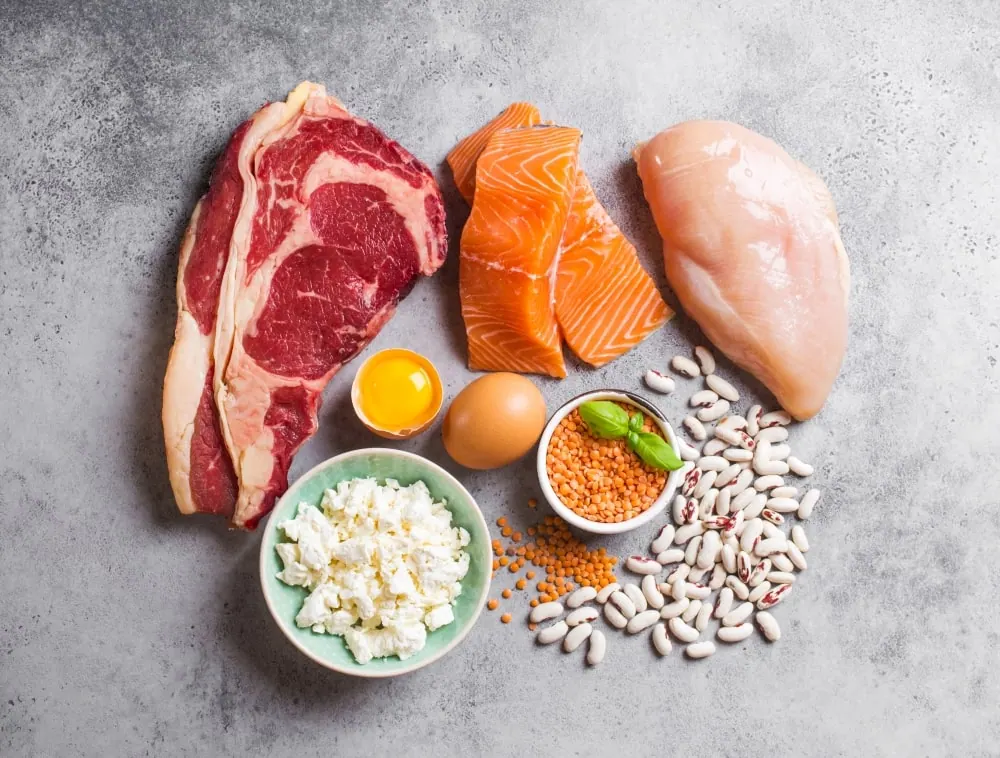
Not all proteins are created equal. The quality of protein in dog food varies significantly depending on the source. Here are some top protein sources for dogs:
- Meat and Poultry: Chicken, beef, lamb, and turkey are excellent sources of high-quality protein.
- Fish: Salmon, tuna, and sardines are not only rich in protein but also omega-3 fatty acids, which are beneficial for a dog’s coat and skin health.
- Eggs: Highly digestible and packed with nutrients, eggs are a great protein source for dogs.
- Plant-based Proteins: While dogs are primarily carnivorous, some plant-based proteins like peas and lentils can complement animal proteins in their diet.
See top-rated high protein dog food on Amazon
Deciphering Dog Food Labels
When selecting high protein dog food, it’s crucial to understand the information presented on the product labels. Look for foods where real meat or fish is listed as the first ingredient, indicating it’s the primary protein source. Pay attention to the guaranteed analysis, which shows the minimum percentage of protein in the food. However, remember that more protein is not always better. The ideal protein content varies based on a dog’s age, activity level, and health status.
Customizing Your Dog’s Protein Intake
Customization is key when it comes to feeding your dog a high protein diet. Here are factors to consider:
- Age: Puppies and younger dogs require more protein for growth, while senior dogs may need less to avoid kidney strain.
- Activity Level: Active and working dogs benefit from higher protein levels to support their energy needs and muscle recovery.
- Health Issues: Dogs with certain health conditions may require adjusted protein levels. Always consult with a veterinarian when managing health issues through diet.
Transitioning to High Protein Dog Food
If you decide to switch your dog to a high protein diet, it’s important to transition slowly to avoid digestive upset. Gradually mix the new food with the old over a period of 7-10 days, increasing the proportion of new food daily. Monitor your dog for any signs of digestive discomfort or allergies during this transition.
High protein dog food can significantly impact a dog’s health, supporting everything from muscle maintenance to energy levels and overall vitality. Choosing the right protein sources and tailoring the diet to your dog’s specific needs are crucial steps in providing optimal nutrition. As with any dietary change, consultation with a veterinarian ensures that your dog’s nutritional requirements are met without compromising their health.
By focusing on high-quality protein sources and understanding the needs of your canine companion, pet owners can ensure their dogs lead healthy, happy, and active lives.


