Can Dogs Have Bee Pollen?
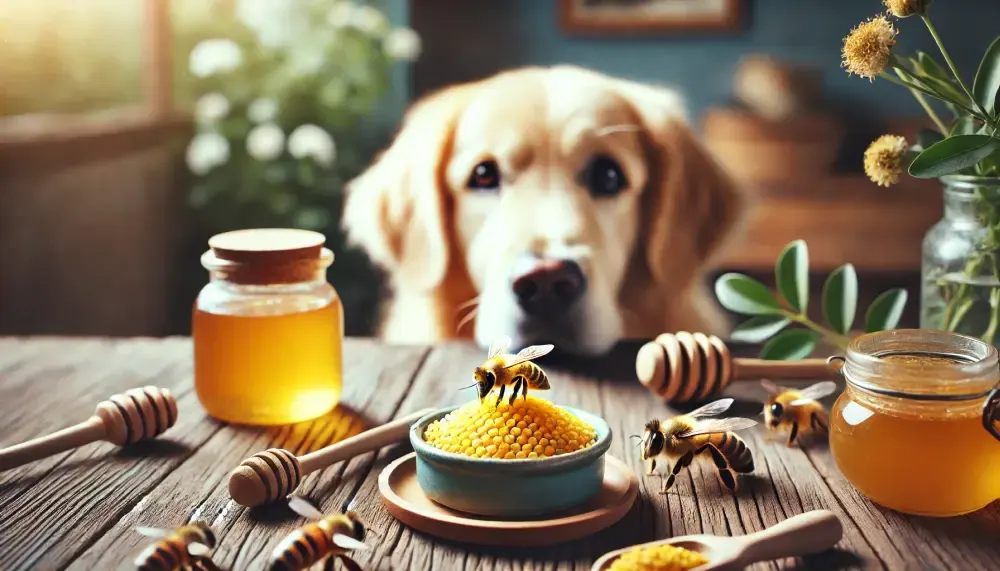
As more dog owners explore natural supplements and remedies for their pets, bee pollen has emerged as a potential addition to their dogs’ diets. But can dogs have bee pollen, and if so, is it safe? The answer is yes—dogs can safely consume bee pollen in moderation, and it may even provide several health benefits. However, there are some precautions you should be aware of before introducing bee pollen to your dog’s diet.
As an Amazon Associate, we earn from qualifying purchases.
What Is Bee Pollen?
Bee pollen is a mixture of flower pollen, nectar, enzymes, honey, wax, and bee secretions. Collected by bees as they pollinate flowers, it is packed with a variety of nutrients, including vitamins, minerals, proteins, lipids, and fatty acids. Many people use bee pollen as a natural supplement due to its potential health benefits for boosting immunity, energy, and combating allergies.
The Benefits of Bee Pollen for Dogs
Bee pollen may offer a variety of health benefits for dogs, making it an appealing natural supplement. Here are some of the potential advantages:
1. Boosts the Immune System
Bee pollen contains antioxidants, vitamins, and minerals that may help enhance your dog’s immune system. This can make them less susceptible to infections, illnesses, and other health issues. Dogs with weakened immune systems or those prone to allergies may benefit from bee pollen’s immune-boosting properties.
2. Supports Digestive Health
Bee pollen is rich in digestive enzymes that can help improve your dog’s digestion and nutrient absorption. Dogs with sensitive stomachs or those suffering from digestive issues like constipation or diarrhea might see improvements after regular consumption.
3. Increases Energy and Vitality
The high protein content of bee pollen makes it a great energy booster for active dogs. Bee pollen provides essential amino acids that contribute to better muscle health, strength, and stamina. If your dog participates in agility training, hiking, or other high-energy activities, bee pollen might help enhance their overall performance.
4. Acts as a Natural Allergy Relief
One of the most significant benefits of bee pollen is its potential to alleviate allergy symptoms in dogs. Bee pollen contains small amounts of the allergens that cause seasonal allergies, which can help desensitize your dog’s immune system and reduce reactions to airborne allergens like pollen, grass, and dust mites.
See top-rated bee pollen for dogs on Amazon
If you are unsure whether a food is safe, the ASPCA’s list of people foods to avoid feeding pets is a reliable starting point, and a veterinarian or poison-control professional should be called if a pet already ate something questionable.
If you are comparing this with other extras, we also have a guide on Can Dogs Have Raw Chicken Feet? The Benefits and Risks Explained.
How to Safely Introduce Bee Pollen to Your Dog
Before adding bee pollen to your dog’s diet, it’s important to introduce it slowly and in small amounts to avoid any adverse reactions. Here’s how to do it:
- Start Small: Begin with a very small dose of bee pollen, especially if your dog has never had it before. A pinch of bee pollen powder can be mixed into their food.
- Monitor for Allergies: Watch your dog closely for any signs of allergic reactions, such as itching, swelling, or difficulty breathing. Bee pollen can trigger allergies in some dogs, especially those allergic to bees or pollen.
- Gradually Increase the Dose: If your dog tolerates the initial dose well, you can gradually increase the amount over time. A typical daily serving is ¼ teaspoon for small dogs and up to 1 teaspoon for larger dogs.
- Choose High-Quality Bee Pollen: Make sure to source bee pollen from reputable suppliers to ensure it is free from contaminants like pesticides or other harmful chemicals.
Potential Risks and Side Effects
While bee pollen is generally safe for dogs, there are a few risks and side effects to keep in mind:
1. Allergic Reactions
Some dogs may be allergic to bee pollen, particularly those with existing pollen allergies. Symptoms of an allergic reaction can include hives, swelling, itching, and in severe cases, anaphylactic shock. If you notice any signs of an allergic reaction, discontinue use and consult your veterinarian immediately.
2. Digestive Upset
Introducing any new supplement too quickly can cause digestive upset in dogs. Symptoms such as vomiting or diarrhea may occur if bee pollen is given in excessive amounts. This is why it’s crucial to start with a small dose and observe how your dog reacts.
3. Bee Pollen Sensitivity
Dogs with bee sting allergies or those that have had adverse reactions to bee products in the past should avoid bee pollen. While it contains trace amounts of bee proteins, it could trigger a similar allergic response.
How to Give Bee Pollen to Your Dog
There are several ways to incorporate bee pollen into your dog’s diet. It can be sprinkled directly onto their food or mixed into homemade treats. Some dog owners even use it as a topper for wet or dry food, adding a nutritional boost to each meal. Here are a few ideas:
- Sprinkle Over Food: Add a small pinch of bee pollen to your dog’s regular meals. The pollen granules or powder can be mixed in with kibble, wet food, or homemade meals.
- Blend into Treats: For a more exciting option, consider blending bee pollen into homemade dog treats. You can find various recipes online that use dog-safe ingredients like peanut butter, oats, and bananas.
- Mix with Coconut Oil: Mix a small amount of bee pollen with a spoonful of coconut oil for a tasty, healthy treat that your dog will love.
Consult Your Veterinarian
As with any new supplement or dietary addition, it’s always a good idea to consult your veterinarian before giving bee pollen to your dog. Your vet can help you determine if bee pollen is suitable for your dog’s specific health needs and advise on the appropriate dosage.
In conclusion, bee pollen can be a safe and beneficial supplement for dogs when introduced carefully and in moderation. Its potential health benefits, from boosting immunity to alleviating allergies, make it a worthwhile addition to your dog’s diet. Just be sure to monitor for any allergic reactions and consult your vet before starting this natural remedy.


