Cataracts in Dogs: Understanding, Identifying, and Treating Canine Vision Problems
We earn from qualifying Amazon purchases. It doesn't change what we recommend.
For a related health topic, see Lipoma in Dogs: Understanding Fatty Tumors in Canine Friends. That article is also not a substitute for a veterinary exam.
For general pet-health questions, the AVMA pet-owner resources are a reliable starting point, and your veterinarian should guide individual decisions.
For a related health topic, see Signs of Mastitis in Dogs: Identifying and Treating Canine Breast Inflammation. That article is also not a substitute for a veterinary exam.
Cataracts are a common eye condition in dogs that can significantly impact their vision and quality of life. Understanding the causes, symptoms, and treatment options for cataracts can help pet owners provide the best care for their furry companions.
What are Cataracts?
Cataracts are characterized by the clouding of the lens inside the eye, which leads to decreased vision. The lens, located behind the iris and pupil, focuses light onto the retina, allowing for clear vision. When cataracts form, the lens becomes opaque, hindering light from reaching the retina and causing vision impairment.
Causes of Cataracts in Dogs
Several factors can contribute to the development of cataracts in dogs, including:
- Genetics: Many dog breeds are predisposed to developing cataracts due to hereditary factors. Breeds such as Cocker Spaniels, Poodles, Siberian Huskies, and Golden Retrievers are particularly susceptible.
- Aging: Just like humans, dogs can develop cataracts as they age. This is known as senile cataracts, typically occurring in dogs over the age of seven.
- Diabetes: Diabetic dogs are at a higher risk of developing cataracts due to changes in the lens’ metabolism. Diabetic cataracts can develop rapidly, sometimes within a few weeks of a diabetes diagnosis.
- Trauma: Injury to the eye can lead to cataract formation. Trauma can cause inflammation, which affects the lens’ clarity.
- Nutritional Deficiencies: Inadequate nutrition, especially during puppyhood, can contribute to the development of cataracts. Proper diet is essential for maintaining overall eye health.
- Exposure to Toxins: Certain toxins and medications can cause cataracts as a side effect. It’s crucial to consult with a veterinarian before administering any new medications to your pet.
Symptoms of Cataracts in Dogs
Recognizing the symptoms of cataracts can help in early diagnosis and treatment. Common signs include:
- Cloudy or Bluish Eyes: A noticeable cloudiness or bluish tint in one or both eyes is the most apparent symptom of cataracts.
- Difficulty Seeing in Low Light: Dogs with cataracts may struggle to see in dim lighting, such as during dawn or dusk.
- Bumping into Objects: As vision diminishes, dogs may bump into furniture, walls, or other obstacles.
- Change in Eye Appearance: The affected eye may appear smaller or sunken compared to the healthy eye.
- Behavioral Changes: Dogs with cataracts might become more cautious, hesitant, or anxious, especially in unfamiliar environments.
Diagnosing Cataracts in Dogs
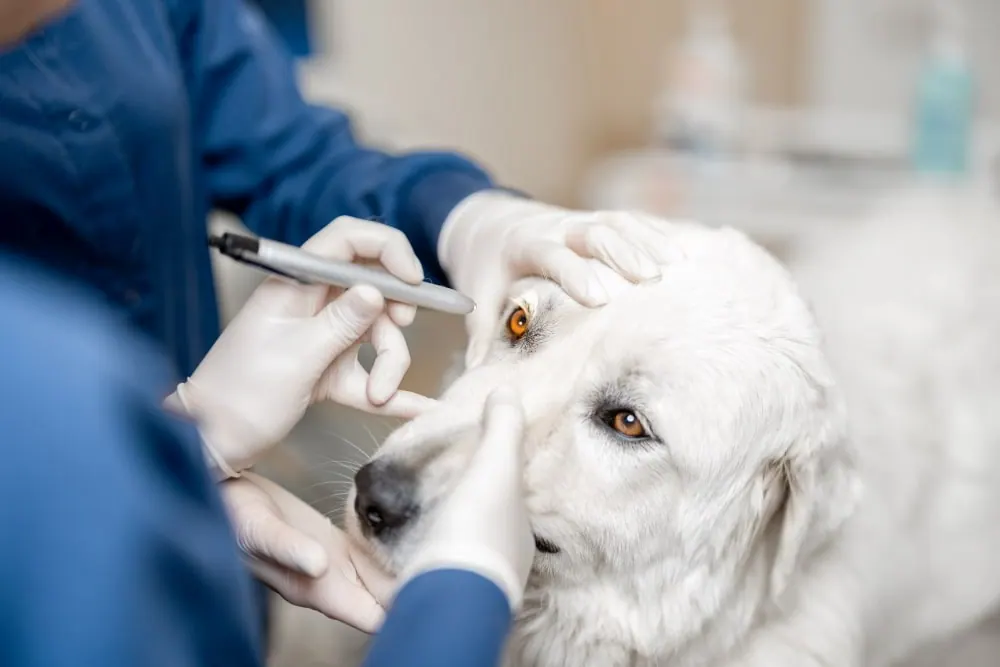
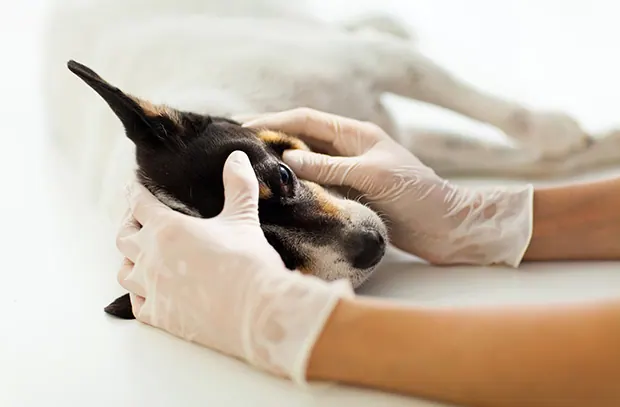
If you suspect your dog has cataracts, it’s essential to consult a veterinarian. The diagnostic process typically includes:
- Physical Examination: The veterinarian will conduct a thorough eye examination to assess the extent of cloudiness and other abnormalities.
- Ophthalmoscope Examination: This tool allows the vet to examine the inside of the eye, including the lens, retina, and optic nerve.
- Slit Lamp Biomicroscopy: This specialized microscope provides a detailed view of the eye’s structures, helping to identify the location and severity of the cataract.
- Electroretinography (ERG): ERG tests the electrical activity of the retina, determining if the retina is functioning correctly despite the presence of cataracts.
- Ultrasound: In cases where the cataract obscures the view of the retina, an ultrasound may be performed to check for any underlying retinal issues.
Treatment Options for Cataracts in Dogs
The treatment for cataracts depends on the severity and the dog’s overall health. Options include:
- Surgical Removal: The most effective treatment for cataracts is surgical removal. The procedure, known as phacoemulsification, involves using ultrasonic waves to break up the cloudy lens, which is then removed and replaced with an artificial lens. This surgery has a high success rate, especially when performed by a veterinary ophthalmologist.
- Medical Management: In cases where surgery is not an option, medical management may be used to control inflammation and secondary complications such as glaucoma. This can include eye drops or oral medications.
- Monitoring: For dogs with small cataracts that do not significantly impact vision, regular monitoring by a veterinarian may be sufficient. This involves routine eye exams to track the progression of the cataract.
- Managing Underlying Conditions: Treating underlying conditions, such as diabetes, can help prevent the progression of cataracts. Proper management of diabetes through diet, medication, and regular veterinary check-ups is crucial.
Preventing Cataracts in Dogs
While not all cataracts can be prevented, certain measures can reduce the risk:
- Regular Veterinary Check-ups: Routine eye exams can help detect cataracts early and monitor eye health.
- Balanced Diet: Providing a balanced diet with essential nutrients supports overall eye health. Supplements such as antioxidants may also be beneficial.
- Protective Eyewear: For dogs at risk of eye trauma, protective eyewear can shield the eyes from injury during activities like hiking or playing.
- Managing Health Conditions: Controlling diabetes and other health conditions can reduce the risk of cataracts.
Living with a Dog with Cataracts
Dogs with cataracts can still lead happy, fulfilling lives with proper care. Here are some tips for managing a dog with cataracts:
- Maintain a Consistent Environment: Keep furniture and objects in the same place to help your dog navigate the home more easily.
- Use Scent and Sound Cues: Use scented markers or bells on collars to help your dog identify people and objects.
- Provide Gentle Guidance: Use a gentle touch to guide your dog around obstacles.
- Regular Veterinary Visits: Ensure your dog receives regular check-ups to monitor eye health and address any changes promptly.
- Consider Vision Aids: Some dogs benefit from vision aids such as doggles or halo vests that help them avoid obstacles.
Cataracts in dogs can be a challenging condition, but with early detection and appropriate treatment, many dogs can maintain a good quality of life. Understanding the causes, symptoms, and treatment options allows pet owners to make informed decisions about their dog’s eye health. Regular veterinary care, a balanced diet, and a supportive environment are essential for managing cataracts and ensuring your furry friend stays happy and healthy.