Dog Fecal Incontinence: Causes, Symptoms, and Management
We earn from qualifying Amazon purchases. It doesn't change what we recommend.
Related reading: Causes and Symptoms of Mucus in Dog Stool.
This is general information, not a diagnosis. The Merck Veterinary Manual dog-owner pages are a reliable place to read more before you talk with your veterinarian.
Related reading: Sick Dog Symptoms.
Fecal incontinence in dogs can be a distressing condition for both the pet and its owner. This issue, which involves the inability of a dog to control its bowel movements, often leaves pet parents feeling helpless as they manage the resulting mess. While it can affect dogs of any age, it’s more commonly seen in elderly or injured dogs. Understanding the causes, symptoms, and treatment options can help you manage this condition effectively and provide relief to your furry companion.
What Is Fecal Incontinence?
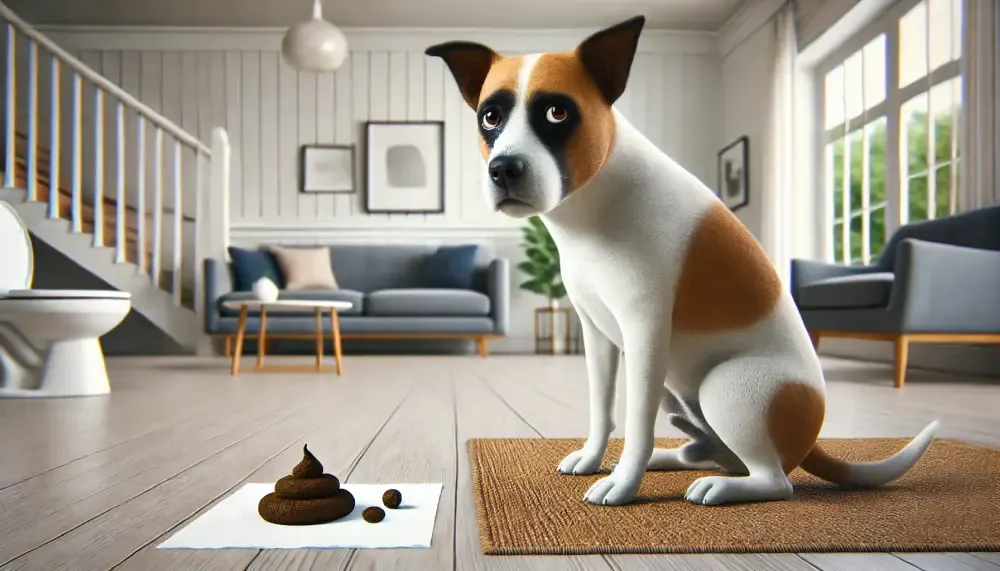
Fecal incontinence refers to the loss of control over the bowels, causing unintentional defecation. For dogs, this means they might pass stool without realizing it, sometimes even indoors or while they’re sleeping. This condition is often linked to underlying medical issues, so identifying and addressing the root cause is crucial.
Causes of Fecal Incontinence in Dogs
There are several potential causes of fecal incontinence in dogs, ranging from physical injuries to medical conditions. Below are some of the most common causes:
- Spinal Cord Injuries or Degenerative Disorders: Dogs with back problems or spinal cord injuries may experience nerve damage that affects their ability to control bowel movements. Degenerative myelopathy is a common spinal condition in older dogs, leading to gradual loss of function, including fecal control.
- Anal Sphincter Muscle Weakness: Over time, or due to surgery, the muscles that control the anal opening may weaken. This can prevent a dog from properly holding in stool until they are outside or in an appropriate area.
- Gastrointestinal Diseases: Conditions like colitis, inflammatory bowel disease (IBD), or infections can cause diarrhea and contribute to fecal incontinence. When a dog suffers from diarrhea, they may struggle to control their bowel movements, especially if the episodes are frequent or severe.
- Age-Related Decline: As dogs age, they may lose muscle tone, including in their pelvic region. This can lead to less effective control over defecation, resulting in fecal incontinence.
- Neurological Disorders: Conditions such as intervertebral disc disease (IVDD) or tumors affecting the nervous system can impair the signals between the brain and the bowels, leading to fecal incontinence.
- Congenital Defects: Some dogs are born with abnormalities in their rectum or anus, leading to chronic issues with bowel control from a young age.
Symptoms of Fecal Incontinence in Dogs
Identifying fecal incontinence is usually straightforward, but understanding the full range of symptoms can help you catch the issue early:
- Uncontrolled bowel movements: The most obvious symptom is the unintentional release of stool. This might occur during activities, while lying down, or even while the dog is asleep.
- Diarrhea or loose stools: Many dogs with fecal incontinence also experience diarrhea, making accidents more frequent.
- Scooting or licking the anus: If the dog’s anus is irritated due to frequent soiling, you may notice scooting behavior or excessive licking in that area.
- Stool in places where the dog rests: If your dog is leaving behind traces of stool where they sleep or sit, this is a clear sign of fecal incontinence.
Diagnosing the Condition
If you suspect your dog is suffering from fecal incontinence, a veterinary visit is crucial to identify the underlying cause. Your vet may perform a physical examination, ask for a detailed history, and recommend diagnostic tests such as X-rays, MRI scans, or stool analysis. These tests help in ruling out more serious issues like spinal injuries or gastrointestinal diseases.
Managing Fecal Incontinence in Dogs
While managing fecal incontinence can be challenging, there are several approaches to help improve your dog’s quality of life:
- Dietary Changes: Adjusting your dog’s diet can often help with fecal incontinence, especially if diarrhea is part of the problem. High-fiber diets or prescription gastrointestinal foods can help firm up stools and make bowel movements more regular and easier to control.
- Medication: If the condition is related to gastrointestinal issues, your vet may prescribe medications such as anti-diarrheal drugs or anti-inflammatories to manage symptoms. In cases of nerve damage or degenerative conditions, medications may help slow the progression or manage pain.
- Physical Therapy: For dogs with spinal or nerve-related issues, physical therapy, including strengthening exercises or acupuncture, can sometimes improve muscle tone and control over bowel movements.
- Surgical Intervention: In severe cases where medical management is ineffective, surgery may be an option. Surgery might focus on repairing nerve damage, spinal issues, or rectal abnormalities.
- Dog Diapers and Hygiene: For some pets, managing fecal incontinence long-term may involve using dog diapers, especially indoors or at night. Keeping your dog clean is important to prevent skin irritation or infections from soiling. Make sure to clean and dry their fur regularly.
- Behavioral Management: Training your dog to use a designated area for defecation, especially if they have some bowel control left, can help reduce accidents indoors. Crate training or using an indoor potty area may also assist in managing the situation.
Supporting Your Dog Emotionally
Fecal incontinence can be distressing for dogs, especially if they were previously house-trained. Be patient with your pet, offering plenty of reassurance and positive reinforcement. Avoid scolding them for accidents, as this can create confusion and anxiety, potentially worsening the problem. Instead, focus on providing a consistent routine, regular bathroom breaks, and emotional support during this challenging time.
Fecal incontinence in dogs, while concerning, can be managed with the right combination of treatments, lifestyle adjustments, and care. Consulting with a veterinarian for an accurate diagnosis and tailored management plan is crucial. While it may take time and patience, supporting your dog through this condition will improve their quality of life and strengthen the bond you share.